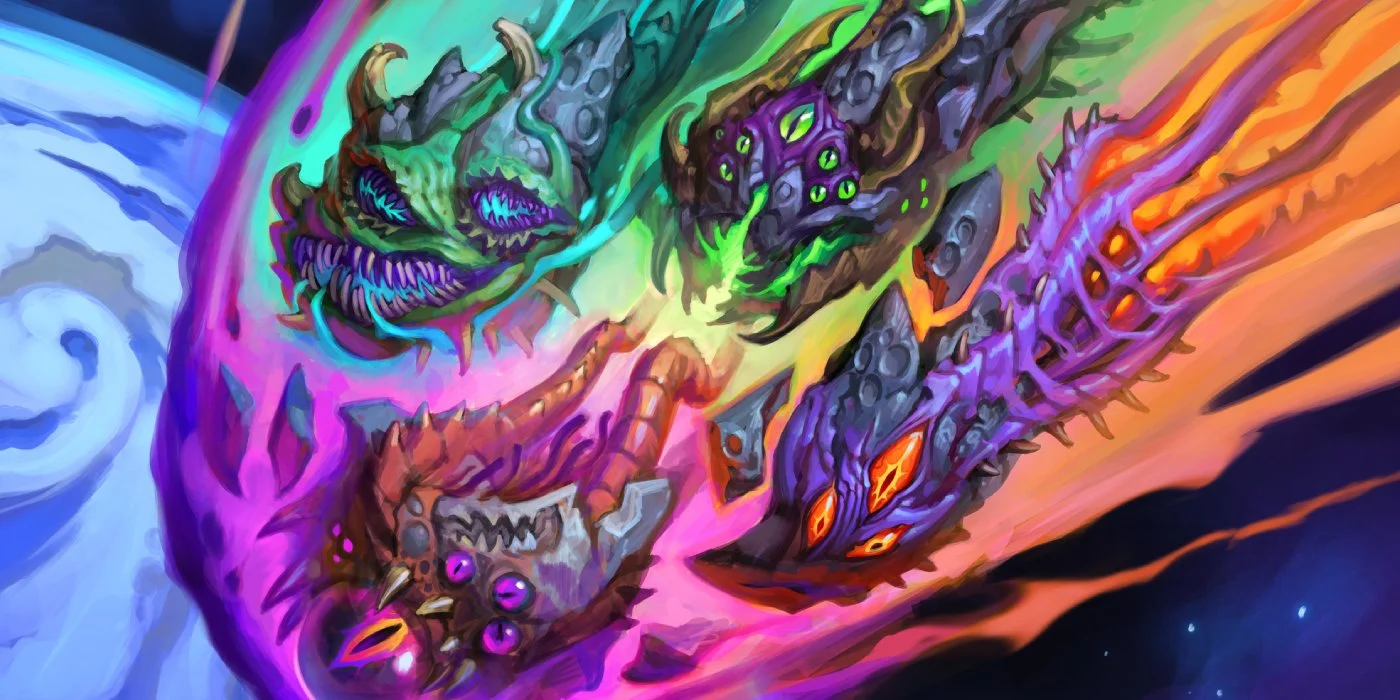
You’ve all felt the need for a particular card, but the cards just won’t cooperate! Then, a match later, the perfect card arrives just in time.
These swings are just one component of playing games. Randomness breaks our routine, makes us come up with new mixes, and requires us to make choices with less-than-complete information. The challenge for developers is making that uncertainty fun.
More Than a Dice Roll
Random Number Generation (RNG) helps determine outcomes like loot drops, card shuffling and critical hits. Its effects depend on where and how a game uses it.
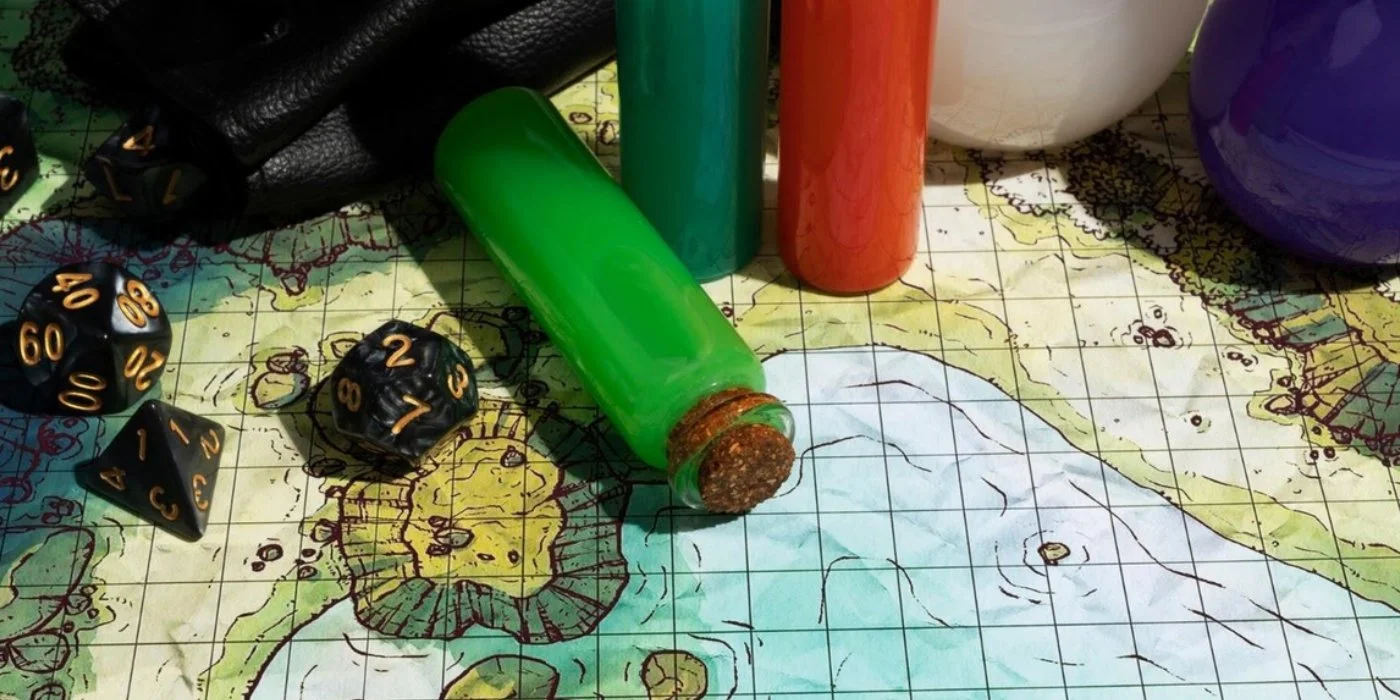
With a randomized reward, you have an unexpected element to consider. A random hit chance means committing to an action that might fail. One alters your options; the other affects the result of your action.
This difference matters. Players lacking certainty can still look for enough information to make sensible decisions.
Why Another Run Feels Different
Roguelikes, a variety of turn-based role-playing games, make a strong argument for randomness. Mega Crit’s Slay the Spire combines deckbuilding with procedurally generated levels that provide different challenges with the same set of rules.
It’s not like you can repeat one sequence all the time!
The same idea appears in Hades. Out of Games’ discussion of the game points out that the temporary powers, or boons, granted by the Olympians help distinguish each playthrough. A favorite weapon can feel completely different with a unique set of boons.
Part of the fun is finding something useful that you had not thought of. Randomness provides the ingredients; what you do with them is up to you. Even a weak reward can sometimes prove useful.
The Same Chance, Different Stakes
Casino games have similarly unpredictable results, but player control is also different. For someone looking at an online casino available in Ontario, understanding that difference matters more than recognizing familiar cards or colorful reward animations.
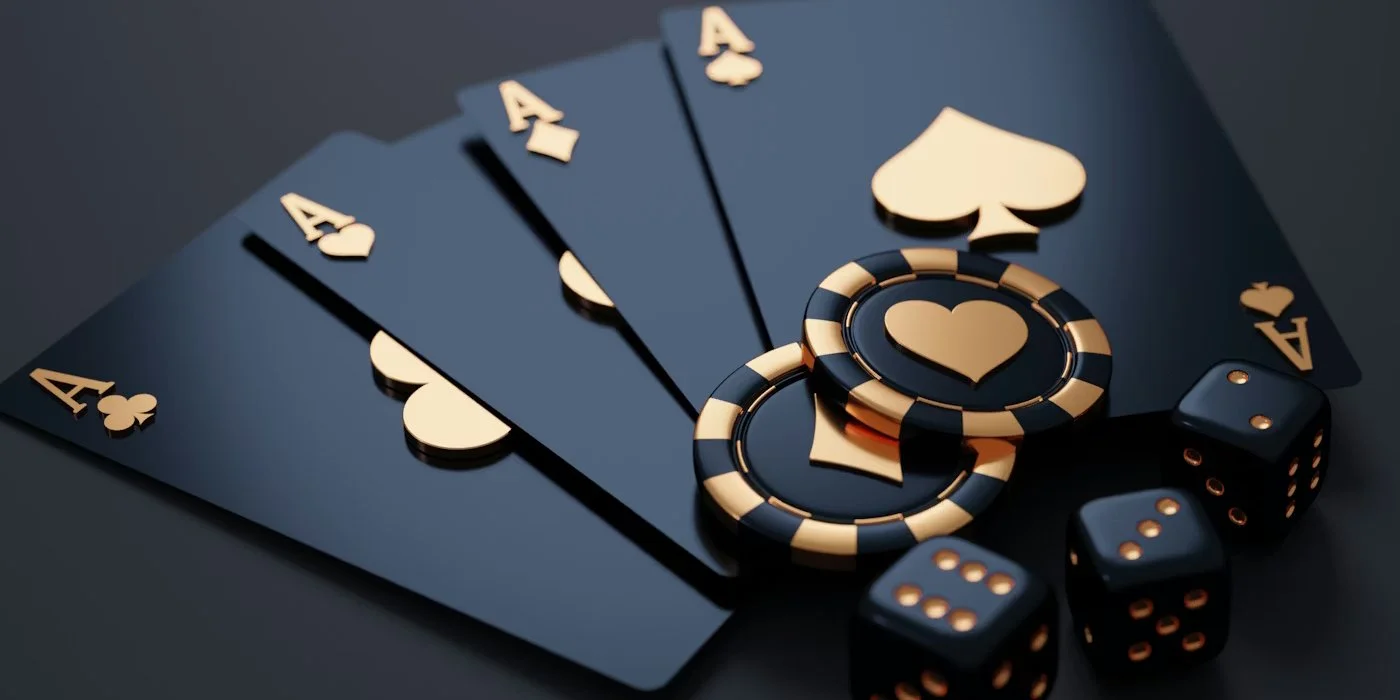
When playing a strategy game, you may be able to affect your chances by the way you build a deck. With independent slot spins, there is no increased probability of a win due to earlier losses. Knowing the patterns within the animations will not help in controlling the next result.
An identical presentation can cover very different systems. The real question is: do your decisions change the odds, the options, or just the amount of money you bet?
When Randomness Feels Fair
There is still a 10% chance of failure with a 90% chance of success. Similarly, an independent 10% chance of winning does not guarantee one will win once in 10 tries.
There are different clues given in games about those probabilities. Displaying the chances is nice, but giving players a way to manage uncertainty can be just as important. Backup plans and alternative rewards provide opportunities for recovery.
Where randomness is used most effectively, there is still room to tell a story, such as an unusual build that works, the Hail Mary that has no effect, or the story that no one thought was going to happen.
These moments are remembered because of the uncertainty and our response. A good random system provides us with surprises and a reason to continue thinking afterward.