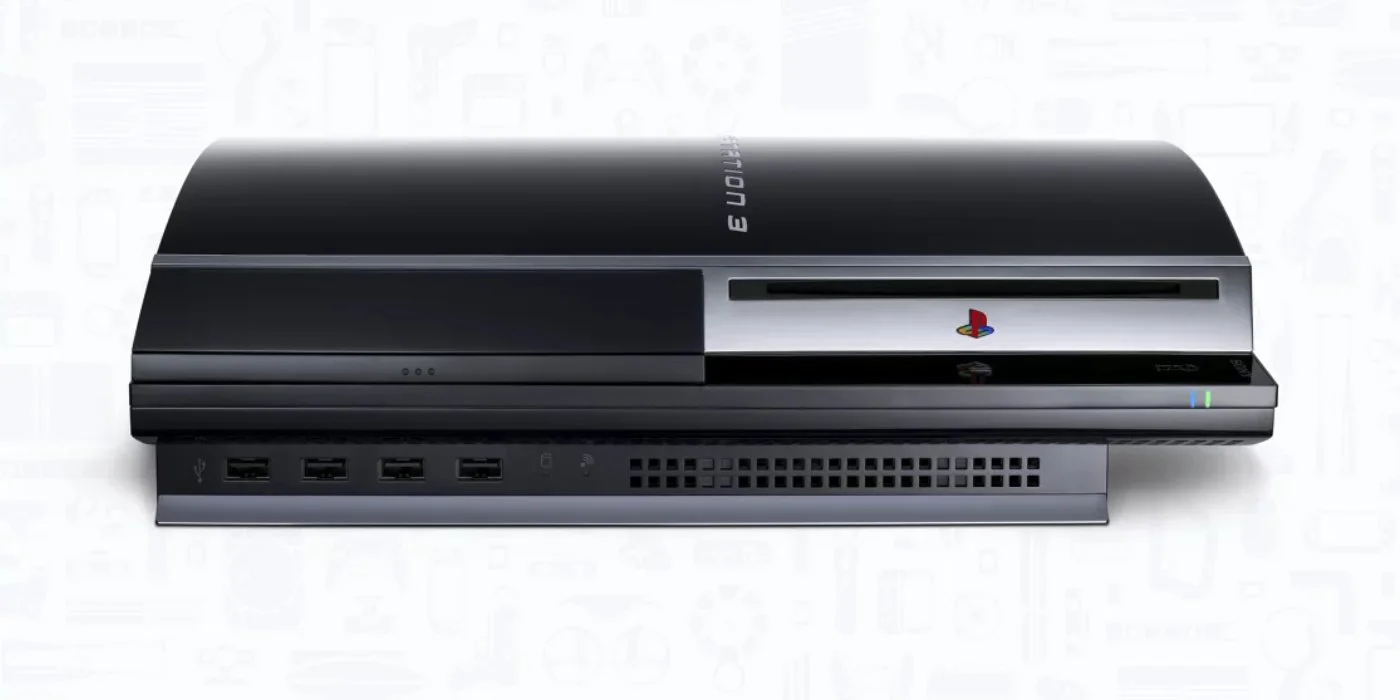
I apologize if I've made you feel old, but today marks the 20th anniversary of the PlayStation 3 in North America, releasing on November 17 2006.
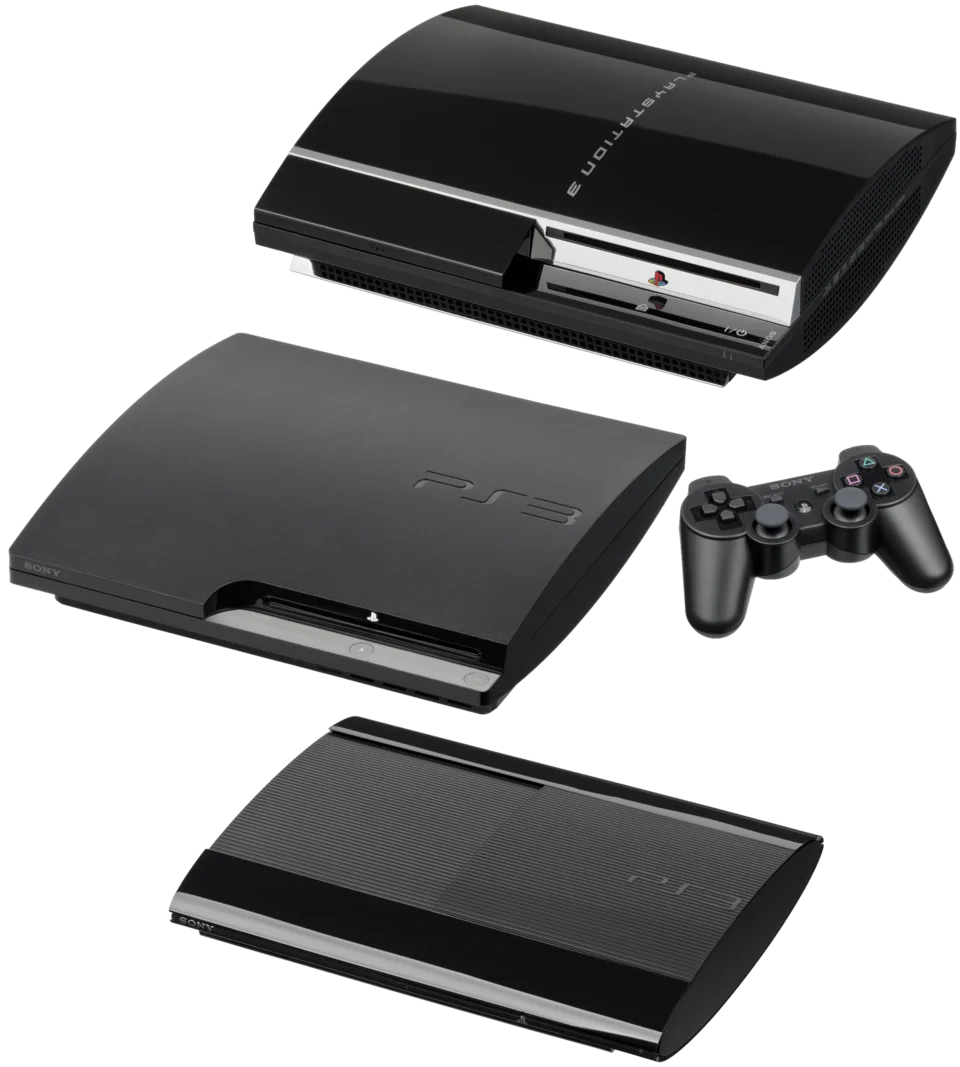
Top: Original PlayStation 3
Middle: PlayStation 3 Slim
Bottom: PlayStation 3 Super Slim
(Image credit: Wikipedia)
Little piece of trivia for you: The PlayStation 3 has the shortest lifespan of all mainline PlayStation consoles, with a lifespan of 9 years, 9 years and 11 months, and 10 years and 6 months in Europe, North America, and Japan respectively.
The PlayStation 3 has sold the fewest number of units of any of the mainline PlayStation consoles (and the only one that has sold under 100 million), but it did surpass the Xbox 360 in spite of the latter being sold a year earlier than the PlayStation 3. In spite of its discontinuation for 10 years and middling units sold in comparison to the other PlayStations, the PlayStation 3 is by all means a very successful and fondly remembered console. It's still the ninth-best selling console of all time.
In fact, Sony have continued to support it for two decades. The PlayStation Store for the PlayStation 3 is actually still active to this day, although it won't last too much longer, and in some countries, has already ended.
In spite of lacking a way online without external tools, the PlayStation 2 continued to sell incredibly well and was supported well through the PlayStation 3's lifespan. In fact, the amount of time between the PlayStation 3's introduction date and the PlayStation 2's discontinuation date is actually longer than the amount of time between the PlayStation 2's introduction date and the PlayStation 3's introduction date. I can't think of any other consoles that carry that distinction, but if you can name one, by all means, go ahead.
The PS3's Rough Start
It's well known by this point that the PlayStation 3 had an incredibly rocky start. When it launched, it was expensive, had very few quality games, and was difficult to design for. You think the "it has no games" meme is just a thing for the PlayStation 5? The PS3 was first to be on the victim on that. One big upside of the PlayStation 3 was its ability to play Blu-Ray discs though, and with Blu-Ray's eventually victory over the DVD, this would prove to be pretty significant.

God of War III (Image credit: IGDB)
It was also competing with the Xbox 360 at the time. Although the PlayStation 3 is more powerful on paper than the Xbox 360, the difficulty of using the PlayStation 3's infrastructure meant that Xbox 360 games generally made better use of the power it had available to it.
The slim model, launching in 2009, helped significantly for the console to recover and reduced development costs. What seemed like a misstep for Sony was suddenly turning around. A downside of the slim model however was that they could not play PlayStation 2 discs, whereas the original model could. All PlayStation 3 models however, can play PlayStation 1 discs, and can play PlayStation 2 games if they were downloaded digitally.
The recovery
The PlayStation 3 however remained defiant in the face of odds and persevered to become a console no one has forgotten (for positive reasons). As mentioned before, the slim model helped the PS3 considerably. It didn't make it easier to design games for, but it was cheaper to purchase and cheaper to develop, helping Sony recover a lot of the lost ground it had to make up.
Although not all PS3 models could play PS2 games, it still harbored much better backwards compatibility than the Xbox 360 did for the original Xbox. I'm not how much of a selling point this actually was, but I imagine this helped the console's success at least a little bit. Sony eventually realized that and launched the ability to download some PlayStation 2 games digitally. Only a small fraction of the library, but that small fraction would've carried hard for them. While this obviously wasn't the first time that old games would be buyable for modern (at the time) hardware, it gave access to games exclusively designed for other systems in a convenient digital format. This is arguably the era where digital game ownership really started taking off.

Uncharted 2: Drake's Deception (Image source: IGDB)
The PlayStation 3 was also a huge heavyweight player for console exclusives. Naughty Dog in particular with Uncharted: Drake's Fortune, which debuted in 2007, and was followed up by Uncharted 2: Among Thieves in 2009 and Uncharted 3: Drake's Deception in 2011. The slim model being released so close to Uncharted 2 actually helped big time, as the system was eventually bundled with that game, and the game went on to become a critically acclaimed masterpiece. In 2013, Naughty Dog also released The Last of Us, which once again, went on to become one of the most well-received video games of all time.
The PlayStation 3 went on to have an acclaimed set of exclusive games. Apart from Uncharted and The Last of Us, the system also gave us Metal Gear Solid 4, God of War III, Gran Turismo 5 and 6, and newcomers Demon Souls (which effectively created the souls-like genre, and was the predecessor to Dark Souls), Infamous, and LittleBigPlanet.
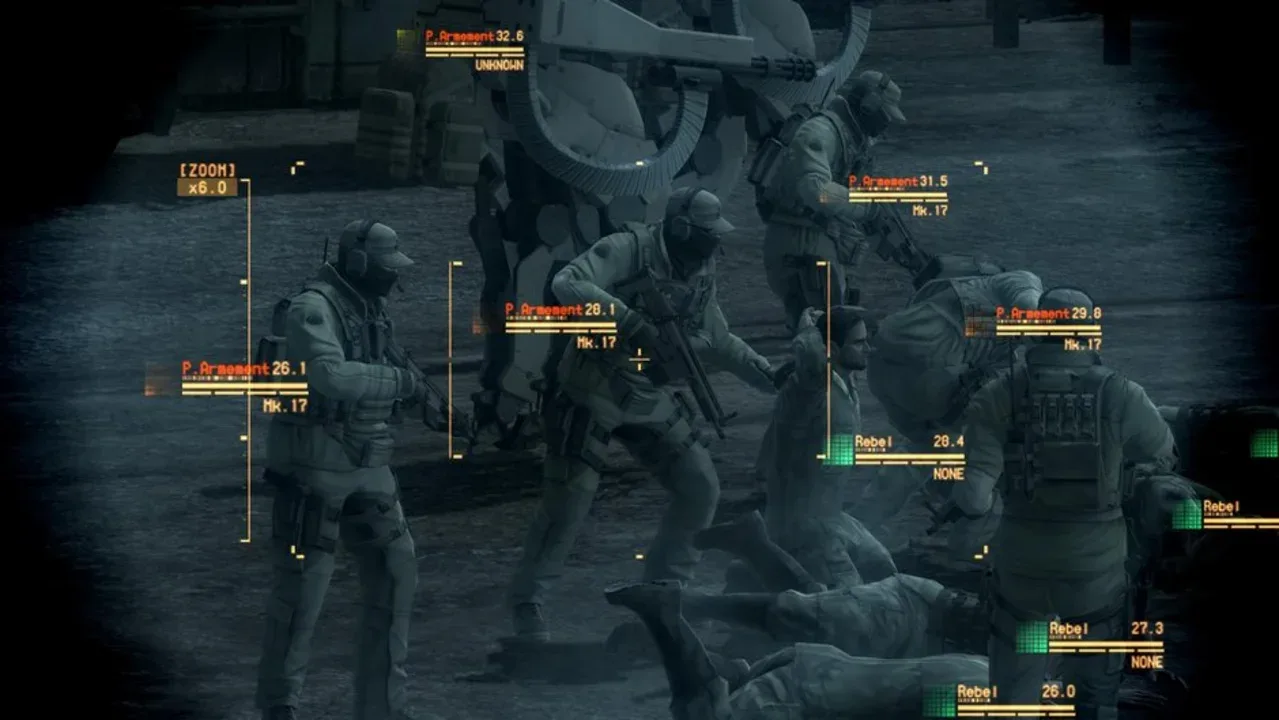
Metal Gear Solid 4: Guns of the Patriots (Image credit: IGDB)
This is in huge contrast to the Xbox 360. Although there were a few new experimental ideas that were well received like Crackdown and Alan Wake, the latter half of the Xbox 360's lifespan focused mostly on the loop of the "Big Three", which were Forza Motorsport, Halo, and newcomer Gears of War. Although all three of these franchises continued to put out great games, the reliance on using the same franchises to sell their console was eventually pointed out by the gaming community as a whole, and compared unfavorably to the PlayStation 3's ability to experiment with new IPs and support its existing ones at the same time, and the success the PS3 with its new experimental titles.
Not helping the Xbox 360 was also the infamous Red Ring of Death. While the original model PlayStation 3 was expensive, you could at least be sure that it worked, which was not exactly the case for the 360. My 360 never suffered this issue thankfully, but the infamous Red Ring of Death was an issue that plagued many players on the system.
After Finding Success
Unveiled at E9 2009 was "Project Natal", which eventually released in 2010 as the Kinect. I'll commend Xbox for trying to do something different than the Wii, unlike the PlayStation Move, which really was just a Wii remote with a PlayStation skin. That said, PlayStation got the last laugh on that front because the PlayStation Move had a longer lifespan and was generally said to be more reliable.


Both fantastic racing games, but one of them came with false advertising.
"Better with Kinect sensor"... on opposite day!
The PlayStation 3 was also the era that carved out Sony's place in the handheld market. The PSP (PlayStation Portable) had released released two years prior to the PS3, and while it didn't exactly give the Nintendo DS a run for its money, it still managed to find a place in the gaming market as a successful handheld system. In total, it sold nearly the same amount of units that the Game Boy Advance did. The PSP had a lot of external compatibility, including the ability to use a PS3 controller, and had a lot of cool features. I didn't actually have one myself, so I can't name all of them, but the PSP proved that Sony could compete with Nintendo in the handheld market too.
The PSP was followed up by the PS Vita in 2011 in Japan and 2012 in the rest of the world. Although it was a commercial failure compared to the PSP, it still managed to gain some sort of niche audience. In 2023, Sony released the PlayStation Portal, which is an accessory to the PlayStation 5 rather than its own console, but at least proved that Sony was still willing to give handheld gaming another go. The PSP was a success, so why not?
While Sony hasn't exactly dominated the handheld market at any point, it was at least able to say that it played with Nintendo 20 years earlier and hold its ground. That doesn't exactly compare to Xbox, which released its first handheld in 2025, the ROG Xbox Ally.
Overall, the PlayStation 3 is an example of how a less-than-stellar start is not automatically the end. It's a fantastic console that managed to bounce box and continue Sony's success in the console market.
What are your memories with the PlayStation 3? Let us know in the comments below.




Leave a Comment