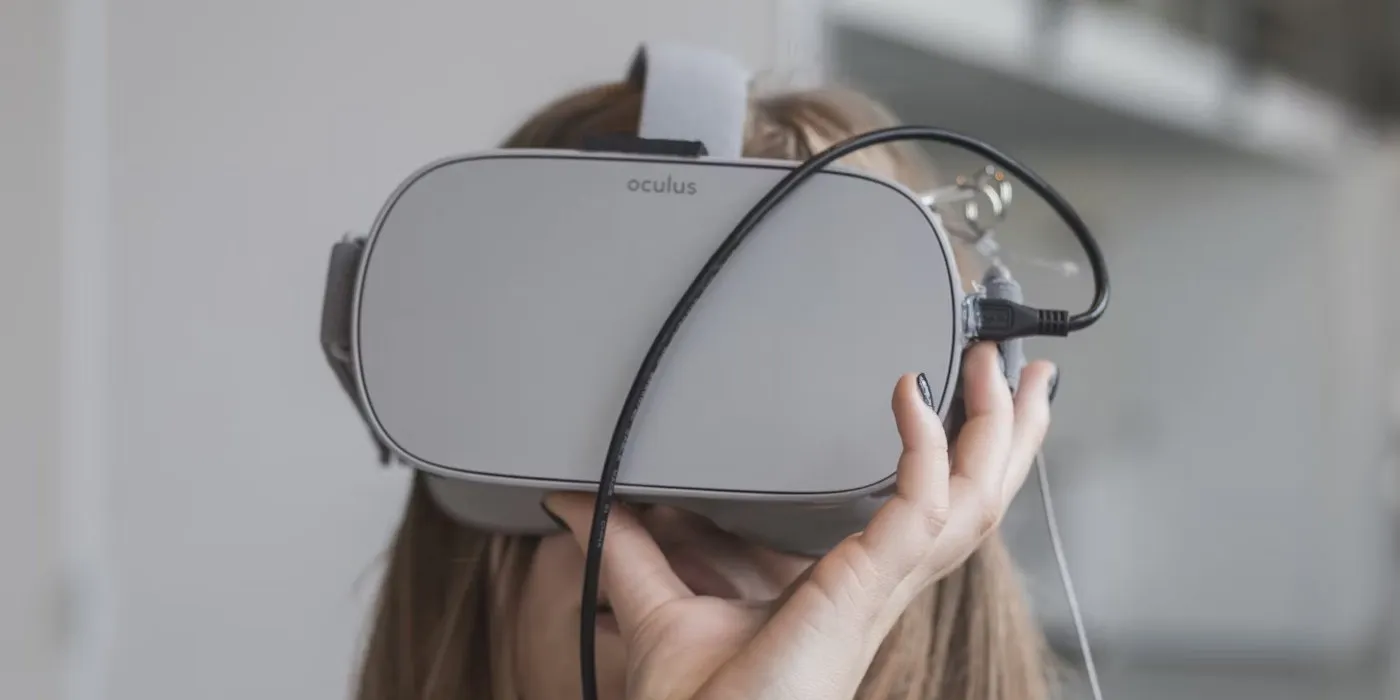
In the ever-evolving landscape of virtual environments, the integration of game mechanics—particularly reward systems—has become a pivotal strategy for enhancing user engagement. By borrowing elements from video games, designers create immersive experiences that captivate users and foster vibrant communities. This article delves into the trends in gamification, and the psychology behind in-game rewards, and offers actionable insights on applying these mechanics to build engaging virtual spaces.
The Rise of Gamification in Virtual Environments
Gamification involves incorporating game-like elements into non-gaming contexts to motivate and increase user activity. In virtual environments, this approach has gained traction as platforms seek innovative methods to retain users and encourage interaction. Elements such as points, badges, leaderboards, and challenges are commonly employed to create a sense of achievement and progression.
For instance, an online casino might offer welcome bonuses to new users, creating a sense of progress and encouraging repeat visits. The success of gamification lies in its ability to tap into intrinsic human desires for achievement, competition, and social interaction. By providing clear goals and immediate feedback, gamified systems can transform mundane tasks into engaging activities, thereby enhancing user satisfaction and loyalty.
Understanding the Psychology of In-Game Rewards
At the core of effective gamification is the reward system, designed to reinforce desired behaviors by offering incentives. These rewards can be categorized into extrinsic and intrinsic types:
Extrinsic Rewards: Tangible rewards such as virtual currency, items, or unlockable content that provide immediate gratification. These rewards serve as positive reinforcement, encouraging users to continue engaging with the platform.
Intrinsic Rewards: Intangible rewards that fulfill psychological needs, such as a sense of accomplishment, mastery, or social recognition. These rewards are crucial for sustaining long-term engagement, as they align with the user's internal motivations.
The effectiveness of reward systems is deeply rooted in psychological principles. The anticipation of rewards triggers the release of dopamine in the brain, associated with pleasure and motivation. This neurological response creates a feedback loop, where users are motivated to repeat behaviors that result in positive outcomes.
Implementing Reward Systems to Enhance Engagement
To effectively apply game mechanics in virtual environments, consider the following strategies:
Design Clear and Achievable Goals: Establish objectives that are challenging yet attainable to maintain user interest. Clear goals provide direction and a sense of purpose, motivating users to engage with the platform.
Provide Immediate and Constructive Feedback: Timely feedback helps users understand the consequences of their actions, allowing them to adjust their behavior and strive for improvement.
Incorporate a Variety of Rewards: Utilize a mix of extrinsic and intrinsic rewards to cater to different user motivations. For example, offering virtual goods for task completion alongside recognition in leaderboards can appeal to a broader audience.
Foster Social Interaction: Encourage community building through multiplayer features, team-based challenges, or social sharing options. Social interaction enhances engagement by fulfilling the human need for connection and belonging.
Ensure Balanced Difficulty Levels: Adjust the complexity of tasks to match user skill levels, preventing frustration from overly difficult challenges or boredom from tasks that are too easy. This balance is essential for maintaining the flow state, where users are fully immersed and focused.
Case Study: Gamification in eLearning Platforms
The application of game mechanics extends beyond entertainment, finding relevance in fields like education. eLearning platforms have adopted gamification to create interactive and rewarding experiences. By incorporating elements such as rewards, progression, and interactivity, these platforms aim to make learning more engaging and effective for users.
For example, implementing a reward system that offers incentives for completing modules or achieving high scores can motivate learners to engage more deeply with the content. This approach not only enhances knowledge retention but also fosters a love for learning by making the process enjoyable.
Boosting Engagement Through Game Mechanics
The integration of reward systems and game mechanics in virtual environments has proven to be a powerful tool for enhancing user engagement. By understanding the psychological underpinnings of motivation and implementing thoughtful, user-centered design strategies, creators can develop immersive experiences that resonate with users. As the digital landscape continues to evolve, the principles of gamification will undoubtedly play a crucial role in shaping the future of interactive platforms, fostering communities that are not only active but also deeply engaged.
Leave a Comment