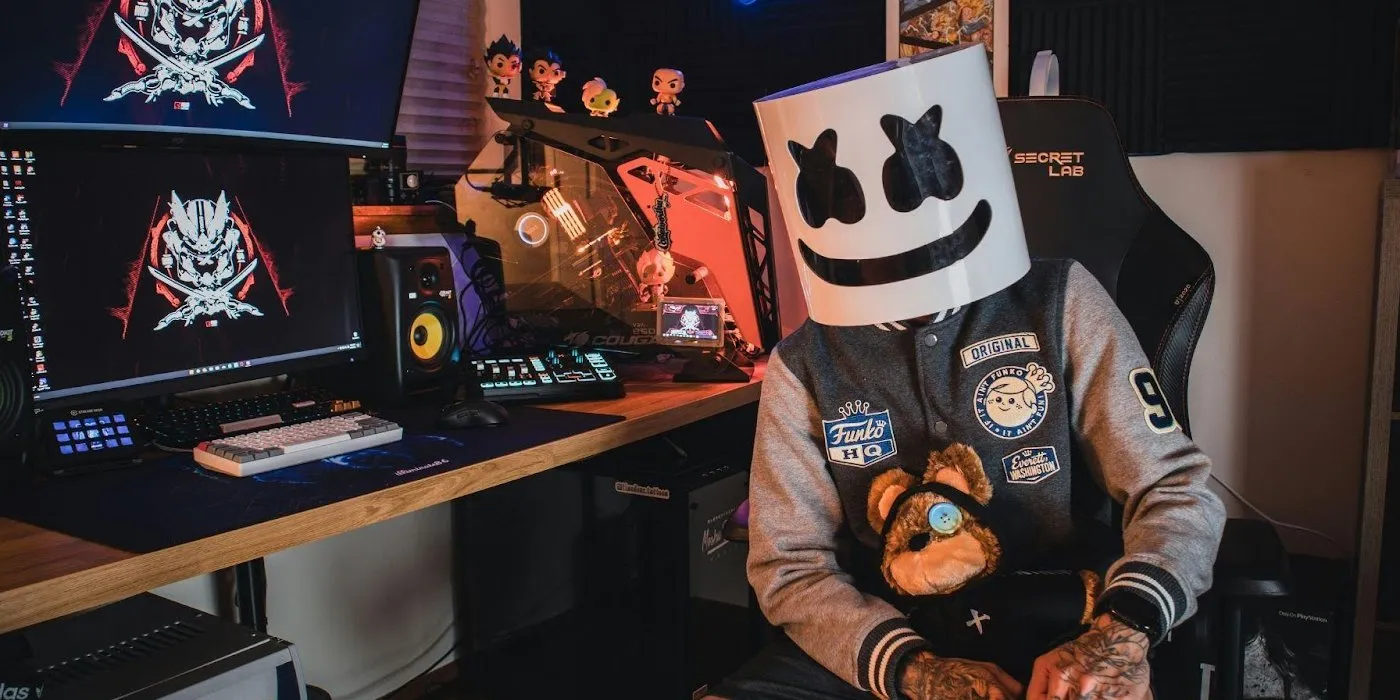
Gaming has evolved into a highly interactive digital activity. Communication between players is now integrated into the gaming experience. Text-based messaging, voice chat, and video communication enhance engagement levels. Players utilize these tools to form teams, execute strategies, and develop social interactions.
The progression of online multiplayer gaming has led to an increase in the necessity of communication, making it a core element of modern gaming structures. The role of communication in digital entertainment continues to expand, driven by advancements in connectivity, hardware, and software solutions. The ability to communicate seamlessly in real time has fundamentally altered how players interact within virtual environments.
Advancements in Communication Tools
The development of communication tools has contributed to the widespread adoption of chatting while gaming. Communication technologies are advancing in many ways, optimizing clarity, reducing latency, and increasing functionality.
Voice chat applications and in-game messaging systems enable seamless interaction. Third-party platforms such as Discord and TeamSpeak enhance gaming communication efficiency. AI-powered moderation ensures a more structured environment.
Additionally, Telegram casino games have grown immensely popular due to their generous rakeback bonuses and tournaments with large prize pools. Features like these also encourage gamers to be more social. Telegram-based iGaming platforms are at the forefront of this now as they naturally integrate gaming into their chat-based ecosystems. These advancements improve the overall user experience by combining messaging with interactive gaming elements.
Enhanced voice recognition, noise suppression, and real-time translation capabilities are also being introduced to gaming to refine communication efficiency. Innovations in cloud-based services allow gamers to maintain consistent interactions across multiple devices without disruption.
The Role of Communication in Team-Based Games
Team-based games necessitate structured communication. Players require real-time coordination to implement strategic plans. Games such as Call of Duty, Valorant, and League of Legends rely on voice and text chat systems. These communication methods provide the ability to relay tactical information regarding enemy positions and movement.
Without proper communication, teams experience decreased efficiency, leading to suboptimal performance. Effective interaction is an essential component of competitive multiplayer environments, enhancing cooperative gameplay experiences.
As competition within online gaming intensifies, teams that leverage structured and efficient communication gain a strategic advantage. Newer games incorporate smart communication overlays that highlight critical information visually, complementing traditional text and voice-based messaging systems.
Building Social Connections Through Gaming
Chatting while gaming serves as a mechanism for socialization. Players establish global connections by engaging with others in online gaming communities. The elimination of geographical barriers facilitates interaction between individuals of diverse backgrounds.
Friendships and partnerships often emerge through repeated online engagements. Gaming chat functions operate as a bridge for digital socialization, reinforcing player connectivity. The increased prevalence of persistent chat features within gaming ecosystems further strengthens community interactions.
Online forums, social media integration, and interactive voice channels create dynamic environments where players continuously engage with their peers. This fosters long-term relationships and builds dedicated gaming communities centered around shared interests.
The Influence of Streaming and Content Creation
Live streaming platforms incorporate chat functionalities, allowing real-time engagement between streamers and audiences. Twitch and YouTube Gaming offer live chat options where viewers interact with streamers during broadcasts. Communication in this context serves as an entertainment enhancement tool.
Streamers utilize chat to respond to audience queries, gather gameplay suggestions, and maintain interactive engagement. This system fosters viewer retention and increases audience participation, generating a more immersive entertainment experience.
Chat integration extends beyond simple messaging, incorporating donation alerts, subscriber-exclusive messages, and interactive overlays that allow viewers to influence in-game decisions. This evolution strengthens the relationship between content creators and their communities, increasing engagement and fostering brand loyalty.
The Psychological Benefits of Chatting While Gaming
Psychological benefits are associated with in-game communication. Gaming serves as a stress relief mechanism for numerous individuals. The ability to communicate with other players enhances emotional well-being. Voice and text-based interactions provide an avenue for socialization, reducing isolation.
Gaming communities frequently develop into support networks, wherein individuals discuss various topics and offer mutual encouragement. Some cases indicate that online gaming chat features have contributed positively to users' mental health through digital social support systems.
Studies even suggest that social gaming can provide a sense of belonging and reduce symptoms of anxiety and depression. The emergence of safe spaces within gaming platforms allows players to share their experiences, seek guidance, and engage in meaningful discussions beyond gameplay.
The Future of Chatting in Gaming
Future advancements in gaming communication will enhance interactive experiences. Virtual reality (VR) is integrating spatial audio technology, allowing for dynamic voice positioning. AI-driven chat moderation is being refined to regulate chat environments.
These improvements will contribute to increased immersion and accessibility within gaming communication frameworks. The progression of technology will continue to refine the way players interact in digital gaming spaces.
Cloud-based AI communication tools may enable real-time language translation and voice synthesis, allowing for seamless conversations between players worldwide. The introduction of biometric-based voice authentication could further personalize the gaming experience, ensuring secure and accurate communication.
The Role of AI in Gaming Communication
Artificial intelligence is increasingly influencing how players communicate during gaming sessions. AI-driven chatbots assist players by providing real-time support, answering queries, and delivering relevant game updates. AI-driven voice modulation allows players to customize their in-game voices for anonymity and entertainment purposes. Automated moderation tools analyze chat interactions to filter inappropriate content, ensuring a safer environment.
As AI continues to evolve, predictive text and voice assistance systems may enhance communication efficiency by suggesting optimal responses based on context. The integration of AI in gaming communication fosters a more personalized, secure, and immersive experience for players.
Conclusion
In conclusion, chatting while gaming has become a standardized component of digital gameplay environments. The integration of communication tools enhances cooperative gameplay, facilitates socialization, and contributes to competitive efficiency.
Advancements in gaming communication technology continue to evolve, improving engagement across multiple platforms. The future of gaming will likely involve continued innovation in chat functionalities, reinforcing its role as an essential element of the gaming experience.
Leave a Comment