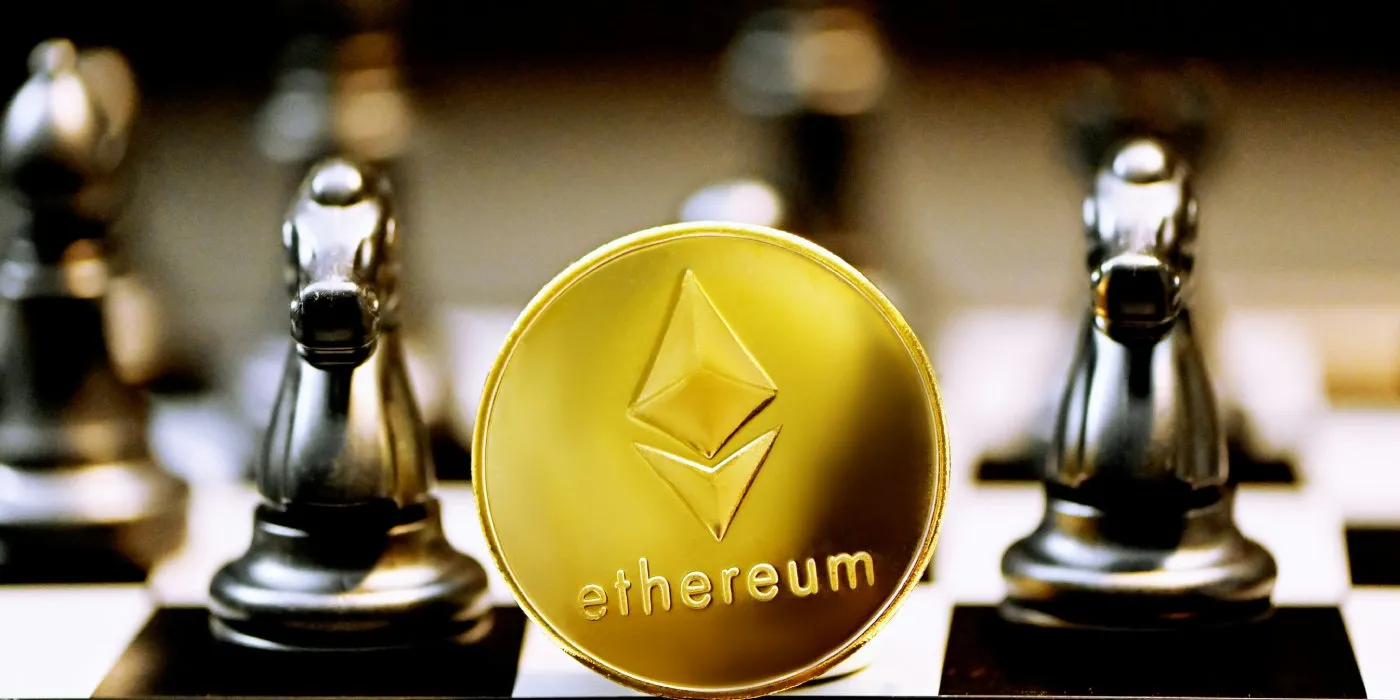
You’re deep in a Hearthstone match, eyeing a rare card, while your crypto wallet pings with Ethereum’s latest dip. What if you could turn those price swings into a winning hand? This guide unpacks how Ethereum’s market moves can fuel your in-game trading, blending blockchain savvy with card game strategy. Here’s how to play it smart.
I’ve been tracking Ethereum’s rollercoaster ride for years—those wild climbs and gut-punch drops—and I’ve spent just as long perfecting decks in Legends of Runeterra. Lately, I’ve noticed something: the line between crypto trading and digital card games is blurring. Ethereum’s price doesn’t just affect your wallet; it can shape how you trade in-game assets too. Whether you’re a crypto enthusiast or a card game grinder, there’s an edge to be gained here. Let’s dive into how those market waves can work for you.
Reading the Market Like a Card Draw
Ethereum’s value is a live wire—check the Ethereum price, and you’ll see it bounce daily. Recently, it’s slumped 40% over three months, dropping to $2,087 a token, according to the Financial Times. That’s a steep fall from its peaks, but it’s not all doom. I’ve seen this before: dips like these spark volatility, and volatility is where traders thrive. For card gamers, it’s like drawing a tricky hand—you don’t fold; you adapt.
Say you’re holding tokenized cards as NFTs in a game like Gods Unchained or even trading Magic: The Gathering codes on secondary markets. When ETH dips, those assets might look cheaper in dollar terms, tempting buyers. Flip that logic: a rising ETH price could inflate your card’s value overnight. Timing your trades with market swings isn’t just guesswork—it’s a skill I’ve honed flipping cards and crypto alike. The trick? Watch volume spikes (like the $12.6 billion traded in a day recently) for signals on when to move. Even in Hearthstone, where blockchain isn’t native, you could trade account value or tournament winnings tied to crypto trends.
Turning Price Dips into Deck Wins
Low ETH prices can be a goldmine if you’re strategic. Picture this: Ethereum’s down, gas fees drop and suddenly minting or trading NFTs feels less like a budget breaker. I remember skipping a card drop in 2021 because fees hit $50—painful. Now, with fees easing during dips, you can scoop up rare cards or in-game tokens on the cheap. Platforms like Illuvium, despite its recent restructuring, still run on Ethereum’s ecosystem and a lower ETH price could mean more accessible entry points for their assets.
For non-blockchain games like Legends of Runeterra, it’s less direct but still doable. Use ETH dips to convert to USD and buy packs—or trade account assets on forums where crypto’s accepted. I once snagged a tokenized card for 0.1 ETH during a lull, then sold it for 0.15 ETH when the market rebounded. That’s a 50% gain in ETH terms—enough to fund a new deck. Crypto traders get this instinctively; card players just need to tweak the mindset.
Gaming Ecosystems and Ethereum’s Edge
Ethereum’s gaming scene is heating up, and that’s no coincidence. Ronin, the Ethereum sidechain behind Axie Infinity, just went permissionless, per Decrypt, opening doors for more developers. Its RON token sits at a $720 million market cap, second only to Polygon in gaming chains. Meanwhile, Illuvium’s cutting costs to extend its runway, and Eve Frontier’s building a survival game on Ethereum’s layer-2 Redstone. These shifts tie back to ETH’s price—adoption drives demand, and demand nudges prices up.
For card gamers, this means more blockchain-integrated titles could emerge. Think of a Magic: The Gathering marketplace settling NFT trades instantly, or a Hearthstone-inspired game where your deck’s rarity scales with ETH trades. Price swings could dictate when you buy in or cash out, turning your gaming hobby into a side hustle. I’ve seen friends profit this way—it’s less about luck and more about timing. Even without blockchain, you could use ETH to fund in-game purchases via conversions, syncing your buys with market lows.
Playing the Long Game
Ethereum’s not invincible. The FT calls it a “midlife crisis,” with rivals like Solana stealing the spotlight via memecoins ($721 million in fees in six months, per Nansen). But here’s where I part from the skeptics: Ethereum’s developer backbone—think Vitalik Buterin’s crew—keeps it resilient. The Pectra upgrade, now testing on Hoodi, promises smoother wallets and lower costs, per CoinDesk. That’s fuel for a comeback, and smart traders know to buy the dip before the rebound.
For you, it’s about syncing your moves. A volatile ETH price can mean cheap card grabs today and fat profits tomorrow—whether it’s an NFT from Gods Unchained or a rare MTG code. I’ve lost count of the times a well-timed trade paid off in both worlds. The key? Stay fluid. Watch the market, sure, but don’t sleep on how it ties to your gaming grind. Blockchain or not, the principle holds: price swings are your lever—pull it wisely.
Your Next Move
Ethereum’s price swings aren’t just numbers—they’re opportunities. Whether you’re trading ETH to diversify your stack, snagging tokenized cards during a dip, or funding your next Hearthstone pack with a well-timed conversion, the overlap with card games is real and growing. I’ve ridden these waves long enough to know one thing: the best players don’t just react—they anticipate. So, next time you’re tweaking your deck or checking your wallet, think bigger. The market’s your board, and the cards are in your hand—play them right.
Leave a Comment