In-game purchases, commonly referred to as microtransactions, changed the way games are consumed and money made within the industry quite a long time ago.
The development, from inconsequential add-ons served as a “side dish” to enormous moneymakers, shows a willingness to adapt to the highly competitive market, technological advancements made through the decades, and finally, game designs modified for new platforms such as smartphones.
Here, we’ll chronicle their genesis, expansion, and changes made to the in-game purchase models, with an emphasis on the impact they made on the gaming scene.
The Origins of Microtransactions
Microtransactions started in the mid-2000s as games transitioned online. Consoles like the Xbox 360 and PlayStation 3 featured digital storefronts early on, allowing developers to monetize additional content.
Bethesda's The Elder Scrolls IV: Oblivion in 2006 was contentious with its $2.50 horse armor DLC. The minor cosmetic addition had limited gameplay value, but it began the transition from single-game purchases to continued expenditure. This caused a partial outrage in the community, since there were also websites where users made and shared their own mods online that could be downloaded completely for free. Considering Oblivion was an offline game, it’s completely reasonable why such an addition caused that kind of reaction, since if gamers wanted to invest their finances as well, they could easily do it in the form of online casinos like bet99 casino that even offers bonuses for the deposits and a huge selection of games, not just a single feature.
Early microtransactions did center around downloadable content (DLC) like map packs or character skins that ranged from $1 to $10. These add-ons would add hundreds of additional minutes of gameplay, like extra missions in Call of Duty or story additions in Mass Effect.
The Boom and Backlash in the 2010s
By the mid-2010s, microtransactions had soared, driven by free-to-play games and social media sites.
Games like FarmVille on Facebook were able to sell virtual goods, like crops or ornaments, for $1 to $5. The games were free to start, but progress often required spending or waiting. Gamers were split. Some liked the freedom of free games, but others loathed "pay-to-win" systems, where spending gave an unfair advantage.
Then, in 2017, Star Wars Battlefront II ignited outrage with loot boxes, randomized $1 to $20 purchases that could be used to unlock elite items. Players felt cheated, accusing developers of predatory tactics. Microtransactions generated $50 billion annually in 2018 figures, so they were profitable, despite the much larger outrage.
Mobile Gaming's Boom
Mobile games became the microtransaction behemoth of the 2010s. Smartphones democratized the field of gaming, and freemium games such as Candy Crush Saga and Clash of Clans reigned supreme.
These games employed "freemium" models, free to play but selling speed-ups, additional lives, or premium currency. One transaction could range from $0.99 to $100, and revenue was fueled by "whales" or big spenders.
Mobile games raked in $40 billion annually by 2016, mostly in microtransactions. Unlike console DLC, mobile transactions commonly offered ephemeral advantages, i.e., temporary boosts, that gave rise to accusations of exploitative design. Yet, their accessibility and convenience drew millions in, and microtransactions became a mainstay of the mobile sphere.
The Introduction of the Battle Pass
In the late 2010s, a novel model, the battle pass, arose, combining microtransactions with subscription-style value.
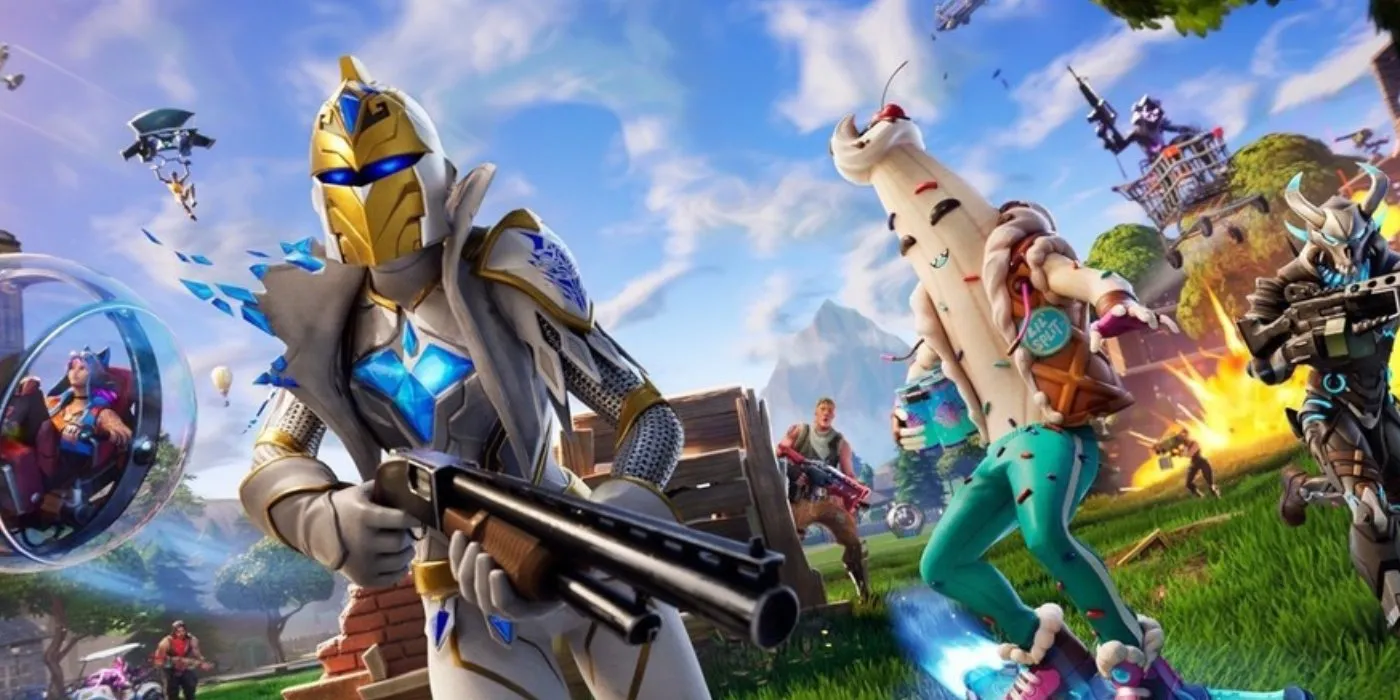
Popularized by Fortnite in 2017, battle passes cost between $10 and $20 and featured tiers of rewards like skins, emotes, or cash, unlocked progressively as users played.
Unlike loot boxes, battle passes had clear goals and consistent value, earning praise for fairness. By 2025, games like Apex Legends and Genshin Impact rely heavily on battle passes, with some games selling pay tiers for $30 or more.
This change decreased dependency on impulse buying but created pressure to play every day to continue receiving rewards, a subtle pressure to keep playing, and FOMO.
The Good and the Bad
It’s easy to see how microtransactions have both improved and worsened gaming.
On the positive side, they enable free-to-play games, which have brought gaming to millions of people, just plug and play. Well-designed purchases, like battle passes or story DLC, add value without shattering fairness.
By 2024, worldwide microtransaction revenue reached $90 billion, demonstrating their longevity. Yet, aggressive monetization models, loot boxes, paywalls, or manipulative timers alienate players and drive addiction fears.
Europe and Asia already regulate randomized purchases, an indicator of controversy's persistence. The transition toward battle passes heralds fairer models, though the sector needs to put player trust first in order not to repeat the past.
Comments
No comments yet
Be the first to share your thoughts!