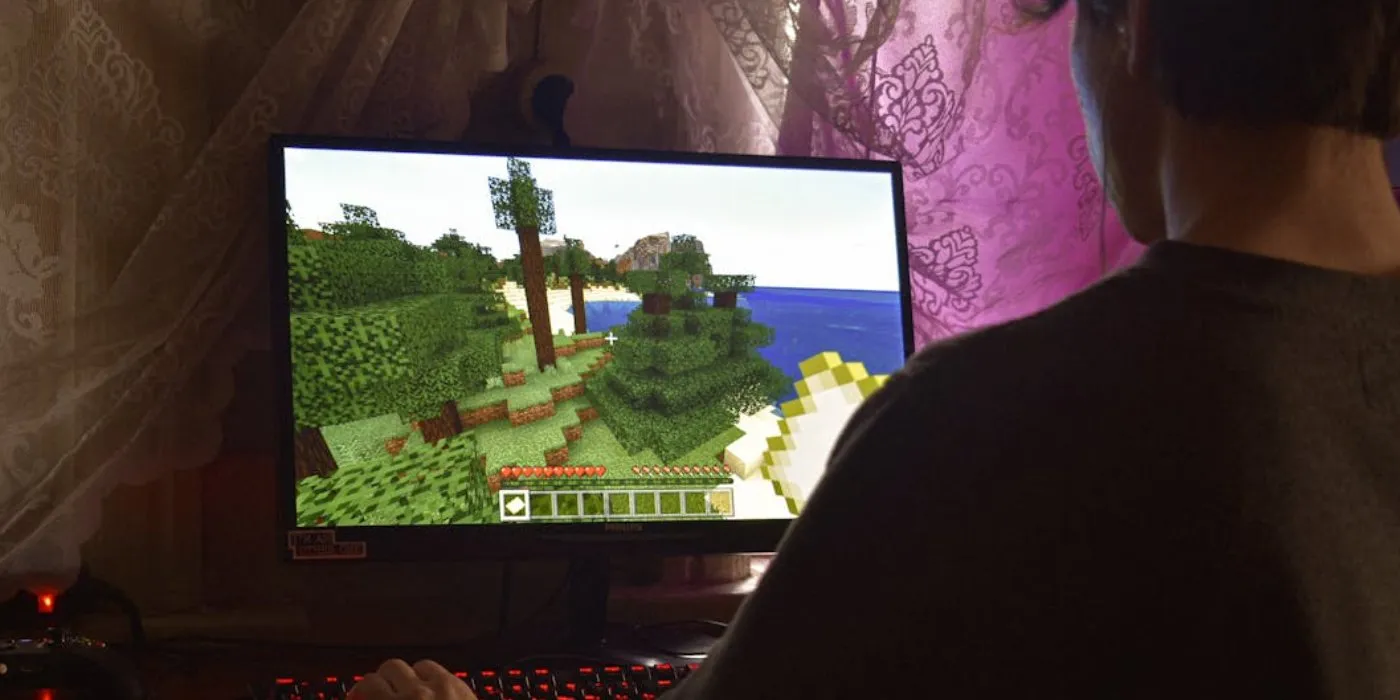
If you have spent time playing or exploring video games, you've probably encountered the term "PTS" and wondered what it means. Gaming terminology is full of acronyms, and understanding them is important if you want to stay ahead of the curve, especially in multiplayer and online environments.
In gaming, "PTS" can refer to different things depending on the context. It might mean an early-access environment for testing new content or simply represent points in a scoring or progression system. In this article, we'll break down what PTS means in games, how you can get involved with Public Test Servers, and even explore how similar concepts appear in casino-style gaming experiences.
What Is PTS in Gaming?
In most cases, when gamers talk about the PTS meaning in gaming, they are referring to the Public Test Server. A PTS is a special version of a game that developers release separately from the live game. The main purpose of a Public Test Server is to let players experience upcoming updates, patches, or expansions before they officially launch.
Developers use PTS environments for a variety of reasons. Primarily, it allows them to catch bugs at an earlier stage. Even with thorough internal testing, nothing quite matches the unpredictability and creativity of live players who might approach the game in unexpected ways. Allowing thousands of players to try new content reveals problems that might otherwise go unnoticed.
Another major reason developers use a PTS is to gather player feedback. This feedback can range from balance concerns, such as a weapon being too strong, to quality-of-life suggestions, such as improving menu navigation. Involving the community early builds goodwill and leads to a better final product.
Stress testing is also a key benefit. PTS environments allow developers to see how servers handle thousands of simultaneous players trying new content. Fixing technical issues during the test phase helps avoid potential disasters during the full release.
Some well-known examples of games with a strong PTS presence include The Division 2, where players test upcoming seasons and patches, and The Elder Scrolls Online, which uses its PTS to gather feedback on expansions such as ‘Necrom’ before launch. World of Warcraft also regularly uses Public Test Servers ahead of major updates, as seen in their Guardians of the Dream patch notes.
Taking part in a PTS not only helps shape the games you love but also gives you early access to new content.
How to Join a Public Test Server
Joining a Public Test Server can be a relatively simple process, though it varies slightly between games. Usually, developers provide clear instructions either on the game’s website, forums, or launcher.
In many cases, players need to opt in through the game’s official websites. For example, Ubisoft titles often have an option in the Ubisoft Connect app, while games on Steam might offer PTS versions as an optional download under a ‘Betas’ tab. Sometimes, an additional client needs to be downloaded specifically for PTS access.
Keep in mind that progress made on PTS usually does not carry over to the live game. It is simply a playground for testing, experimenting, and giving feedback, rather than a way to get ahead.
If you're looking for other ways to enjoy gaming bonuses while waiting for new PTS updates, you might explore casino-style games that offer promotions like 50 free spins. These bonuses allow players to enjoy new games with minimal risk, much like how PTS environments let gamers test content before it officially launches.
Taking part in a PTS is not just for the hardcore players, either. Casual players can offer valuable feedback too, especially when it comes to usability and fun. Game developers are increasingly interested in a wide range of perspectives to ensure their games appeal to as many players as possible.
PTS in Other Game Types
While ‘Public Test Server’ is the most common definition of PTS, it is not the only one you will come across in video games.
PTS as Points, Stats or Progression Systems
In some gaming contexts, PTS simply stands for ‘points’. You might earn PTS for achieving certain tasks, levelling up characters or unlocking new gear. Points systems are especially common in sports games, RPGS and competitive shooters where stats tracking matters.
In role-playing games, PTS could also refer to ‘stat points’ that you allocate to skills such as strength, intelligence or agility. Games such as ‘Diablo’ or ‘Borderlands’ use point systems heavily to let players customise their builds and playstyles.
Progression systems often reward players with points for completing challenges, missions or daily quests. These PTS might then be spent on cosmetic items, in-game currency or performance upgrades.
In this sense, ‘PTS’ touches on a core loop in many games. You can achieve something, earn points, improve your character and experience. It is a powerful motivator and a fundamental part of why games are so addictive and rewarding.
Casino-Themed Games and Promotional Systems
The idea of early access and player testing isn’t limited to traditional video games. In the world of online casinos, similar concepts are used to attract players and test new games.
Just like gamers test early features on Public Test Servers, casino players can claim free spins on the go to try out new mobile slot games before committing real money. These early access opportunities give players a risk-free way to explore new experiences, whether in a battle arena or a virtual casino.
Mobile casino games also frequently run beta versions or soft launches in select regions. These limited releases gather valuable feedback, helping developers fine-tune gameplay before a wider launch. Whether you're battling space invaders or spinning reels, player feedback remains at the heart of creating great games.
Final Thoughts: The Many Faces of PTS in Gaming
As we've seen, the term PTS can mean different things depending on the context, but at its core, it’s all about early access, testing, feedback, and improvement.
Whether you're exploring a Public Test Server for a new MMORPG expansion or earning points in your favourite shooter, PTS revolves around progression and player involvement. These systems invite players to experience new features early and help shape the final product through direct feedback.
Even online casino games have adopted similar models, offering players early access to new gaming experiences and promotions like free spins to encourage feedback. Whether you're battling space invaders or spinning the reels, players today have a greater role in shaping games than ever before.
Gaming continues to evolve. The concept of player-driven development through PTS servers, points systems, or beta promotions is at the heart of that change.
Next time you see the term PTS pop up in your gaming community, you'll know exactly what it means and why it matters.
Comments
No comments yet
Be the first to share your thoughts!