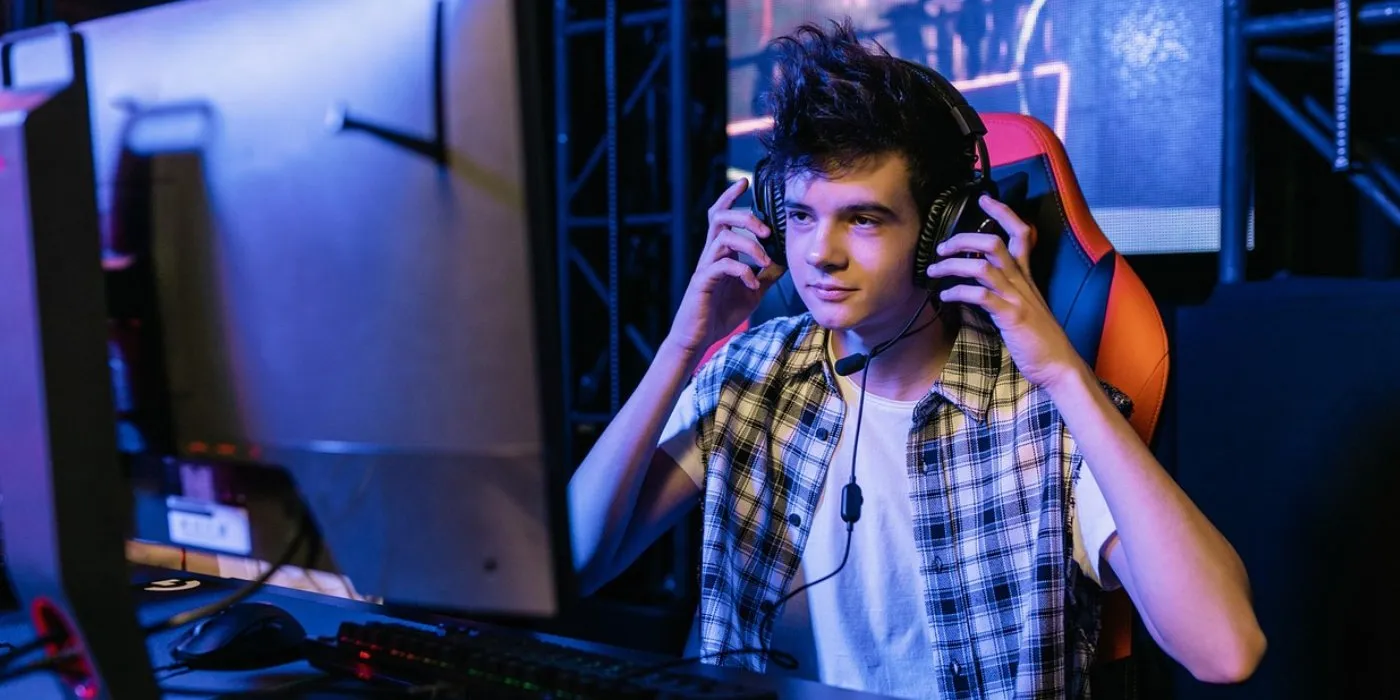
Competitive gaming has become one of the most influential forces in the video game industry. What began as casual contests among friends has evolved into a global phenomenon attracting millions of players and viewers. The rise of esports has changed how games are designed, marketed, and monetized. This shift is redefining the industry’s future in many exciting ways.
The Growth of Competitive Gaming
Over the past decade, competitions have transformed from niche gatherings to major events held in stadiums with prize pools reaching millions of dollars. Games like League of Legends, Dota 2, and Counter-Strike have professional leagues with dedicated teams, sponsors, and huge fan bases. The audience rivals traditional sports, with millions tuning in to watch tournaments live online or on television.
This explosive growth has motivated developers to focus on creating games that support competitive play. Features such as ranked modes, spectator tools, and balanced gameplay have become essential. The industry now invests heavily in esports infrastructure and acknowledges that competitive gaming drives engagement, community growth, and revenue.
How Competitive Gaming Influences Game Design
- It emphasizes skill-based and balanced gameplay: Competitive gaming demands precise mechanics and fairness, which leads developers to design games where player skill determines the outcome, rather than luck.
- It extends game lifespan: Games designed for competitive play tend to have longer lifespans as dedicated players continually improve their skills, which keeps the gameplay fresh and engaging.
- It drives innovation: Competitive gaming encourages developers to introduce new modes, maps, and characters focused on balance and fairness, which fosters ongoing innovation.
- It ensures responsive development and player feedback: Maintaining a vibrant, competitive scene requires developers to regularly update games and quickly address player feedback. This creates a dynamic and evolving relationship between creators and the community.
Economic Impact of Competitive Gaming
Professional players earn salaries and sponsorships; fans purchase merchandise, tickets, and digital content. Streaming platforms generate significant revenue by broadcasting matches and engaging audiences globally.
One notable effect is the rise of digital item trading within games. Many players buy and sell cosmetic items, such as skins, to show their support or express their style. For example, some traders sell cs skins through various marketplaces as a form of investment or to make a profit. This secondary market creates an additional revenue stream and enhances player engagement by adding value to in-game items.
The Role of Streaming and Content Creation
Streaming platforms like Twitch and YouTube have fueled the popularity of competitive gaming. They allow players to broadcast their gameplay live to millions, which creates communities around games and personalities. Streamers often build loyal fan bases that influence game popularity and drive player participation.
Content creators also help bridge the gap between casual gamers and the competitive scene. Tutorials, analysis, and commentary make complex games more accessible. As a result, more gamers are inspired to play, which expands the industry’s reach and longevity.

Challenges and Opportunities Ahead
Fair Play and Cheating
Cheating and hacking undermine the integrity of competitions and frustrate players. Developers and tournament organizers invest heavily in anti-cheat software and monitoring systems to detect and prevent unfair advantages. Continuous improvement in these technologies is critical to maintaining trust and fairness in the scene.
Toxic Behavior and Player Wellbeing
Harassment, verbal abuse, and unsportsmanlike conduct can harm player experience and lead to burnout. Many games now include reporting systems, player behavior analytics, and community management efforts to foster a more positive environment. Supporting player well-being is essential for the sustainability of competitive ecosystems.
Technological Advances for Growth
Virtual reality, improved streaming quality, and artificial intelligence-driven analytics are reshaping how players compete and audiences engage. These innovations can enhance gameplay immersion, provide deeper performance insights, and make viewing competitions more interactive and enjoyable.
Audience and Cultural Reach
Competitive gaming continues to expand its audience worldwide and break cultural and language barriers. Increased accessibility and diverse content creation help bring in new fans and players. This growth opens opportunities for sponsorship, media deals, and cross-industry collaborations, which further solidify esports as a mainstream entertainment platform.
Competitive Gaming’s Cultural Impact
Gaming tournaments are reshaping culture by creating new heroes, narratives, and social spaces. Professional gamers are now celebrities who inspire millions and cross over into mainstream media. Tournaments foster a sense of global community and can bring together diverse cultures around shared passions.
Moreover, gaming tournaments challenge traditional notions of sports and entertainment. They emphasize mental agility, teamwork, digital dexterity, and appeal to younger generations. This shift broadens how we understand competition and achievement in the digital age.
To Review
Competitive gaming is no longer a niche hobby but a major industry shaping how games are made, played, and monetized. Its influence spans game design, economics, media, and culture. As technology and communities evolve, it will continue to drive innovation and growth and offer new opportunities for players, developers, and fans. Staying informed and engaged with these changes is essential for anyone interested in the future of gaming.
Comments
No comments yet
Be the first to share your thoughts!