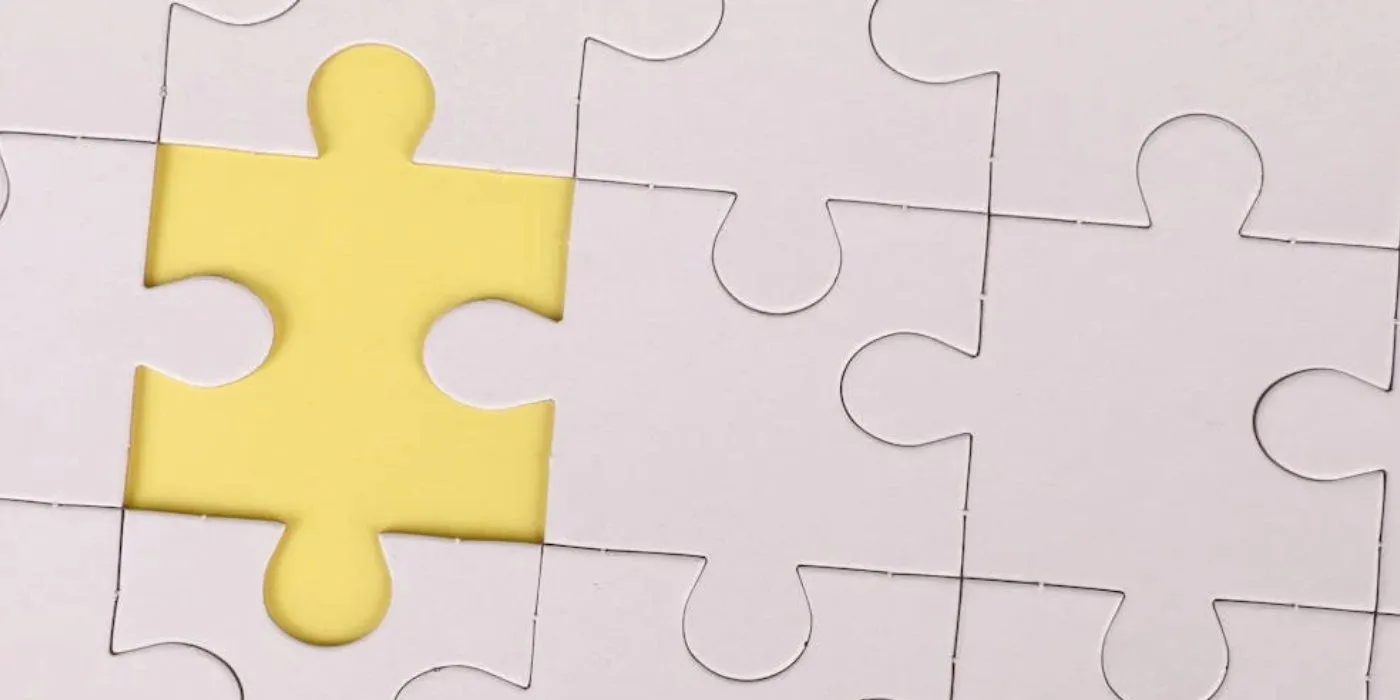
From Sudoku on paper to Tetris on your phone, puzzle games are how millions relax and reset. Why do they hold our attention so well? Because they challenge our minds, calm our nerves, and keep us coming back for more.
A Mental Workout in Disguise
Playing puzzles is like exercise for your brain. They help strengthen memory, speed up how quickly you process information, and improve how your brain handles tasks. Studies indicate that solving puzzles, especially visual ones like jigsaws, can boost attention, logic, and spatial awareness by building new connections in the brain.
Even mobile games like Cut the Rope can make a difference. After just 20 hours of play, people showed big improvements in task-switching and focus.
Puzzles also help lower stress by keeping your brain calmly engaged. The more you focus, the more your stress levels drop. If you’re solving crosswords or enjoying free jigsaw puzzles, you're not just passing time — you're training your brain to think faster and stay sharper.
Mood Boosters and Stress Relief
Puzzles don’t just pass the time, but help you feel better. Every time you solve one, your brain releases dopamine and serotonin, the chemicals that boost your mood and help you stay focused. That little rush of success you feel when you fit a piece or solve a clue? That’s your brain rewarding you.
Puzzle games are also a great way to unplug. Their steady, rule-based structure offers a safe space, especially helpful for people dealing with anxiety or depression. There’s no rush or risk, just calm problem-solving.
The Addictive Pull: Flow & the “Aha!” Moment
Puzzle games are great at pulling you in. They hit the perfect balance—challenging enough to keep your brain busy, but not so complex that they feel frustrating. This creates a state called flow, where you’re focused, time flies, and the world fades away.
Then there’s that classic “Aha!” moment, when a tricky piece suddenly appears. That flash of insight gives your brain a rewarding burst of dopamine.
Ever played Tetris and still “saw” the pieces afterward? That’s the Tetris effect: your brain gets so absorbed, it starts replaying the game even when you’re done.
Social & Long-Term Benefits
Puzzles are great for connection, too. Word games and board puzzles unite people, encouraging teamwork, patience, and empathy. Studies have shown they can also help slow cognitive decline, especially in older adults.
What’s more, puzzles appeal to all ages. Around 60% of U.S. adults, including many seniors, play them weekly to stay mentally sharp and relaxed.
And the skills you pick up while puzzling, like problem-solving, persistence, and seeing things from different angles, don’t stay in the game. They carry over into everyday life, helping you think more clearly and creatively.
Cultural Cocktails: Variety and Longevity
Puzzles come in all flavors — think Sudoku for logic, crosswords for words, and those fun physics-based games on your phone that challenge your spatial sense.
Then there’s Tetris, around since 1985 and played over 520 million times, proving its endless charm.
And let’s not forget daily word puzzles: they pop up in newspapers, apps, and even your calendar, giving you a quick, comforting brain break whenever you need one.
Caveats & Balance
While puzzles provide a fun brain boost, their long-term benefits remain unclear. Many studies show improvement in specific tasks, but it's still an open question whether they make you smarter overall.
Puzzles are just one component of a comprehensive brain support system. Experts emphasize holistic habits — exercise, good sleep, healthy food, and social time matter just as much.
Finally, even low-pressure games can become obsessive. Keeping play mindful and balanced is key to staying healthy and happy.
Comments
No comments yet
Be the first to share your thoughts!