
The cs2 skin changes we've seen since 2013 have transformed digital pixels into million-dollar assets. When Valve dropped the 'Arms Deal' update for Counter-Strike: Global Offensive in August 2013, nobody predicted these virtual weapon skins would create a multi-billion-dollar economy. The results were immediate and massive—player numbers jumped six-fold in just seven months after the update.
Let's be real, what started as 100 decorated weapons across ten collections has blown up beyond what anyone imagined. Early designs like the AK-47 Case Hardened quickly became player favorites, and their values have skyrocketed tenfold since then. Fast forward to today, and Valve reportedly banked nearly $1 billion from case and key sales in 2023 alone. The CS GO skin market has evolved from simple cosmetics into serious investments with actual valuation principles.
The transition from CS:GO to CS2 brought significant changes to skin visuals and conditions. With the Source 2 engine, weapon skins look sharper than ever. Still, it's wild to think about how far we've come—the Karambit Case Hardened 'Blue Gem' is now listed for over $1.5 million. Finding the perfect skin has never been easier with platforms like Market CSGO Items helping players navigate this complex economy. Whether you're hunting rare patterns or checking float values, Market CSGO Skins has become part of how collectors build their inventories in this ever-changing digital landscape.
The origin of CS skins and their early impact
August 14, 2013 marked a game-changing moment for Counter-Strike – a date that completely flipped how players viewed virtual items. The Arms Deal update dropped, and nobody knew just how massive it would become.
The Arms Deal update and first skin collections
Valve's first skin release was modest but groundbreaking. The update packed over 100 unique weapon finishes across ten themed collections. Players could suddenly deck out their guns with designs ranging from simple patterns to flashy artwork. The first-ever CS:GO Weapon Case featured nine skins, including the now-legendary AWP Lightning Strike and AK-47 Case Hardened. Moreover, Valve introduced StatTrak™ modules – a kill-counter attached to your weapon that flexed your skill in-game.
Why Valve introduced skins in CS:GO
Valve wasn't just being generous – they had a solid business plan. Initially, skins were marketed as pure cosmetic upgrades for players wanting to customize their loadout. However, the real genius came with the economic system behind them. The Steam Community Market let players buy and sell these virtual items, with Valve pocketing 5% of every transaction. Additionally, a portion of eSports Weapon Case Key sales funded prize pools for tournaments – essentially getting players to bankroll the competitive scene.
How early skins shaped player engagement
The impact was immediate and dramatic. By December 2013, CS:GO's player count had doubled. Skins transformed matches into potential paydays – suddenly you weren't just playing for wins but for the chance to score valuable drops. What began as simple customization quickly evolved into a complex ecosystem where skins became virtual currency, investments, and serious status symbols.
Today, the CS GO skin market has exploded beyond anyone's wildest predictions. Players hunting for perfect patterns or rare conditions regularly use platforms like Market CSGO Items to build their collections. Float values, pattern indexes, and wear ratings became crucial factors in determining value. For collectors looking to check authenticity or trade safely, Market CSGO Skins provides the tools needed in this ever-expanding universe of virtual assets.
The rise of the skin economy and trading culture
What began as simple cosmetic add-ons quickly morphed into a thriving digital economy. The CS GO skin market transformed from a niche hobby into a multi-billion-dollar industry, reshaping how players interact with the game itself.
Steam Marketplace and third-party platforms
Steam Community Market kicked things off as the official trading hub, taking a hefty 15% cut from each transaction. Yet despite this tax, the marketplace exploded with activity. Players loved the safety but hated the limitations – you couldn't cash out your Steam Wallet funds for real money. This gap led to a boom in third-party platforms offering lower fees and cash withdrawal options. In fact, the CS2/CS:GO skin industry grew to be worth billions of dollars. For players tracking detailed float values or seeking rare patterns, platforms like Market CSGO Items became go-to resources for serious collectors.
Rarity, float values, and pattern indexes
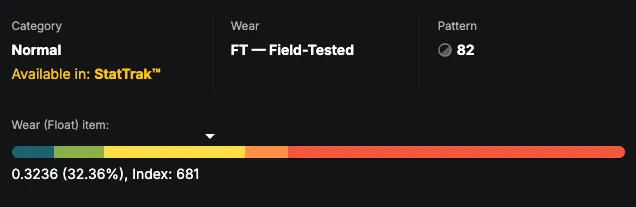
Float values completely changed how players view weapon skins. Each skin has a float between 0.00 and 1.00 determining its wear condition. Two seemingly identical Glock-18s might differ by just 0.01 float points, yet one could be worth $200 while the other only $20. Furthermore, pattern indexes added another layer of complexity. Case Hardened skins perfectly illustrate this – each receives a random portion of the pattern template. A Karambit Case Hardened with more blue portions (known as "Blue Gems") can fetch astronomical prices compared to regular versions.
The role of StatTrak and Souvenir skins
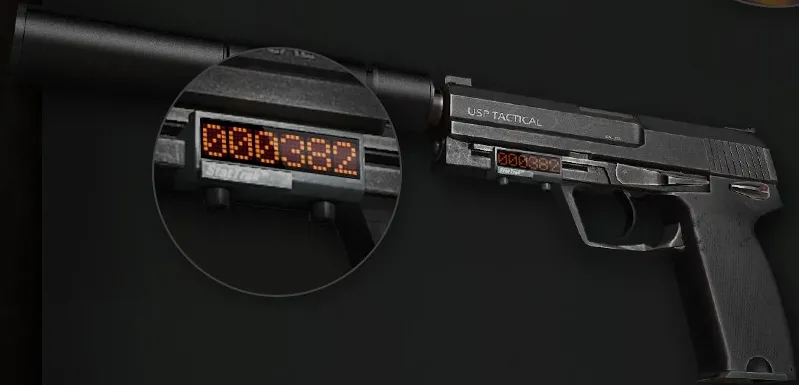
Beyond standard skins, Valve added special categories that further drove collector interest. StatTrak skins display kill counts, adding bragging rights. Meanwhile, Souvenir skins can only be obtained from major tournaments. These exclusive drops come with rare stickers that are often unobtainable through other means, making them prized possessions in any collection. For enthusiasts building their inventories, Market CSGO Skins provides valuable information on these unique variants.
How skins became digital investments
As a result of limited availability and growing demand, top-tier skins have outperformed traditional investments. According to analysis, high-tier skins like Karambit Fade have seen annual returns of 25-40% over five years – significantly better than the S&P 500's average 10%. The Case Hardened Karambit "Blue Gem" pattern #387 is now valued at over $1.5 million. Consequently, many players view their inventories not just as cosmetic collections but as legitimate investment portfolios.
From CS:GO to CS2: visual and gameplay changes
The jump from CS:GO to CS2 brought a visual revolution for weapon skins. Players booting up CS2 for the first time immediately noticed their precious collections looking surprisingly different—sometimes better, sometimes worse.
Source 2 engine and improved skin visuals
The Source 2 engine cranked everything up a notch with improved lighting, textures, and overall graphics quality. Skins now benefit from physically based rendering that produces realistic materials and reflections. This upgrade makes iridescent finishes on weapons pop with vibrant, realistic shimmer. High-end skins like Dragon Lore and Medusa look even more stunning with the new graphical fidelity.
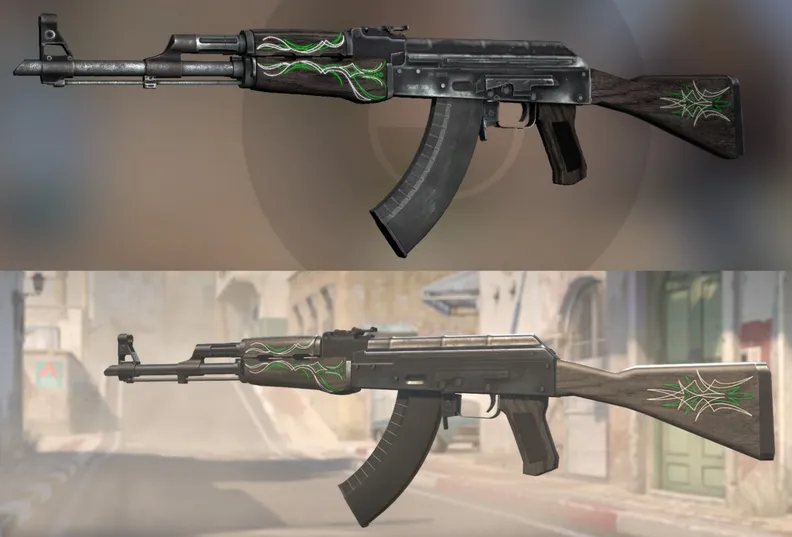
Apart from static improvements, CS2 introduces dynamic environments where skins react differently to various lighting conditions. This is super noticeable in maps with changing lighting—your skin can look totally different depending on where you stand in the game.
Changes in skin brightness and shader effects
Of course, Valve has historically adjusted skin brightness for balance and rarity classification. In CS2, this practice continues but with enhanced tech. The Desert Eagle Bronze Deco and Five-Seven Copper Galaxy got a serious glow-up with nice gold finish. Plus, previously unpopular P2000 Silver suddenly shines with new colors and now commands serious cash.
The CS GO skin market saw dramatic shifts after these changes. Players checking out these visual upgrades often turn to specialized platforms like Market CSGO Items to compare before-and-after appearances of their favorite skins.
How CS2 updates affected skin conditions
Eventually, while float values and wear ratings remained mathematically identical between games, their visual representation changed dramatically. Factory New items still have the same CS2 wear rating as before, but scratches and fade patterns now look sharper and more defined. Primarily, this happens because Source 2 shows wear with greater detail.
Reactions from the community and traders
Initially, traders and collectors went nuts. The AWP Sun in Leo spiked from $20 to $75 just from one clip showing its appearance in CS2. Nevertheless, the community found the changes mostly positive—everyone loves good skin, and they're a bit easier to get now.
Market CSGO Skins noted increased trading activity during this transition period, especially for items with dramatically improved visuals like the M4A1-S Hot Rod, AUG Carved Jade, and Butterfly Knife Fade.
The million-dollar skin market and its future
In June 2024, the CS2 skin universe hit a mind-blowing milestone when a super-rare AK-47 skin sold for over $1 million. Yep, you read that right—seven figures for digital pixels.
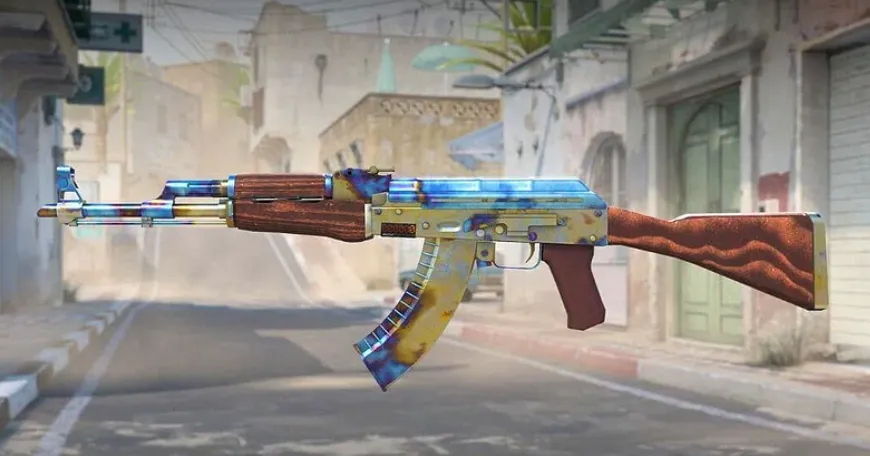
Examples of skins that reached $1M+ value
The record-breaking skin was a StatTrak Factory New AK-47 Case Hardened with the coveted "Blue Gem" pattern 661. What makes it special? It's literally the only one in existence—a true one-of-one. Before this sale, a Minimal Wear version of the same pattern sold for $400,000 in 2022. Notably, there's also a Karambit Case Hardened "Blue Gem" that someone reportedly turned down $1.5 million for. The chance of unboxing this exact knife? Roughly 1 in 371 million.
Tracking these rarities has become serious business across the CS GO skin market. Collectors use platforms like Market CSGO Items to verify patterns and float values before dropping massive cash on these investments.
DMCA takedowns and the M4A4 Howl case
The M4A4 Howl tells a different million-dollar story. Back in 2014, Valve received a DMCA takedown notice for this skin. Turned out, the Workshop contributors had stolen the artwork. Given that this was a big deal, Valve acted quickly—banning the contributors, replacing the design, and creating the unique "Contraband" rarity.
Afterwards, something unexpected happened. The now-discontinued Howl skyrocketed in value, with StatTrak versions selling for around $14,000-$30,000. Market CSGO Skins data shows it's the only weapon skin with Contraband status.
Cultural impact in esports and streaming
For 2025, investment experts point to limited collections as the best bets—Dragon Lore AWPs, Gungnir AWPs, and Katowice 2014 stickers top the list. Furthermore, the market keeps evolving—dynamic skins that change appearance based on in-game actions are gaining popularity.
At the present time, the CS2 skin economy generates roughly $600 million annually—evidence that what started as simple cosmetics has evolved into legitimate financial assets.
Conclusion
The journey of CS2 skins since 2013 has been nothing short of mind-blowing. What started as simple cosmetic upgrades worth a few bucks has exploded into a billion-dollar economy with some skins fetching seven-figure price tags. Undoubtedly, Valve struck gold with their Arms Deal update, forever changing how gamers view virtual items.
Source 2 brought a whole new level of visual fidelity to our beloved skins. Better lighting, sharper textures, and improved reflections made our digital arsenals look way cooler than before. Though some changes initially freaked out traders, most agree the upgrades were worth it. The fancy patterns on Blue Gems or the glow of Dragon Lores now pop like never before.
The CS GO skin market has matured into something nobody saw coming back in 2013. Players looking to check float values, pattern indexes, or wear conditions now rely on platforms like Market CSGO Items to make informed decisions. After all, when a single Karambit can cost more than a house, you better know what you're buying! Market CSGO Skins has become essential for collectors hunting rare patterns or checking authenticity before dropping serious cash.
Float values, pattern indexes, and rarity tiers will certainly continue driving prices in the coming years. Additionally, we expect limited collections to remain the best investment options. At this point, skins have transcended their cosmetic origins to become legitimate financial assets, status symbols, and a core part of Counter-Strike culture.
Looking at the last decade of skin evolution, one thing is clear – this digital economy shows no signs of slowing down. Whether you're a casual player with a modest inventory or a serious collector with million-dollar assets, the skin ecosystem remains one of gaming's most fascinating economic experiments. Therefore, what began as a simple update has transformed into a cultural phenomenon that continues to shape how we experience Counter-Strike.
What started as simple cosmetic upgrades worth a few bucks has exploded into a billion-dollar economy with some skins fetching seven-figure price tags. Undoubtedly, Valve struck gold with their Arms Deal update, forever changing how gamers view virtual items.
Source 2 brought a whole new level of visual fidelity to our beloved skins. Better lighting, sharper textures, and improved reflections made our digital arsenals look way cooler than before. Though some changes initially freaked out traders, most agree the upgrades were worth it. The fancy patterns on Blue Gems or the glow of Dragon Lores now pop like never before
Comments
No comments yet
Be the first to share your thoughts!