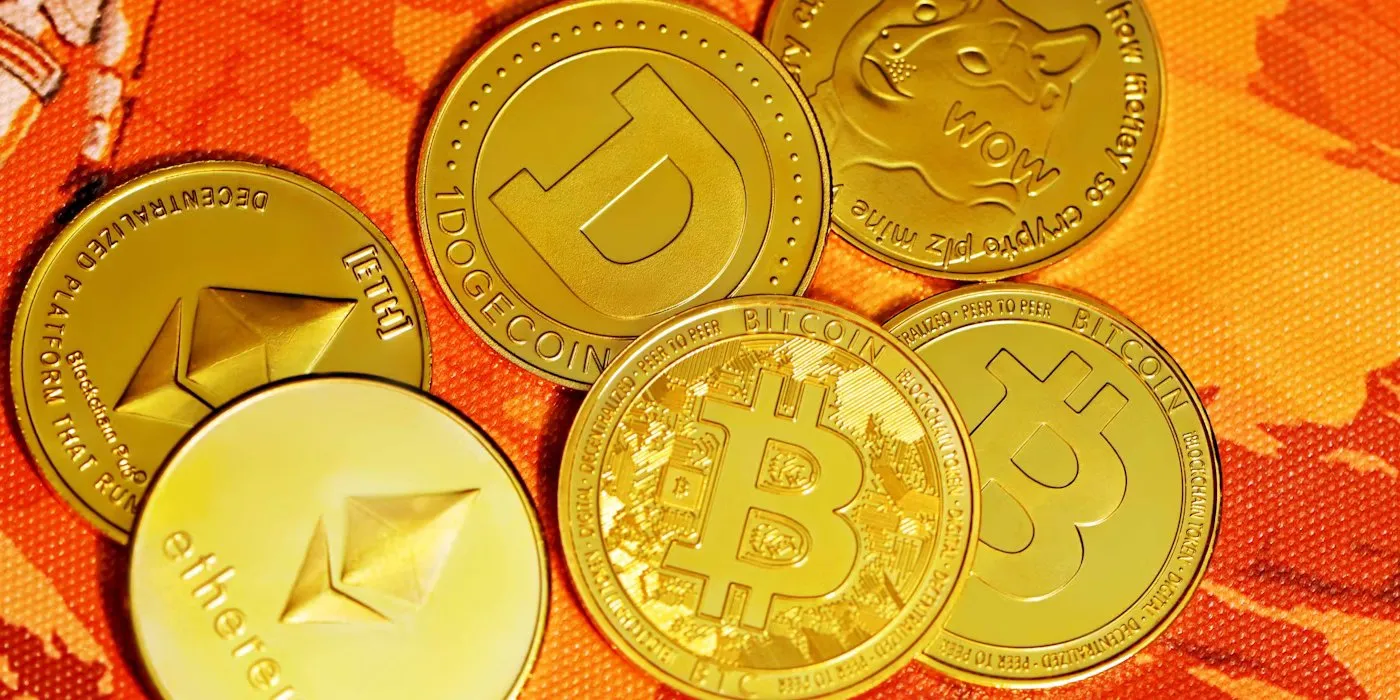
Coins, gems, tokens, most games give you something to collect. It all started off simple: earn some currency, unlock new features, keep playing. However, that’s not really how it works anymore. What used to feel like part of the game now feels like the game itself. These systems have become digital economies, and people are paying attention because they’re starting to look a lot like the real thing.
It’s Not Just a Game, It’s a System
Most games don’t ask for much when you join. There’s no paperwork, no background check. You just have to download the app, pick a name, and you’re already inside. The setup is quick and private, which is part of what makes it easy to stay. That same idea is behind no KYC crypto casinos. They’re built for access. You don’t have to fill out forms or prove your identity. You just skip verifications, start playing, and you’re in. There’s no need to wait around, and you don’t have to explain anything to anyone.
Game economies work like that too. Once you’re in, the system starts running. You earn, you spend, and you keep going. There’s no gatekeeping, and the entire thing is self-contained and built for people who want to make choices without being told how.
More Than One Currency
Games usually don’t stop at one currency. You get coins, gems, points, tokens, sometimes all in the same game. One is usually easy to earn just by playing, while another takes time or money, and others are tied to resources, upgrades, or crafting. They all have their purpose because one currency might let you unlock new content. Another might only be used during a specific event. It’s not random, but it’s layered. Once you get used to it, you start to see how the pieces connect.
That’s when you realize it’s not just about collecting or making purchases in cases like games like Hearthstone. You’re actually managing something, including carrying out activities like saving, choosing when to spend, and deciding which currency is worth more. It becomes less about gameplay and more about value.
Players Take Control
In some games, everything is fixed. You play, the system responds, and that’s it. On the other hand, others give you more control. You can trade, you can set prices, and you can shape the way things work. If something’s rare, it becomes valuable; if it’s everywhere, the value drops.
That’s when it starts to look like a market, not a loop. Players decide what matters, not the developer. You’re not just reacting to the game anymore, you’re affecting it in real-time. If enough people do the same thing, the whole system shifts, which is the same thing in decentralized platforms. Nobody steps in to tell you what something is worth. The users decide and in games that give players freedom, the same rules apply.
Scarcity Wins
A big part of the value in digital systems comes from scarcity. Some items only show up once, whereas others are tied to special events and never come back. They don’t always offer big advantages in the game, but that doesn’t matter. People want them because they’re rare.
It works the same way in crypto. A token with no real use can still gain value if the supply is limited and enough people want it, since perception moves price more than function. Games figured that out early on and built it into their design. So when a game drops something limited, players react. Some chase it right away, while others wait and try to trade for it later. That back and forth keeps the economy moving. The item’s value isn’t fixed because it changes depending on how people respond.
No Extra Steps
Another reason in-game currencies work so well is how easy they are to use. You don’t need to link a bank account. You don’t have to talk to support because everything runs inside the system. You earn, you spend, and that’s it.
People like this kind of setup. It’s simple, and it doesn’t get in the way. You don’t have to think too hard to understand how it works. That’s part of the reason game economies stay popular. They don’t slow you down, but you see a similar pattern in decentralized finance. The less time people spend verifying things, the more time they spend actually using the system. Whether it’s coins in a game or tokens on a blockchain, the idea is the same: use it when you want without asking permission.
Digital but Real
People used to say that digital items weren’t “real,” but that doesn’t really hold up anymore. Players spend time building their accounts, growing their inventory, and learning the system. That time has value, even if the rewards aren’t physical.
When you spend weeks grinding for a rare item or managing different currencies to reach a goal, you’ve invested effort. That effort turns into value, and other people see it too. That’s why game items and in-game currency matter. They represent what people have done, and how they’ve done it. It’s not just about fun anymore. It’s about what you can do inside the system, and how good you are at using it.
Conclusion
In-game currencies have changed since they aren’t just coins and points anymore, but they’re systems that run like real markets. The more they play, the more they understand how digital value works. Whether it’s a limited-time item in a game or a token on a crypto platform, the logic is the same. If people care about it, and if access is easy, the system keeps running. Players don’t need someone telling them what to do since they figure it out themselves. Games have shown that digital economies don’t have to be complicated to work. They just have to be built around access, choice, and value that feels earned.
Comments
No comments yet
Be the first to share your thoughts!