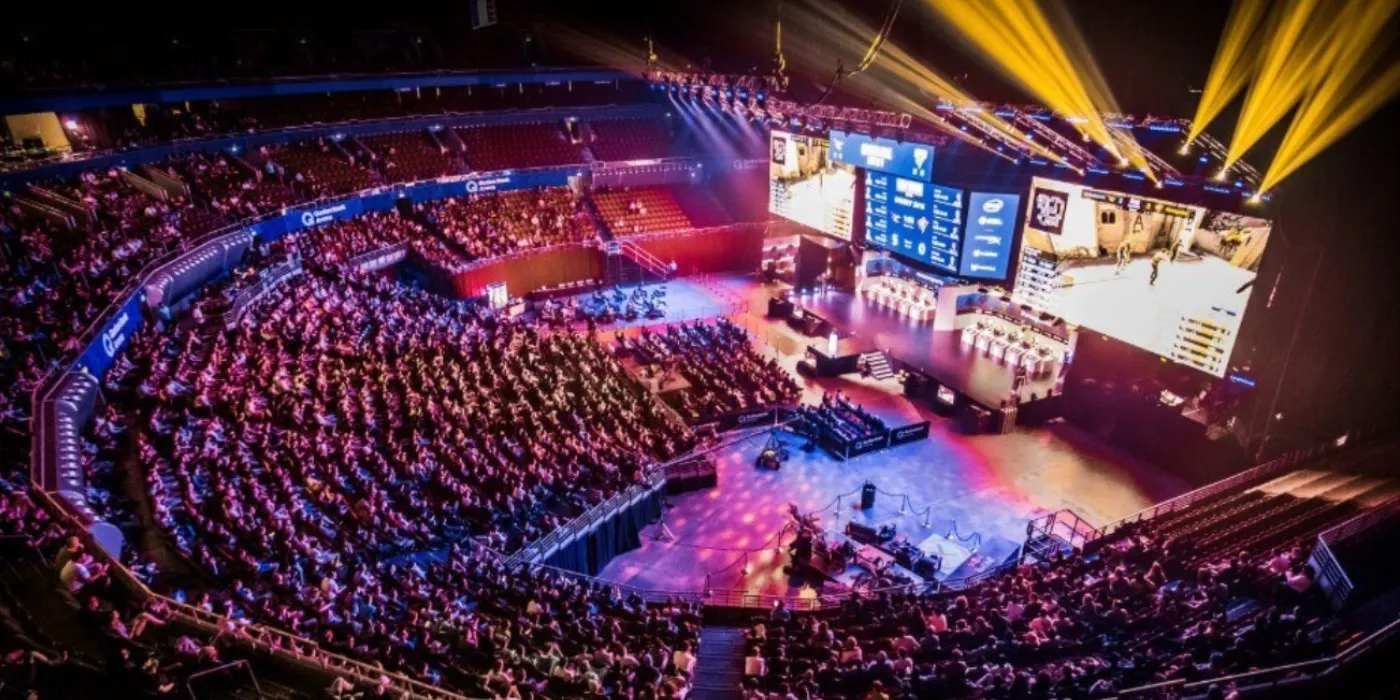
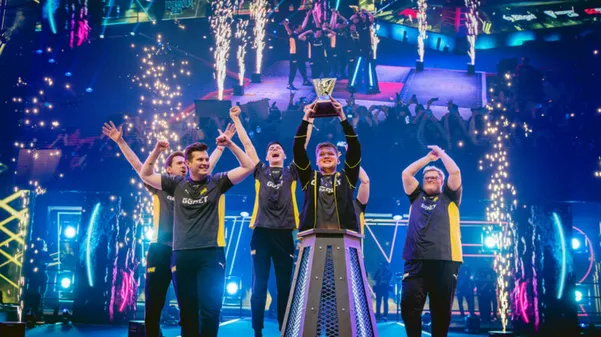
In 2019, a 16-year-old gamer lifted a trophy in a sold-out New York stadium and walked away with a $3 million prize. The event was the Fortnite World Cup, not a traditional sporting championship. Stadium crowds, multimillion-dollar prizes, roaring fans – if this sounds like a sport, it might just be the new face of one. The question "Is playing video games a sport?" has ignited debates among gamers, sports fans, and industry experts alike. Many now see professional gaming (or esports) as a true competitive sport, while skeptics remain unconvinced.
Competitive Gaming Goes Mainstream
Video games have come a long way from a basement hobby to prime-time spectacle. Today’s top esports tournaments attract viewership numbers on par with some of the biggest traditional sporting events. For instance, the 2019 League of Legends World Championship drew over 100 million viewers worldwide, rivaling that year's Super Bowl audience. Arenas around the globe sell out for championship finals; from Los Angeles to Seoul, tens of thousands of fans pack venues. Professional esports teams are backed by major sponsors, players sign contracts as athletes, and training is intense. Elite gamers practice for hours daily, honing reflexes, strategy, and teamwork. Major sports networks now broadcast esports Competitions and dedicated esports news outlets cover esports stars in a manner similar to how traditional sports media follow star athletes.
Competitive gaming has grown into a global business, with sponsors, tournament organizers, and digital platforms shaping how players engage with games. This growth also exists in other digital sectors, including online gambling, which has seen faster growth than traditional casinos in recent years. Unlike offline venues, online platforms offer access to exclusive promotions, such as the Oscarspin Casino no deposit bonus on Casinos Analyzer website, which are designed to meet increasing user demand for flexibility and rewards.
Why Some Say It’s Not a Sport
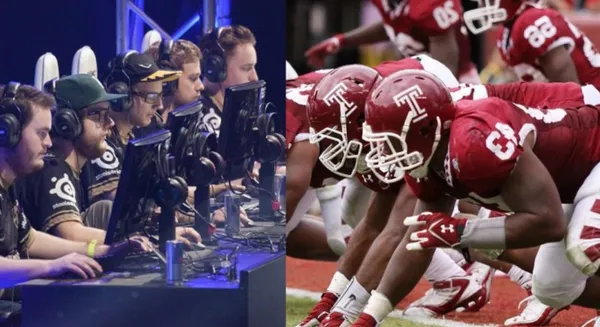
Despite esports’ meteoric rise, there are those who insist video games aren’t sports. Their main argument? Traditional sports demand physical exertion and athletic skill, whereas gaming is mostly sedentary. In esports, there's no sprinting or jumping – players sit at screens with a controller in hand. Critics argue that if competitors aren’t physically pushing themselves, it can’t be a “real” sport. They often liken esports to chess or poker, skill-based contests that lack athleticism. For these critics, gaming simply lacks the physical foundation they believe defines sport.
What Makes Esports Feel Like Real Competition
Why should video games be considered a sport? Supporters say that aside from the lack of heavy physical activity, esports checks nearly every box of a sport. Players train rigorously, sometimes 8 to 12 hours a day, much like Olympians preparing for competition. They must maintain peak mental agility and hand-eye coordination, with lightning-fast reaction times comparable to those of a Formula 1 driver. The competitive structure also mirrors traditional sports. There are professional leagues and global tournaments drawing huge audiences. Playing in front of thousands of live spectators and millions more online brings intense pressure, just like any championship match. In packed arenas, chanting fans and elaborate ceremonies create an atmosphere as electric as any playoff final. Media coverage is extensive, with commentators, analysts, and instant replays, just like any major sports broadcast. Importantly, esports is gaining official recognition. Several countries now classify pro gamers as athletes (for visa purposes), and events like the Asian Games have added esports as medal events.
Gaming vs Traditional Sports
To understand the parallels and differences, here’s a quick comparison of competitive gaming and conventional sports:
| Aspect | Competitive Gaming (Esports) | Traditional Sports |
|---|---|---|
| Physical Demands | Minimal physical movement; relies on reflexes, coordination, and mental stamina. | Significant physical exertion and athletic ability (strength, endurance, agility). |
| Training & Practice | Daily practice (often many hours), plus strategy sessions and mental conditioning. | Intensive training, drills, and practice to improve athletic skill and strength. |
| Competitive Structure | Professional leagues and global tournaments; teams have coaches and sponsors. | Organized leagues and global events (Olympics, World Cups); teams have coaches, sponsors, and long-established governing bodies. |
| Fans & Media | Millions of fans watch online streams; big events fill arenas; covered by specialized gaming media and sometimes mainstream press. | Massive fan bases fill stadiums and watch on TV; extensive coverage on sports news channels. |
| Recognition | Gaining recognition as a sport; some countries issue athlete visas to pro gamers and include esports in multi-sport events. | Universally recognized as sports by the public and institutions. |
In the end, the biggest difference between esports and traditional sports is the physical element – one tests muscle power, the other tests reflexes and strategy. Both involve competition at the highest level, demand exceptional skill and dedication, and inspire passion in millions of spectators. As competitive gaming continues to grow, the line between clicking a mouse and swinging a bat is blurring. More people are recognizing that whether on a virtual battlefield or a physical playing field, the thrill of victory and the heartbreak of defeat are just as real. Competitive gaming is gaining ground on traditional sports, and for many, it stands as a separate sport.
Comments
No comments yet
Be the first to share your thoughts!