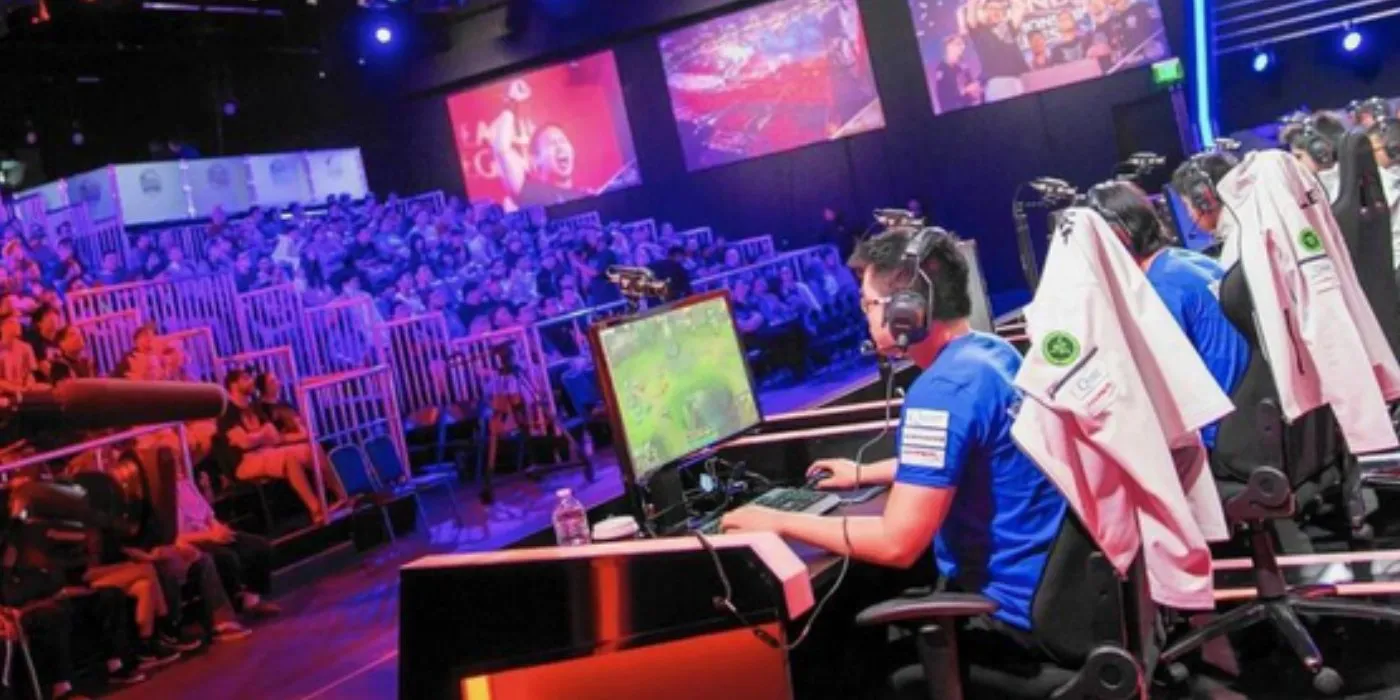
The competitive world of esports has grown exponentially over the past decade, evolving from niche tournaments to fully professionalized leagues with global audiences. At the center of this ecosystem lie professional rankings, which play a crucial role in shaping the mindset and behavior of players. These rankings are not merely numbers or lists—they represent a public, quantifiable assessment of skill, consistency, and teamwork, which players and teams use to measure progress and success. For many esports athletes, seeing their team’s name climb the leaderboard is more than a badge of honor—it is a motivating factor that influences their daily training, mental resilience, and approach to high-pressure matches.
Understanding how rankings impact motivation can reveal why some players consistently perform at elite levels while others struggle under the weight of expectations and external pressures. Moreover, rankings act as a bridge between personal ambition and professional recognition, linking individual effort to tangible career outcomes such as sponsorships, media attention, and invitations to prestigious events.
The Role of Rankings in Esports Careers
Professional esports rankings serve as an essential framework for evaluating the performance of both individuals and teams across the globe. These rankings are typically calculated using metrics such as match wins, tournament placements, and consistency over time, and they provide players with a concrete indicator of where they stand relative to their peers. For many players, ascending the ranks is a clear sign of improvement and a validation of their hard work, strategic planning, and in-game decision-making.
Higher rankings often lead to greater visibility, which in turn attracts sponsorship deals, invitations to exclusive tournaments, and offers from top-tier organizations seeking skilled talent. Conversely, dropping in the rankings may trigger reflection and self-evaluation, prompting players to adjust their training routines, review strategies, or even switch roles within the team. This feedback loop creates a strong connection between performance metrics and intrinsic motivation, encouraging players to continuously improve and adapt to the evolving meta of their respective games. Furthermore, rankings provide teams and managers with objective benchmarks, which help in long-term planning, scouting new talent, and maintaining competitive relevance in a highly dynamic esports landscape.
Rankings as Motivation for Skill Development
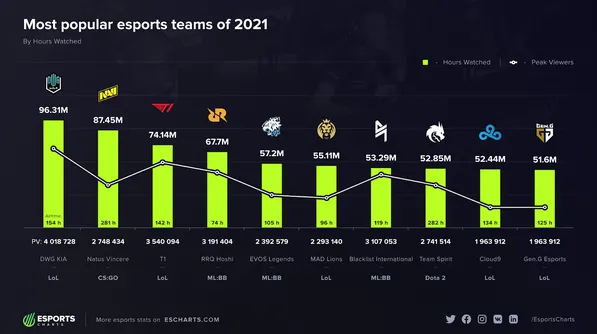
Professional rankings serve as one of the most tangible motivators for skill development in esports. As players analyze their positions on global leaderboards, they often identify specific areas that require improvement, such as mechanical accuracy, map control, decision-making, or team communication. Teams may adopt structured review sessions, analyze match replays, or use performance analytics to refine strategies and optimize individual contributions. For instance, studying cs2 ranks allows players to observe how top-tier teams maintain consistency through disciplined practice schedules, adaptation to meta changes, and efficient coordination.
Observing these patterns motivates aspiring professionals to elevate their own gameplay, creating a culture of continuous improvement. Additionally, rankings influence practice structure—high-ranking teams often split training into specialized drills, scenario-based simulations, and tactical workshops, which are all designed to replicate the challenges of competitive matches. The visibility of rankings also introduces an element of social comparison, as players benchmark themselves against peers and top performers, further intensifying the drive to refine skills and achieve higher positions. Over time, this iterative process of evaluation, adjustment, and execution becomes a core component of a professional esports player’s development journey.
Psychological Impact of Competitive Rankings
The psychological effects of professional rankings in esports are profound and multifaceted. On one hand, they serve as a powerful confidence booster, providing visible proof of a player’s abilities and reinforcing self-esteem. A player who consistently maintains or improves their rank experiences a sense of accomplishment that drives further dedication, sharper focus, and improved mental resilience. On the other hand, rankings can introduce significant stress and anxiety, particularly for players or teams that fall short of expectations.
The fear of losing rank points, missing out on sponsorships, or failing to qualify for major tournaments can create pressure that impacts performance negatively. Sports psychologists studying competitive gaming have noted that clearly defined performance metrics, such as rankings, enhance goal-setting behavior, foster perseverance, and encourage adaptive coping strategies. Players often set incremental goals to climb the leaderboard, breaking down complex objectives into manageable milestones.
This approach not only improves gameplay but also helps athletes develop a growth mindset, where setbacks are viewed as opportunities for learning rather than failures. Over time, the psychological relationship between ranking and performance becomes cyclical: motivation leads to improvement, which leads to better rankings, which further reinforces motivation.
Team Dynamics and Motivation
In esports, rankings influence not just individual motivation but also the cohesion and performance of the entire team. A high-ranking team experiences validation that reinforces trust, communication, and synergy among members. Shared objectives tied to ranking progression create collective accountability, where each player feels responsible for the team’s overall performance. Conversely, teams struggling with low ranks often undergo introspection, leading to tactical adjustments, role changes, or even roster modifications.
Leaders within the team play a crucial role in translating ranking metrics into actionable goals, motivating teammates to focus on critical areas such as map control, utility usage, and timing strategies. Rankings also provide context for conflict resolution within teams; when expectations are clearly aligned with ranking goals, players are more likely to approach challenges constructively, collaborate effectively, and maintain morale during high-stakes matches. In essence, rankings function as a social and psychological anchor, guiding team behavior, enhancing cohesion, and establishing a shared framework for competitive improvement.
Rankings and Sponsorship Influence
Beyond internal motivation, professional rankings significantly impact external opportunities in esports. High-ranking players and teams attract attention from sponsors, investors, and media outlets seeking visibility in the competitive gaming scene. Sponsorships offer financial incentives, access to advanced training facilities, and enhanced career stability, all of which reinforce the desire to perform consistently. Awareness of how rankings affect marketability and professional recognition motivates players to dedicate themselves to maintaining or improving their standing. For emerging esports athletes, even marginal gains in ranking can translate into substantial career advancements, while established players rely on rankings to sustain reputation and credibility in a rapidly evolving competitive environment. The interplay between ranking visibility, sponsorship opportunities, and professional development highlights how performance metrics extend beyond personal achievement, shaping the broader ecosystem of competitive gaming and career sustainability.
Conclusion
Professional esports rankings are more than a reflection of match outcomes—they are a driving force that shapes player motivation, team dynamics, skill development, and career opportunities. Rankings provide measurable goals, foster discipline, and encourage continuous improvement, while also offering external incentives such as sponsorships and global recognition. By analyzing top teams, monitoring leaderboard trends, and responding strategically to ranking feedback, players and organizations can leverage these standings to enhance performance and maintain competitive relevance. Ultimately, rankings serve as both a motivational tool and a career catalyst, reinforcing intrinsic and extrinsic factors that drive excellence in the world of esports. Understanding this multifaceted impact is essential for aspiring professionals, coaches, and teams seeking to navigate the challenges and opportunities of competitive gaming in 2025 and beyond.
Leave a Comment