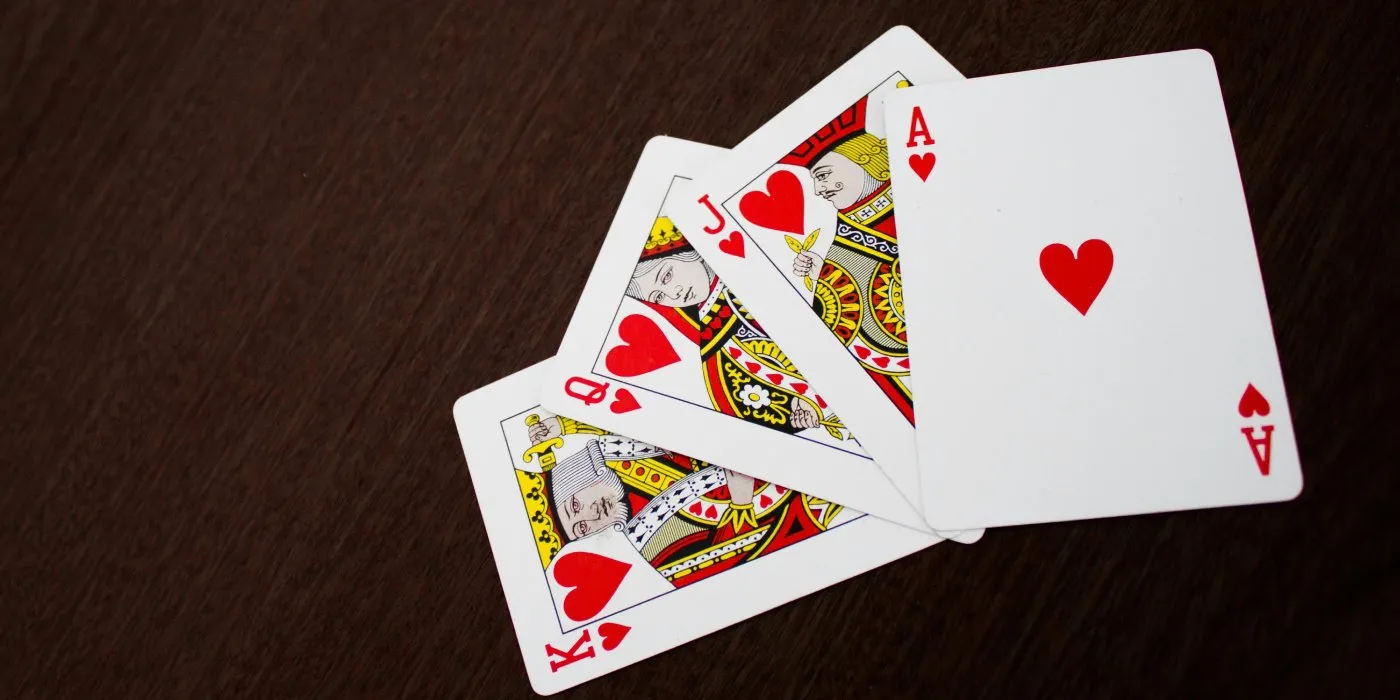
Whether it means drafting a deck for Legends of Runeterra or wagering on a sporting event, players face decisions with a combined amount of skill and chance. Many try to enhance their tactics while keeping the play fun and sustainable.
This article examines calculated moves, risk methods, setting personal limits, and adjusting to experience. The first step is to understand how strategy is involved in every decision players make.
Strategic Thinking in Every Move
Every draw and bluff in card games entails calculated selections. Sports betting decisions are based on player performances, their statistics, and coin tosses. Strategy is a mediator between all of it - the one thing that guides the mind rather than the heart.
You’ll find all the resources here explaining the games, the odds, the house edges, the bonus structures, and the way betting works. Such comprehensive guides focus on blackjack, roulette, slot mathematics, and probability in how outcomes are determined, so that players can appreciate when skill enters in and when it is pure chance.
Analyze, predict, and adapt: these are the demands of a winning card strategy, and the same applies when it comes to placing a wager intelligently. Planning and maintaining calm under duress are imperative in either case.
The best strategies show equal parts ambition and reservation so that every move is drawn from a deliberate state of consideration instead of hitting a spur-of-the-moment impulse. Strategic thinking also encourages patience; akin to you waiting it out for the perfect card, you will also benefit from holding out for accurate information.
By viewing every decision, every move, as a conscious choice instead of a reaction, an enhanced awareness is developed by both players and bettors. This perception will not wipe out risk; rather, it will keep the risk within reasonable limits, allowing the game to remain exciting without evolving into excess.
Managing Risk Responsibly
Every choice in gaming or betting entails a risk. To manage risk, you should understand probability and set your expectations accordingly. According to the GamblingHarm organization in 2024, almost 80% of respondents from online sports bookmakers believed they would always be able to consistently profit, a belief that rarely coincides with reality. This overconfidence leads to risky bets, in turn, creating more losses.
The International Journal of ScienceDirect published a report in 2024 stating that 1.29 per cent of adults tend to show signs of problem or pathological gambling. Another study by UC San Diego stated that 96% of online gamblers lose money over time, and only 4% maintain ongoing profits. These figures show that the risk can never be properly eliminated; it needs to be accounted for and managed.
Responsible gaming and betting start with knowing the odds. A player who studies probability can base decision-making on it, either in assessing a hand or foretelling a result in matches. Stating beforehand a limit for spending time or money is also helpful in keeping away from impulsive behaviors. Outcome viewing as a long-term process casts discipline instead of having to win every time in a single match.
In both gaming and gambling, accepting loss as part of the process prevents frustration and poor decision-making. Risk management does not remove uncertainty, but it turns uncertainty into a controlled part of the experience.
Setting Personal Limits
The concept of setting limits is the foundation of sustained enjoyment and well-being. The earlier you specify the time and money you can spend during the game, the more entertaining and comfortable it will be. Many online gaming and gambling sites now feature options for players to take control: these include deposit limits, cooling-off periods, and session timers.
The Guardian in 2025 states that approximately 1.4 million adults in the UK and almost 2.7 per cent of the population have gambling problems. This shows that personal limits are not just useful but are necessary. Without limits, the competitive and unpredictable nature of games can encourage overcommitment and emotional decisions.
A practical approach involves deciding on the amount of loss that can be absorbed, usually because of its harmlessness, and a fixed time period for play is set. When frustration levels rise or else ability to concentrate weakens, it is time to stop. In the world of card players, this implies walking away after a losing streak; for bettors, it may imply taking a break after a grueling weekend of sports.
Limits are established to ensure fun. Whatever starts out as fun can very well turn into a chore when the game becomes an obligation. By consciously subjecting time and money to limits, you can preserve your spirit for the game and keep perspective on it.
Learning Through Reflection
Reflection fortifies strategy and safety. After each game or wager, a review of the processes should identify where logic gave way to emotion. Keeping a record of plays, wagers, and reasoning helps identify behavioral patterns; for example, whether you raise stakes after a loss or act on impulse after a win.
Reflection brings awareness to tactics, the choices made in deck-building, and decision-making under pressure in card games. In sports betting, however, it highlights whether the decisions were made with data in hand or by relying on emotion. Gradually, this process turns both pursuits of effort into endeavors for self-growth.
According to data published in 2024 by CBS Research, if individuals often evaluate their decision-making, the trait of self-control is more likely to be kept intact, and they are less prone to take needless risks. Reflection turns each session into feedback, promoting an ambience of balance and patience; success then becomes less about the actual end product and more about the utter consistency and quality of decisions made.
During the experience, you, as a player, will learn that mistakes are valuable. A bad hand or misplaced bet will teach discipline and analysis. Through reflection, limits, and awareness, gaming and gambling can remain just for fun, as it is intended to.
Comments
No comments yet
Be the first to share your thoughts!