
Every match in FC 26 Ultimate Team feels like a contest of nerves as much as one of skill. It is chess at sprint speed, where every pass opens doors and dangers at the same time. Exploring bonuses at top gaming hubs like Spinmama casino can be eye-opening for Slovaks, but virtual football offers its own jackpot moments. Whether choosing a pricey striker on the transfer market or deciding to gamble on a power shot from thirty yards, the same question echoes: Is the potential reward worth the possible loss? Understanding how to measure that question is the secret sauce behind elite squads. This article breaks down the concept into four simple areas anyone can master. By the end, managers will know when to push forward, when to hold back, and how to turn tiny advantages into match-winning momentum. Ready to trade anxiety for smart confidence? Let’s dive in.
Understanding Risk and Reward Mechanics
Before a manager ever tweaks formations or bids on the market, it helps to grasp how FC 26 measures risk and reward under the hood. Every action in Ultimate Team carries a probability curve. Low-risk passes across the back line succeed almost every time, but they seldom lead to clear chances. High-risk through balls, skill moves, or aggressive pressing can steal goals, yet a single mis-timed input can leave the defense scrambling. The game’s new Momentum Engine accentuates these swings. A correctly timed tackle can boost team chemistry for several in-game minutes, while a failed tackle chips away at stamina and morale. Looking at the pitch as a board of probabilities pushes a player to ask “what is the downside?” before clicking the button. By rating each option on a simple scale from safe to daring, coaches can remove guesswork and make cleaner choices. Mastery starts with seeing numbers, not just animations in real time.
Building a Balanced Squad
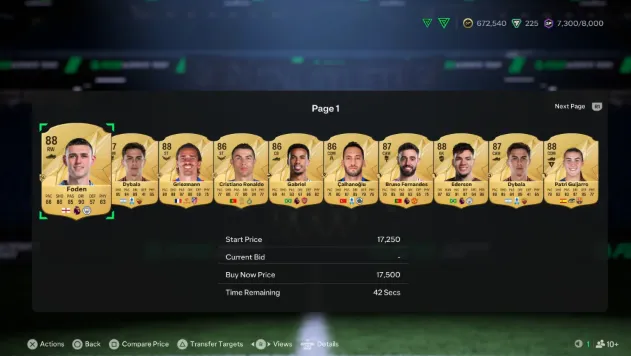
Squad building is where risk and reward show up in the bank account. Splurging all coins on one superstar creates an explosive highlight reel but leaves holes everywhere else. Veterans of FC 26 instead divide their budget using the 50-30-20 rule: fifty percent on core starters, thirty percent on impact substitutes, and twenty percent on speculative prospects who might explode in value. Chemistry links also deserve careful weighing. Pairing two midfielders from the same league is a low-risk choice that guarantees green lines, yet it may cap the squad’s ceiling. Mixing leagues to fit a five-star skiller can unlock breathtaking plays, though the chemistry hit can slow the whole side. Smart managers hedge by surrounding a high-risk card with dependable role players boasting high stamina and work rates. This way, if the gamble fails, the team can still grind out a draw. Balance is not boring; it is an insurance policy that pays out weekly.
Smart In-Game Decisions
Once kickoff arrives, squad value matters less than the buttons pressed in minute-to-minute play. FC 26 rewards managers who think two passes ahead. Consider the popular fake shot cancel. Used in the box it can freeze defenders and open a near-post finish, but spamming it at midfield is an invitation for dispossession. Experts apply a “one high-risk action per build-up” guideline. After a roulette or elastico, they settle down with safe passes until the defense resets. Substitutions share the same logic. Burning all three changes before the 60th minute may earn an early burst of energy, yet leaves no safety net for red cards or extra time. Conversely, waiting too long risks tired legs conceding late. The key is to balance timing: one fresh winger at halftime and two flexible picks around the 75th minute. By pacing daring moves and resources, managers keep their opponents guessing while never leaving the back door wide open.
Using Market Strategies to Stay Ahead
The transfer market in Ultimate Team is a digital stock exchange where fortunes grow overnight or vanish in an hour. Successful traders merge low-risk income streams with selective high-risk flips. Bronze pack method, for instance, is tedious but safe; opening cheap packs and selling consumables yields steady coins with almost zero downside. Those coins become the cushion for bolder plays, such as sniping an out-of-packs promo card at 3 a.m. and relisting it on Saturday when demand spikes. Timing these moves around Weekend League is crucial. Prices rise on Thursday as players finish Rivals rewards, dip on Friday afternoon, and surge again right before first matches. A simple spreadsheet to track buy and sell points transforms random guesses into calculated gambles. Equally important is emotional control. Refusing to panic sell after a market crash keeps losses paper-thin. When risk is backed by data and patience, even average managers can bankroll upgrades that turn close games into easy wins.
Comments
No comments yet
Be the first to share your thoughts!