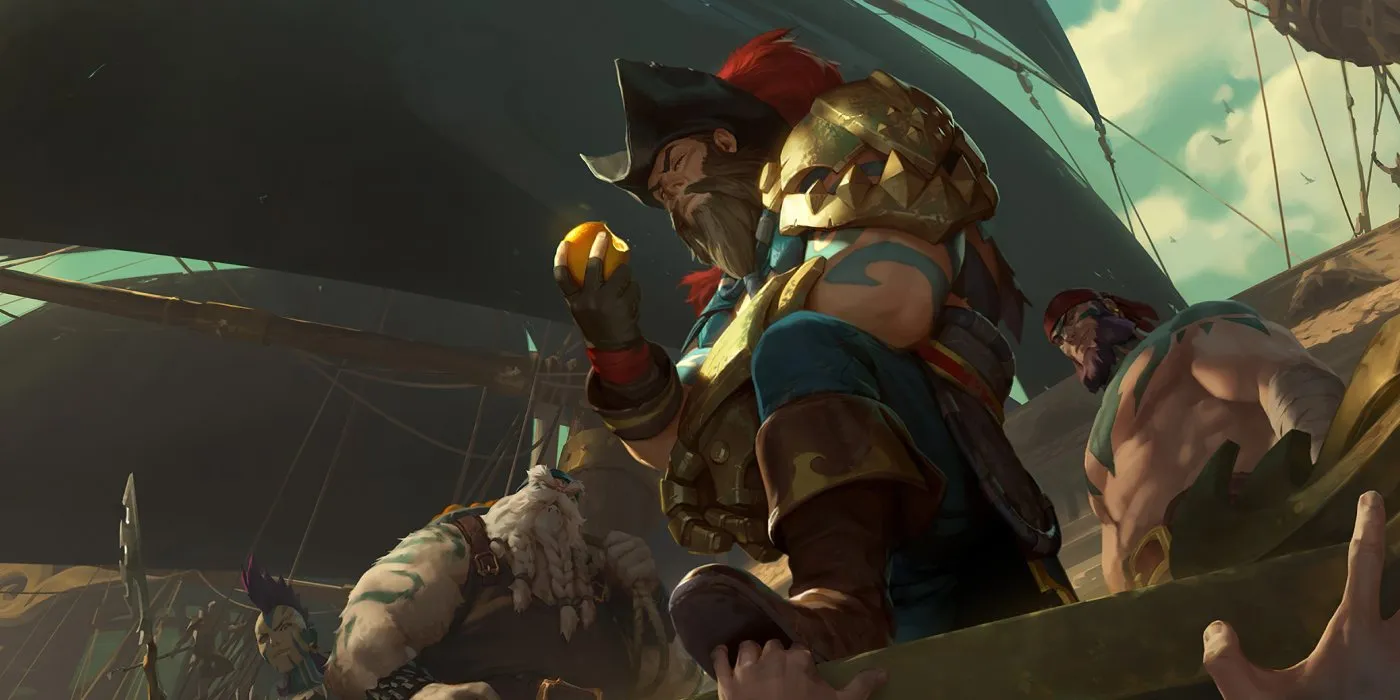
If you’re looking for a readable overview of Bilgewater champions and what makes the region tick, start with this article on LoLNow: Bilgewater champions. It’s a clean hub you can use as a “home base” whenever you’re checking lore, champions, or region context without getting lost in a wiki spiral.
Bilgewater is one of those places in Runeterra where the vibe is instantly clear: salty air, bad deals, sharp smiles, and danger that doesn’t care if you’re a legend or a random dockworker. As LoLNow phrases it: “Bilgewater is League of Legends’ pirate port city – a place where quick money and quick deaths share the same dock.”
What Makes Bilgewater Different From Other Regions?
Most regions in League have some kind of “system” behind them: a crown, a council, a code, an army. Bilgewater runs on something simpler and scarier: leverage.
LoLNow captures the setting in a way that’s easy to remember: “Up close, it’s a city run on deals, grudges, and survival.” That’s Bilgewater in one line. The city isn’t lawless because it lacks rules—it’s “lawless” because the rules change depending on who has the bigger crew, the better intel, or the nastier reputation.
A few core pillars that define Bilgewater lore:
- Piracy and smuggling as normal commerce, not an exception
- Sea monster hunting as real industry (and a real death sentence)
- Faith and fate colliding through the Buhru and Nagakabouros
- The Black Mist / Harrowing showing up like a seasonal disaster you can’t ignore
If you want official canon presentation, art, and biographies, the best starting point is League of Legends Universe. For game updates and official announcements, keep League of Legends bookmarked.
The “Must-know” Bilgewater Champions (In Plain Language)
Bilgewater’s champion roster is iconic because it covers the whole ecosystem of the region—pirates, predators, priests, hustlers, and monsters.
Here’s a fast, non-exhaustive “what they represent” snapshot (not a full lore breakdown):
- Miss Fortune: power with a smile; control through pressure and momentum
- Gangplank: brute authority and old grudges that refuse to stay buried
- Pyke: Bilgewater’s fear of the deep made personal
- Illaoi: faith as a test; motion, truth, and spiritual violence
- Nautilus: the ocean collecting its debts
- Twisted Fate + Graves: crime, charm, and chaos with a long memory
- Fizz: myth and menace in equal measure
- Tahm Kench: bargains that sound good right until they aren’t
If you want the full champion list plus how each one ties into the region, LoLNow lays it out clearly (with extra connections many people forget).
The Lore Hooks that Explain “Why Bilgewater Matters”
You don’t need to read everything to understand Bilgewater’s big narrative gravity. These story pillars are enough to make the region click.
Burning Tides and the Fight for CControl
Bilgewater’s power structure is unstable by design, and one of the most famous turning points is Gangplank’s fall and Miss Fortune’s rise. LoLNow sums up the problem with “winning” Bilgewater nicely: replacing a tyrant doesn’t magically create peace—it just changes who people fear.
The Harrowing and the Black Mist Threat
Bilgewater’s location makes it feel like the frontline whenever the Shadow Isles get loud. LoLNow highlights that Bilgewater is often hit early when the Mist spreads, which forces enemies into temporary alliances. That’s part of why the region feels harsh but strangely resilient.
Buhru Faith and Nagakabouros
Bilgewater lore gets richer once you understand the spiritual backbone of the Serpent Isles. LoLNow describes the Buhru as essential to the city’s identity, not just background flavor—and it makes Illaoi’s role feel less like “random tentacles” and more like a worldview.
If you want the official presentation of region lore across Runeterra (including Bilgewater), League of Legends Universe is the cleanest canonical hub.
Where to Read More Without Getting Lost
If you’ve ever tried to “quickly” read lore and somehow ended up with 17 tabs open, here’s a simple source stack that keeps things focused:
- For an easy Bilgewater-focused hub with champions, history, locations, and FAQs: Bilgewater champions
- For official canon bios, short stories, and art direction: League of Legends Universe
- For official announcements, game news, and major updates: League of Legends
- For client issues, service topics, and support articles: Riot Support
That combination covers both “readable overview” and “official source of truth,” without forcing you into a lore rabbit hole every time you just want a quick answer.
How to Use Bilgewater Lore In-game (Without Roleplaying in All-chat)
You don’t have to be a lore grinder to get value out of region context. Here are a few practical ways Bilgewater lore actually helps:
1) Champion Identity Becomes Easier to Understand
Once you frame Bilgewater as a city of leverage, certain kits and themes feel more intentional: Pyke as paranoia, Nautilus as debt, Illaoi as trials, Miss Fortune as control through momentum.
2) Your Duo or Clash Theme Can be Cohesive (And Memorable)
Bilgewater has built-in pairings and rivalries that are easy to build around for fun comps, themed picks, or just a bit of extra motivation to spam a champion for a week.
3) You’ll Catch References Riot Keeps Reusing
Bilgewater shows up constantly in voice lines, skins, cinematics, and events. Knowing the core themes helps you recognize what Riot is pointing at when they drop a hint.
LoLNow also nails the “street level” feel of the region: “In Bilgewater, the tides shift daily… and nobody stays on top without paying a price.” That’s basically the region’s rulebook.
The Best Way to Explore Bilgewater is With One Good Hub
Bilgewater is dense in the best way: it feels like a real place because it has economy, superstition, politics, faith, and monsters all colliding in the same harbor.
If you want the full breakdown without it turning into an all-day project, use LoLNow’s guide as your anchor point and branch out only when you need the official deep canon pages.
Leave a Comment