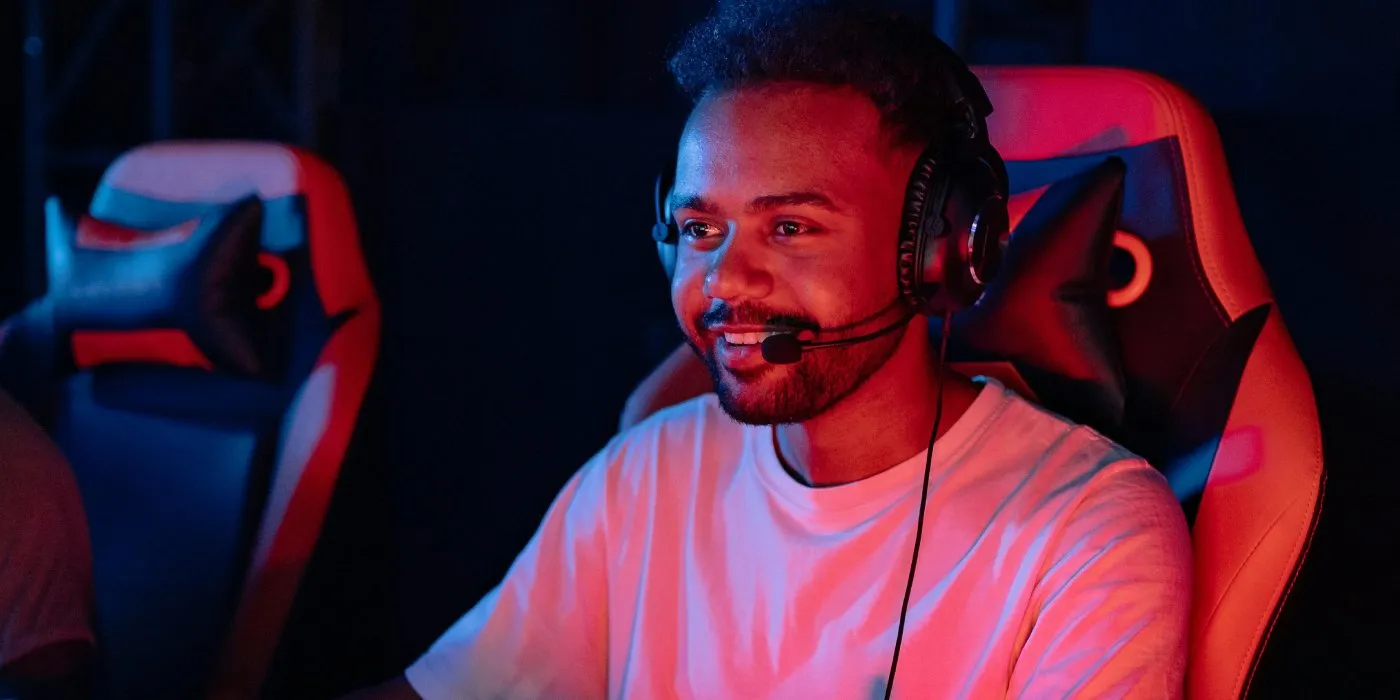
Online gaming has changed fast over the last decade. What once felt turn-based, delayed or solitary now feels instant and social. You log in and something is already happening. Someone is streaming, a table is open or a match is about to start. You are no longer waiting for the experience to begin; you are stepping into it.
That shift is not accidental. Live formats are quickly becoming the standard across online gaming and digital entertainment because they match how you already spend time online. Real-time, interactive and always on.
From static play to real-time participation
Traditional online games were built around solo sessions or turn-based play. You played when you had time and others joined later. Feedback came slowly, if at all.
Live formats flip that model. Everything happens now. You react in the moment, other people are present and your choices feel more meaningful because the experience moves forward, whether you act or not.
This shift toward real-time interaction can also be seen outside traditional video games, including streamed live blackjack tables and other casino formats, which rely on live video and human dealers to create always-on experiences. The appeal is simple and live feels real.
Always On Means Always Engaging
One of the biggest strengths of live formats is that they never feel empty. When you log into a live environment, something is already happening. A dealer is shuffling cards, a host is talking to viewers or other players are making decisions. You are joining an ongoing flow, not starting from zero.
That matters because attention is fragile; if nothing happens in the first few seconds, you leave. Always-on formats solve that problem by design. There is no dead air or waiting screen that feels lifeless. You are dropped straight into activity.
This is why live formats are spreading beyond gaming. You see it in live shopping, live fitness classes and live podcasts. People want experiences that feel shared and immediate.
Streaming Technology Changed Expectations
High-quality streaming is no longer a novelty. It's the baseline. Platforms like Twitch and YouTube trained audiences to expect smooth video, low latency and constant engagement. When you watch someone play, you expect to interact, you expect chat and you expect reactions in real time. Once those expectations are set, static formats feel flat.
Human Presence Still Matters
For all the talk about automation and AI, live gaming shows how much human presence still matters. Seeing a real person on screen changes how you behave. You pay more attention, stay longer and feel more accountable for your choices.
Live casino formats are a good example. The presence of a real dealer, reacting in real time, creates trust and tension that random number generators cannot replicate. It feels closer to a physical space, even though you are playing from home. That same principle applies to multiplayer games with live hosts, moderators or streamers. Human energy carries the experience forward.
Interaction Keeps You Invested
Why do people stay longer in live environments? Because they are part of the outcome. Live chat, real-time decisions and visible reactions create a feedback loop. You act, something happens and others respond. You react again.
That loop is powerful. It's the same reason live sports attract huge audiences. Anything can happen, and you are there when it does.
Technology Finally Caught Up
For years, live gaming was limited by lag, poor video quality or unstable connections. That barrier is largely gone. Faster internet speeds, cloud infrastructure and mobile optimization mean live experiences now work smoothly across devices. You can jump into a live game on your phone, tablet or desktop without friction.
This matters because convenience drives adoption. If live formats were clunky, they would not scale. Now they do. You see this reflected in user behavior. Platforms offering live features report higher session times and stronger retention compared to static alternatives.
What This Means for the Future of Online Gaming
Live formats are not replacing traditional games. They are reshaping expectations.
Players now expect:
- Real-time interaction
- Human presence or hosting
- Continuous activity
- Social layers built into the experience
If a platform feels silent or static, it risks feeling outdated. For developers and operators, the takeaway is clear. Designing for live is no longer optional. It's part of competing in a crowded digital space. For players, the benefit is simple. More engaging experiences that feel closer to real life, without losing the convenience of being online.
Live Gaming is Here to Stay
Live formats work because they align with how you already live online. You scroll, watch and chat in real time. Gaming is simply catching up to this. Whether it's multiplayer games, live-hosted experiences or streamed live blackjack tables, the direction is the same. Always on, always interactive and always human. And once you get used to that level of engagement, it's hard to go back.
Comments
No comments yet
Be the first to share your thoughts!