Online casinos didn’t start out flashy. Early versions copied real-life casinos almost too closely. Same slots, same tables, same slow pacing. You logged in, placed a bet, waited, and hoped for the best. That was pretty much it.
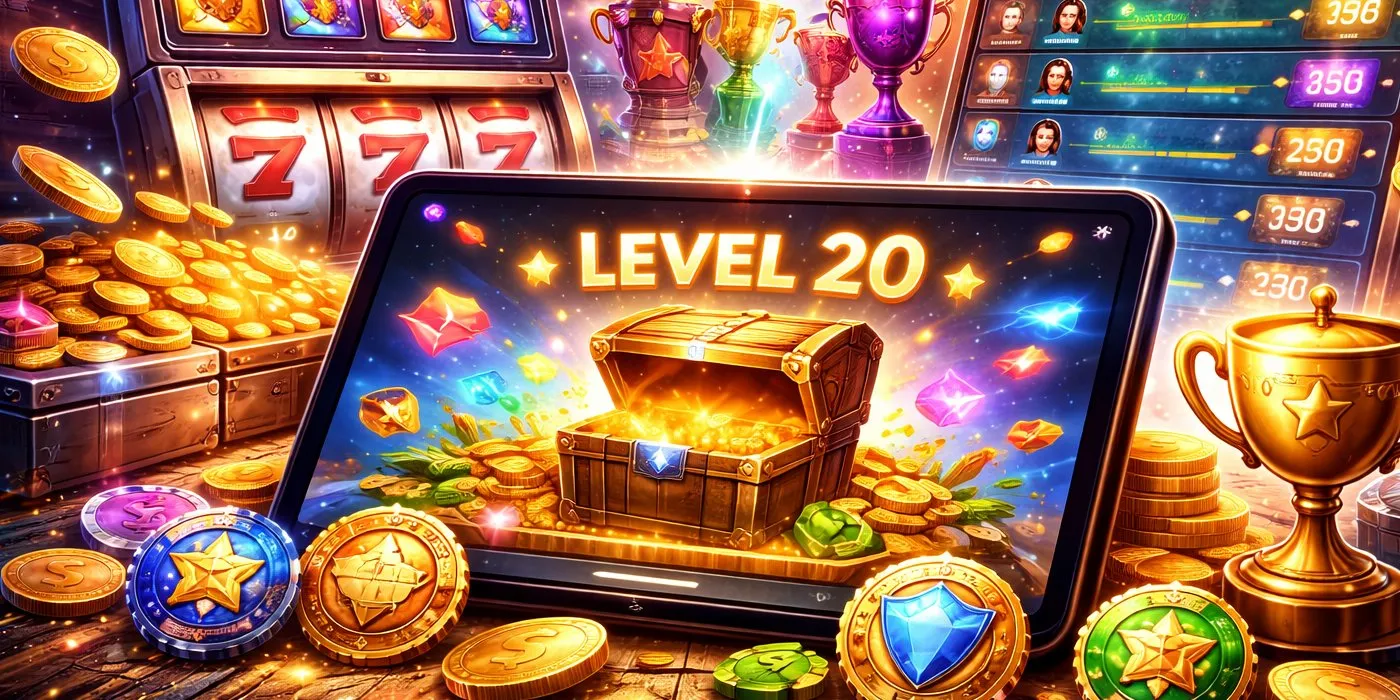
That has changed. Modern online casinos look and feel completely different, and gamification is the reason. By blending casino mechanics with video game-style features, platforms turned traditional gambling into something a lot more engaging.
Gamification Isn’t Just a Buzzword
Gamification means adding game-like elements to non-video-game environments. Things like levels, progress bars, achievements, missions, and leaderboards have become standard features in slots, crash games, and even table games.
Instead of just betting and waiting for an outcome, players now have objectives. There’s something to unlock, something to complete, and something to work toward. The odds behind the games stay the same, but the experience feels completely different. It’s more active and more social.
For players who grew up on consoles, mobile games, and online multiplayer experiences, this change feels natural.
Why Casinos Leaned into It
Casinos have always tried to keep players engaged. In the past, that meant flashy graphics and bonus offers. Now, gamification does most of the work.
Unlocking a new level or completing a challenge feels the same as clearing a stage in a game. Even during losing streaks, players still feel like they’re making progress. That sense of advancement matters more than it might seem.
It’s also why popular casino operators will continue including these in their platforms. Playing isn’t just about money anymore. It’s about interaction and how rewarding the experience feels.
Turning Slots into Adventures
Slot machines show this change better than anything else. What used to be a simple spin now often comes with a storyline. Modern slots feature mini-games, unlockable content, and tasks that show up as you play.
Wins and losses both move players forward. Unlocking a new feature or opening a bonus chest can feel just as satisfying as hitting a jackpot. That makes the experience feel less random.
It also explains why younger audiences like these games. The line between video games and casino classics is getting thinner by the year.
Achievements and Badges
Achievements and badges are a huge part of gamification. Players earn them by completing tasks, hitting milestones, or achieving specific outcomes. They don’t have any monetary value, but they still matter.
Badges show experience and commitment. Many platforms display them on player profiles or rankings, turning progress into something visible. Even when players aren’t winning cash, they’re still getting recognition, which keeps them engaged.
Leaderboards Made Casinos Competitive Again
People like to compete. Online casinos now rank players based on points, bets, or wins. Rewards can range from cash and bonuses to simple recognition.
Seeing your name climb a leaderboard changes how the game feels. Every spin suddenly matters. Add in chat features, and casino games stop feeling like solo experiences. Players can now talk about strategy, celebrate wins, and complain about losses together.
Daily Missions Give Players A Reason to Log In
Missions, tournaments, seasonal events, and challenges are designed to keep things fresh and exciting. Daily and weekly objectives ask players to try specific games or complete simple tasks in exchange for rewards. Since challenges change, players have a reason to return regularly.
They also encourage trying out new things. A player might try a game they’ve never even heard of before just to complete a mission.
Levels, Loyalty Systems, and Progress
Progression systems feel instantly recognizable to gamers. Every bet earns points. Points fill progress bars. Progress bars unlock new levels or ranks. Higher levels often come with bigger bonuses or perks, but sometimes just seeing the progress bar is enough.
It’s the same thing that keeps people playing games late at night just to finish one more level. Progress feels good, and casinos have learned how to use that feeling.
Social Features Changed Everything
Gamification added a social layer that online casinos never really had before. Chat rooms, group challenges, team competitions, and forums let players interact beyond the games themselves.
Over time, casual chats turn into familiar conversations. Just like in online gaming communities, real connections form. That sense of belonging makes platforms harder to leave.
Balancing Engagement with Responsibility
More engaging games also bring challenges. Longer play sessions raised concerns around balance and well-being. That’s why responsible play became part of the discussion.
Some platforms now track healthy playtime, remind players to take breaks and even reward them for it. Gamification isn’t going away, so it’s important to find a balance between fun and safety.
Where Gamification Goes from Here
Gamification benefits both players and platforms. It drives engagement, builds loyalty, and keeps experiences feeling fresh. Features like achievements and leaderboards cost little compared to their long-term value.
Mobile gaming pushed casinos to develop even faster. Players expect fast loading, bright visuals, and quick interactions that fit busy schedules. As technology evolves, even more game-like elements are expected. Virtual and augmented reality are already being explored, pushing casino games deeper into gaming territory. Gamification isn’t just a trend anymore. It’s part of how online casinos operate.
Comments
No comments yet
Be the first to share your thoughts!