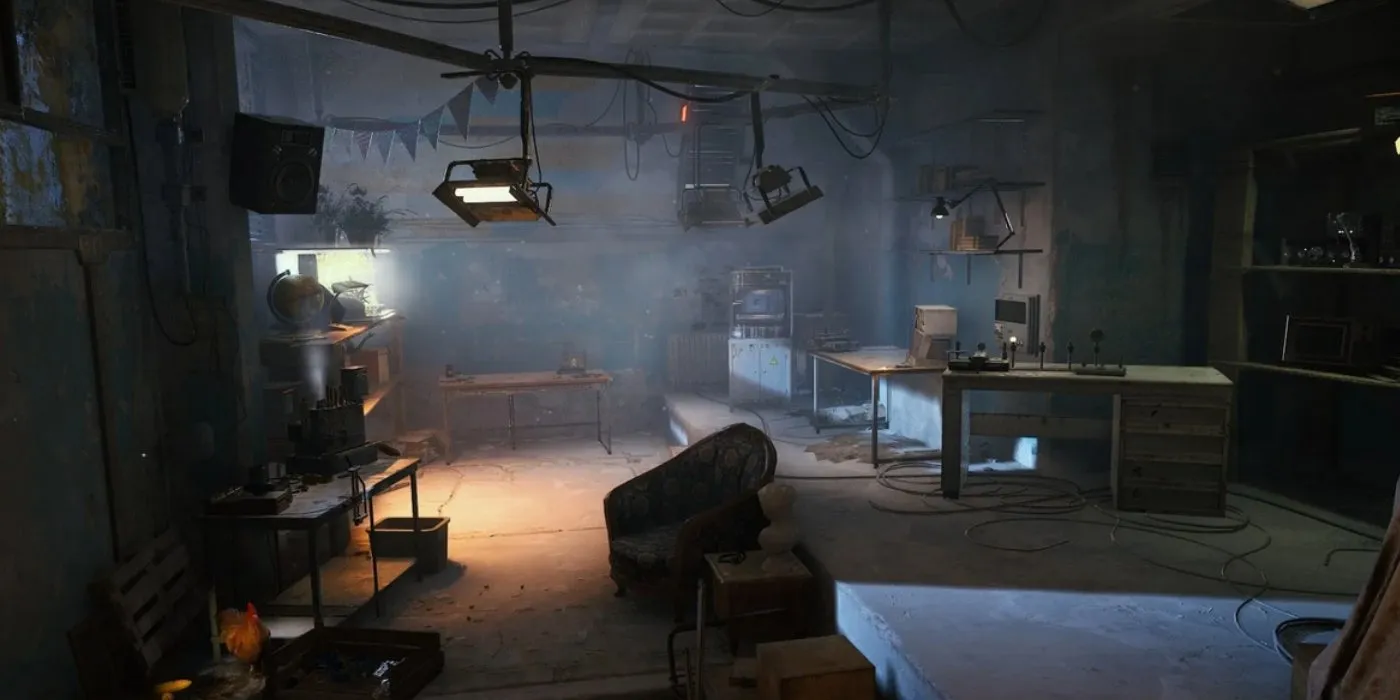
Arc Raiders separates itself from other extraction shooters through its blueprint system—a crafting and progression mechanic that fundamentally changes how players approach risk, reward, and long-term planning. Rather than relying purely on lucky drops or extraction successes, the blueprint system gives you agency over your loadout development. This creates a progression path that respects both the hardcore grinder and the casual player who can't invest eight hours daily into a game.
What Blueprints Actually Do
Blueprints serve as permanent recipes for crafting gear and equipment. Once you acquire a blueprint, you own it forever. Death doesn't take it away. Failed extractions can't remove it from your collection. This permanence provides the backbone of progression in a genre where losing everything can feel devastating.
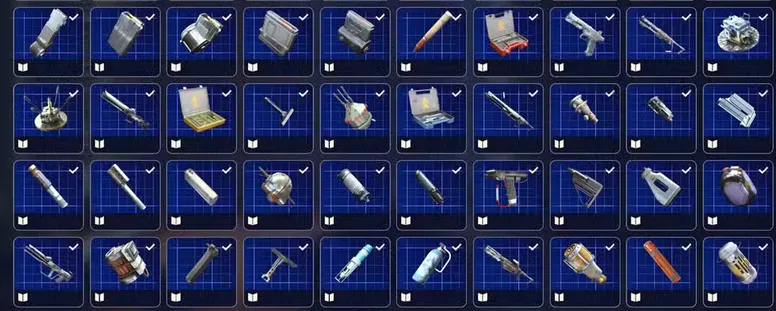
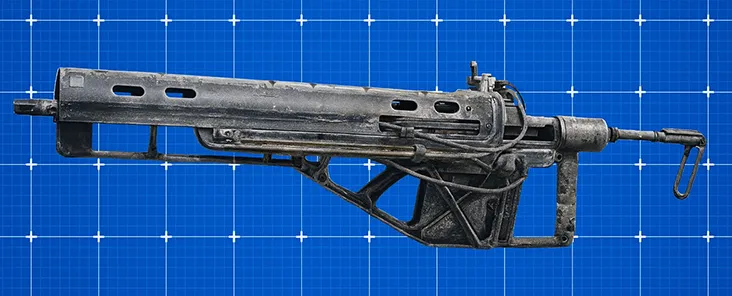
Each blueprint corresponds to a specific piece of equipment—weapons, armor pieces, gadgets, or consumables. Finding the blueprint for an assault rifle means you can now craft that rifle whenever you have the required materials. You're no longer at the mercy of random loot spawns or hoping another player drops the weapon you need.
The crafting process itself requires resources gathered during raids. Scrap metal, electronic components, rare minerals, and specialized parts all feed into your workshop. This creates a feedback loop: raid to gather materials, craft equipment with those materials, use that equipment to access harder areas with better resources, craft even stronger gear, and repeat.
Finding Blueprints in the Field
Blueprints drop from multiple sources, each with its own risk-reward calculation. High-value containers scattered across the map might contain rare blueprints, but these locations attract both players and aggressive machine patrols. Reaching them means fighting through danger, and extracting with your find requires surviving the trip back.
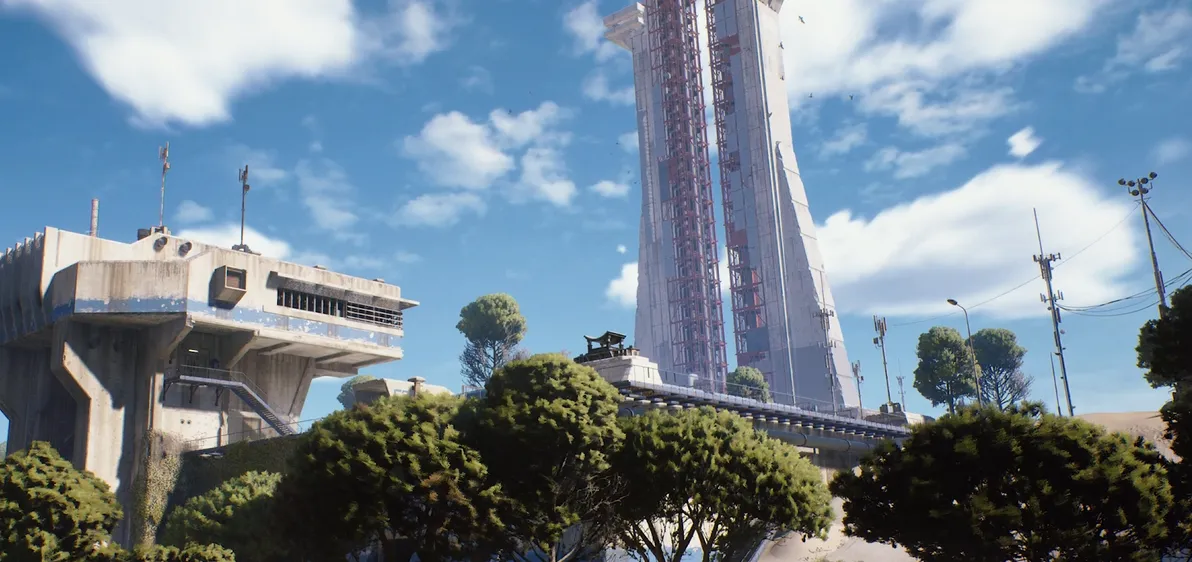
Machine enemies also drop blueprints, particularly the more dangerous variants. Taking down a heavy walker or a specialized combat unit might reward you with the blueprint for its signature weapon technology. This encourages players to engage with the PvE content rather than avoiding it entirely—those robots aren't just obstacles, they're opportunities.
Boss encounters provide guaranteed blueprint rewards, though these fights test your squad's coordination and gear quality. Knowing a blueprint waits at the end gives concrete motivation to tackle difficult content rather than playing it safe with low-risk extractions.
Some blueprints come from mission completions or faction reputation milestones. These progress-gated unlocks ensure that even players with terrible RNG eventually access the equipment they need. You might not find the blueprint you want immediately, but you can work toward it through consistent play.
Rarity Tiers and Specialization
Not all blueprints offer equal value. Common blueprints craft basic equipment that gets you started but won't compete in high-tier areas. Rare blueprints produce specialized weapons with unique characteristics. Legendary blueprints represent the apex of the crafting system—powerful, expensive to produce, and game-changing when deployed correctly.
This tiering creates clear progression milestones. Your first uncommon weapon blueprint feels like a real upgrade. Finding your first rare blueprint marks your transition into mid-game content. Acquiring a legendary blueprint becomes an event worth celebrating, something you build entire loadouts around.
Specialization enters through blueprint modifications and variants. The base assault rifle blueprint might be common, but finding variants that modify fire rate, damage type, or handling characteristics lets you customize toward your playstyle. Two players with the same base blueprint can craft meaningfully different weapons based on which variants they've discovered.
Resource Management and Economics
Crafting creates an internal economy separate from direct player trading. Resources have value because they enable crafting. Finding rare materials during a raid means you're closer to producing that legendary armor piece you've been working toward. This gives meaning to items beyond their immediate combat utility.
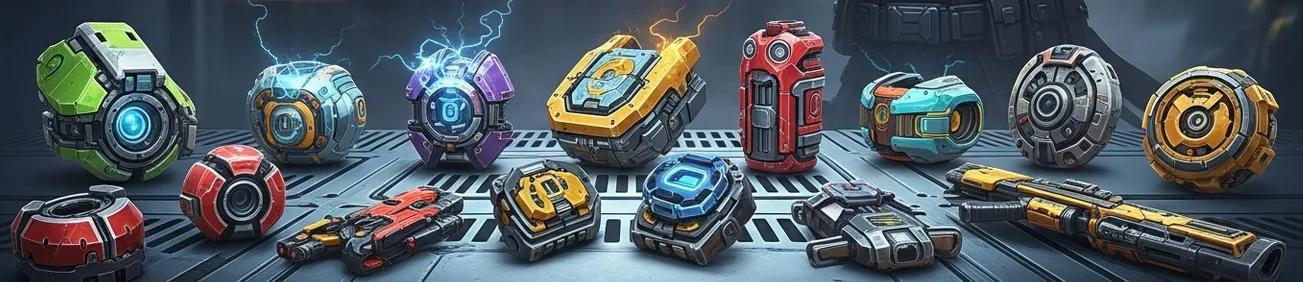
The economy also enables specialization among players. Someone who focuses on farming specific resources can trade those materials to players who need them, while specialists in blueprint discovery can share or trade duplicate finds. This interdependence builds community connections beyond just squad-based gameplay.
ARC Raiders blueprint and the resources they require create trading opportunities for players who want to accelerate their progression. Whether you're hunting specific blueprints to complete your collection or gathering materials for your next crafting session, the system provides clear goals that survive individual raid outcomes.
The Insurance and Risk Mitigation
One of the blueprint system's cleverest aspects is how it mitigates extraction shooter frustration. Losing your best weapon in a failed raid stings less when you can simply craft another one. Yes, you'll need to gather the resources again, but the knowledge that you can rebuild softens the blow of failure.
This creates healthier risk-taking behavior. With traditional extraction shooters, many players hoard their best gear, too afraid to use it for fear of permanent loss. Arc Raiders' crafting system encourages you to actually deploy your good equipment because you know it's replaceable. You're more likely to push for high-value extractions when failure doesn't permanently set you back.
The system also enables experimentation. Found a blueprint for an unusual weapon type? Craft one and try it out. If it doesn't suit your style, you've lost some resources but gained knowledge. This trial-and-error process helps players discover builds and playstyles they might never have attempted if each piece of gear was irreplaceable.
Progression Curves for Different Player Types
Blueprint systems accommodate varied play patterns. Hardcore players who raid constantly accumulate blueprints and resources quickly, crafting high-end gear within weeks. Their progression feels fast and rewarding, matching their time investment.
Casual players progress more slowly but still move forward consistently. Each play session brings resources and the possibility of blueprint discoveries. Even a single successful raid per week contributes to your collection. The permanent nature of blueprints means your progress never reverses—you might not advance quickly, but you're always advancing.
This flexibility keeps both audiences engaged without forcing one progression speed on everyone. The game respects that players have different amounts of time and different skill levels without making either group feel punished for their circumstances.
Strategic Depth in Loadout Planning
Blueprints introduce pre-raid strategy that goes beyond "bring your best stuff." You can plan loadouts around specific objectives. Need to farm resources from a particular area? Craft mobility-focused gear that helps you get in and out quickly. Planning to contest a boss spawn? Produce heavy armor and high-damage weapons designed for prolonged fights.
This planning phase becomes part of the game's loop. You return from a raid, assess what worked and what didn't, craft improvements based on available blueprints, and deploy with a refined strategy. Each cycle teaches you more about the game's systems and your own preferences.
The crafting cost of different items also factors into decision-making. Using legendary equipment for a low-risk resource run wastes valuable materials. Deploying minimal gear for a high-value extraction attempt courts disaster. Finding the right balance between investment and expected return adds a strategic layer that extends beyond the raids themselves.
Blueprint Completionism and Collections
The blueprint system naturally encourages collection. Completionists can hunt for every blueprint in the game, pursuing rare variants and specialized equipment they might never actually craft. This collection aspect provides endgame motivation beyond just farming the most powerful gear.
Some blueprints unlock entire equipment trees. Finding the base SMG blueprint might open paths to specialized SMG variants, each requiring its own blueprint discovery. This progression structure gives you clear goals to work toward and a sense of mastery as you complete weapon families.
Collections also serve as status symbols. Rare blueprints in your inventory show expertise and dedication. Other players recognize when you're using gear that requires difficult-to-obtain blueprints, creating informal prestige hierarchies based on knowledge rather than just combat skill.
The Long-Term Vision
Blueprint systems provide staying power that loot-only games struggle to maintain. There's always another blueprint to find, another crafting milestone to reach, another equipment variant to test. This forward momentum keeps players engaged across seasons and content updates, providing consistent goals that survive individual raid outcomes.
The system also allows developers to introduce new equipment gradually without destabilizing the game. Adding new blueprints expands player options without invalidating existing gear or forcing everyone onto a single meta. This flexibility should keep Arc Raiders feeling fresh as it matures, adapting to player feedback while maintaining its core identity.

Leave a Comment