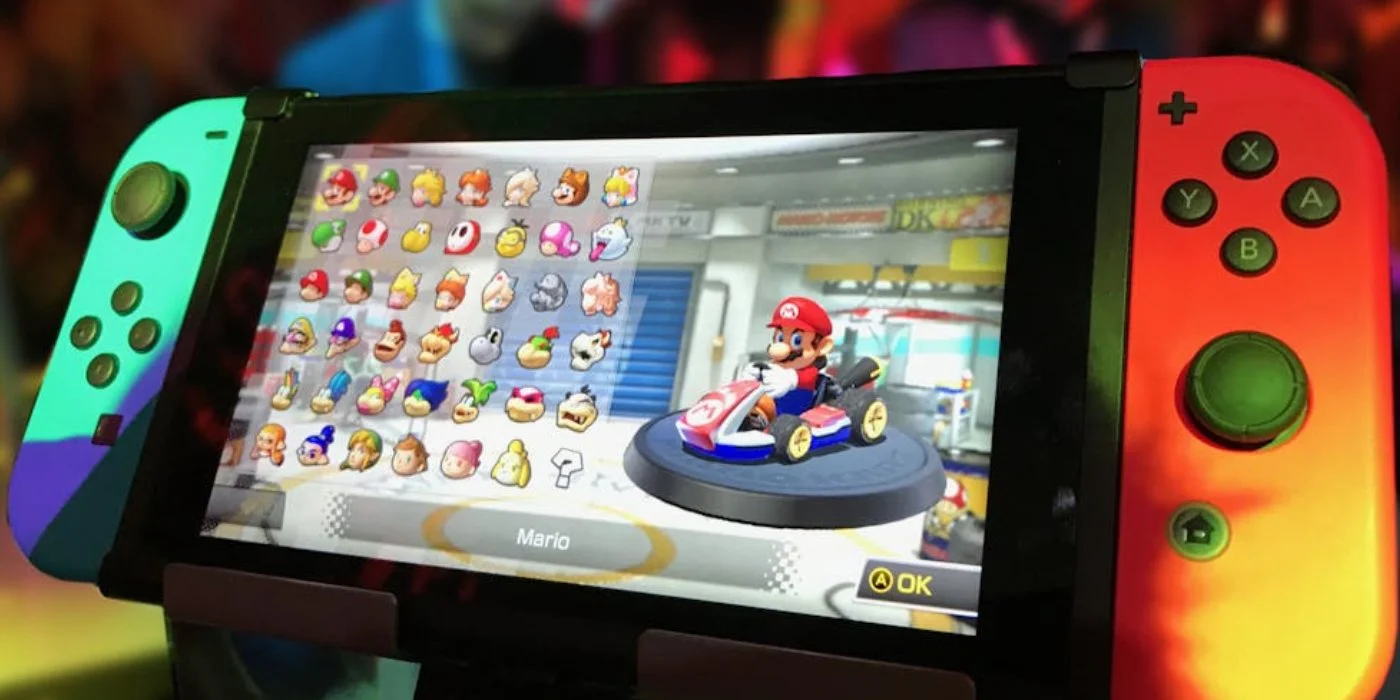
Crypto and gaming have been creeping closer together for years, but the question most players actually want answered is a practical one: can you use Bitcoin or Ethereum to buy games on Nintendo eShop, PlayStation Store, or Steam? The short answer is not directly. However, there are real and well-established workarounds that make it entirely possible.
The process works in two steps. You first convert fiat currency into crypto using a trusted exchange, then use that crypto to buy gift cards from third-party services that fund your gaming accounts. Platforms like switchere.com, a licensed exchange supporting dozens of coins, let you buy Bitcoin, USDT, Ethereum, and more with a Visa or Mastercard in minutes, which makes that first step quick and accessible for anyone.
The State of Crypto on Major Gaming Platforms
None of the three platforms currently accepts cryptocurrency as a direct payment method. Nintendo eShop, PlayStation Store, and Steam all rely on traditional options: credit and debit cards, PayPal, and prepaid cards, for example, Paysafecard. That said, each one can be funded indirectly via crypto-purchased gift cards, and this remains the standard approach for most crypto-holding gamers today.
Nintendo eShop
Nintendo has shown no public interest in adding native crypto payments, and as of 2026, there is no indication this will change. However, Nintendo eShop gift cards are widely available from crypto-friendly services, where you can pay with Bitcoin, Ethereum, USDT, USDC, and many other coins.
After payment is confirmed, a digital code arrives by email almost instantly, which you enter in the eShop on your Switch to add balance to your account. These codes do not expire, can be redeemed in any country with a matching currency, and cover games, Nintendo Switch Online memberships, and downloadable content.
PlayStation Store
Sony is arguably the most interesting story in this context. The PlayStation Store does not currently accept crypto, but Sony Bank has announced plans to launch a US dollar-pegged stablecoin in 2026, intended for purchasing PlayStation games, subscriptions, and anime content, with the US market as the primary target. Sony has partnered with stablecoin issuer Bastion on the project and established a dedicated Web3 division, BlockBloom, to build the broader ecosystem around it.
Until the stablecoin rolls out, the gift card route works just as well. Various online services sell PSN gift cards for Bitcoin, Litecoin, Solana, USDT, and more, with delivery within minutes of payment confirmation and the balance credited directly to your PSN wallet.
Steam
Steam actually has a history with Bitcoin that ended badly. Valve began accepting it as a payment method in 2016 but dropped it in December 2017, citing price volatility and high transaction fees that made smaller purchases impractical. A game priced at $15 could cost noticeably more or less by the time a transaction is confirmed, which created a genuinely frustrating experience for buyers and the platform.
Since then, Steam has not revisited the idea. The current workaround is to buy a Steam Wallet code with crypto through third-party online services, then redeem it in your Steam account. The whole process takes only a few minutes from start to finish.
Why Use Crypto for Gaming Purchases at All?
Access Without Barriers
For players in regions where credit cards are difficult to obtain or where local currency pricing creates real barriers, crypto-funded gift cards offer a practical workaround. The process requires no bank account and no card network approval.
Financial Privacy
There is no direct link between your bank account and the gaming platform. This appeals to players who prefer to keep their spending separate from their main financial accounts.
Lower Fees, Smarter Coin Choices
Depending on the coin used, fees can be meaningfully lower than the standard card network charges. Stablecoins like USDT and USDC are especially popular for this reason, since they avoid price swings while still using crypto infrastructure. Bitcoin remains the most recognized option, but Ethereum, Litecoin, and Solana are widely supported across most gift card platforms, too.
No Currency Conversion Headaches
For international players, paying in a local currency that the platform does not natively support often means extra conversion fees tacked on by the card issuer. Crypto sidesteps this entirely. You hold one asset, buy a gift card denominated in the currency your account uses, and the platform never sees anything other than a standard redemption code.
What to Watch Going Forward?
The gaming industry is clearly warming to blockchain-based payments. Sony moving toward a stablecoin is a meaningful signal, and it would not be surprising if other major platforms begin exploring similar approaches over the next few years. Nintendo and Valve have remained quiet on the subject, but the pressure to reduce payment processing costs is real across the entire industry.
For now, the gift card method remains the most reliable and widely supported option across all three platforms, with minimal friction. The gap between digital currency and digital games is closing fast, and the tools to bridge it already exist.

Leave a Comment