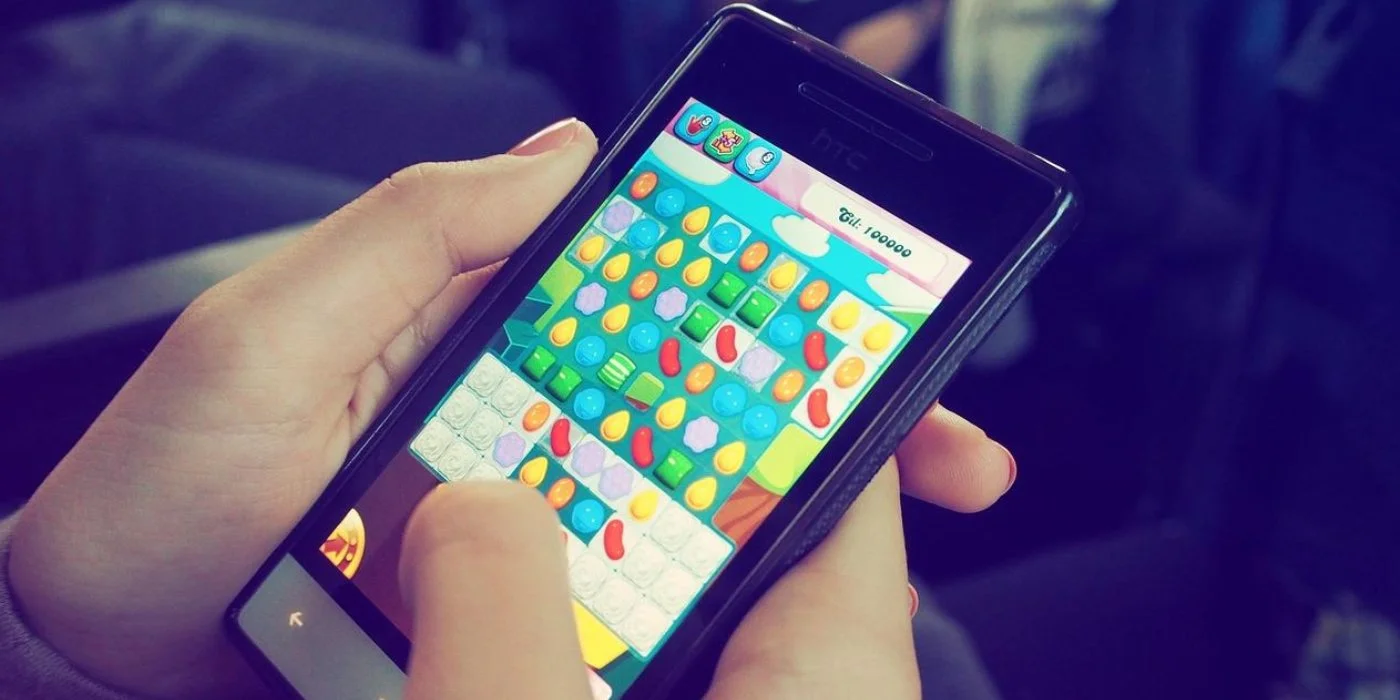
The push of a button is small, but the anticipation is big. A player opens an online casino, flicks through a grid of thumbnails that looks closer to mobile games than old felt tables, and within seconds, the session is moving, with reels turning, cards flipping, and/or a live dealer nodding into a camera.
The draw is rarely one single hook. Online casino games blend game UX, streaming culture, and the older casino ritual into something easy to start, easy to pause, and strangely easy to return to.
Across platforms, the same forces tend to show up: choice, low friction, reward loops that feel like progress, a social layer, and production value. Trust sits underneath it all, because a slick lobby does not survive confusing terms or unreliable withdrawals.
What Draws Players to Online Casino Games: Overview
These are the patterns that come up most when players explain why they keep tapping back in, even for short sessions. It is the mix that matters, and the way the platform makes it feel effortless.
Variety sells the first click, big lobbies make browsing feel harmless.
Fast loading and short rounds fit modern downtime.
Rewards and missions turn chance into a sense of progress.
Live dealers add human presence, which changes the mood.
Theme, sound, and pacing borrow from mainstream games.
Trust signals matter, licensing clarity, and smooth cashouts.
Personalisation nudges what gets played next.
Discovery now happens on feeds as well as in the lobby.
Scholarly work on persuasive interface design in online gambling shows that UI and interaction cues (timing, animations, prompts) can alter decision-making and risk engagement — aligning with your discussion on pacing and interface effects
Choice, novelty, and the comfort of a huge lobby
Online casinos often sell breadth before depth. The lobby is the product, a long menu that suggests there is always something else to try.
That menu supports different moods, a quick slot burst, a familiar roulette wheel, a slower table, and a new instant game that takes ten seconds to understand.
Formats land differently, and players switch between them more than they admit.
Format | Biggest hook | Session length | Best for | Return trigger |
|---|---|---|---|---|
Slots | Spectacle, theme variety | Short or long | Solo play, bonus chasing | New drops, features, and jackpots |
Live dealer | Human pace, real table | Medium to long | Classic rules, social edge | Hosts, chat, authenticity |
Instant games | Speed, simple rules | Short | Quick breaks | Streaks, easy re-entry |
Optionality is the point. A platform can feel like a menu one day and a single favourite table the next, and it tries not to punish either habit.
Fast starts and low friction
Digital play strips out the pauses, the travel, the waiting for a seat, and the awkward learning curve with strangers watching. The interface is built for immediate feedback.
Many platforms also push try-first behaviour, demo modes, low minimums, small promos, and the idea that you can sample the vibe and bail if it is not for you.
A few common features do most of the work, not only in value, but in how they make the play feel.
Platform feature | The feeling | Watch for |
|---|---|---|
Welcome and reload promos. | Extra value | Wagering rules, expiry |
Loyalty tiers | Progress | Resets, point terms |
Demo mode | Low pressure | Limits versus real play |
Live dealer rooms | Presence, trust | Stream quality, limits |
Personalised lobby | Less decision fatigue | Opt-outs, nudges |
The practical result is simple. It is easy to start, easy to stop, and easy to pick back up later.
Rewards, progression, and the quiet power of the almost
Casino outcomes are random, but the experience is wrapped in systems that suggest forward motion, missions, tiers, streaks, and limited-time events.
Sites such as Bonus finder focus on those layers because they shape where players spend time, not just where they place a bet. The loop is not only about money but also about momentum.
Near-misses add their own heat. Sound cues and pacing can make a result feel close, even when the odds never changed.
“Just one more spin, then I am done.”
It is a familiar line because the brain likes clean endings. A bonus round feels like a chapter break, and a small win can feel like proof that something bigger is waiting.
Live dealers and the social layer
Live rooms trade pixel polish for human presence. A dealer shuffles, talks, and reacts, and the game feels closer to a broadcast than a simulation.
Chat and familiar table names add a soft layer of community. It is not always a deep conversation; sometimes it is just not being alone while you play.
Theme, sound, and game-like spectacle
Studios now compete on production value. Some slots feel like mini-games, with collectible symbols, story beats, and feature rounds framed like set pieces.
Mood does a lot of work. Color, sound, and pacing turn random outcomes into something that feels authored.
“The music hits, the reels blur, and it suddenly feels like a boss fight.”
That sensation travels well on phones, especially with headphones in, which is part of why casino play fits into everyday downtime.
Trust, control, and not feeling tricked
At a certain point, the attraction becomes reassurance. Players look for licensing signals, clear rules, predictable menus, and withdrawals that work as intended.
Control tools matter too. Limits, time-outs, and self-exclusion options can make the experience feel less chaotic, especially for people who occasionally keep playing.
Personalization and discovery
Recommendations and personalised lobbies quietly shape what gets played next. It can feel like the platform understands a player, even when it is mostly pattern recognition.
Discovery is shifting as well. Clips, creators, and short highlight moments now send players into the lobby with a specific game already in mind.
“I saw the bonus round on a clip first, then I went looking for the game.”
In that environment, the draw is not only mechanics. It is presentation, community, convenience, and the promise that the next click might be more interesting than the last.
Final Thoughts…
Put together, these elements explain the pull. Online casino games are quick to enter, easy to sample, and loud with feedback, but they are also wrapped in choice, progression, social presence, and production value.
For many players, that mix makes a simple tap feel like an event, even when the session lasts only a few minutes.

Leave a Comment