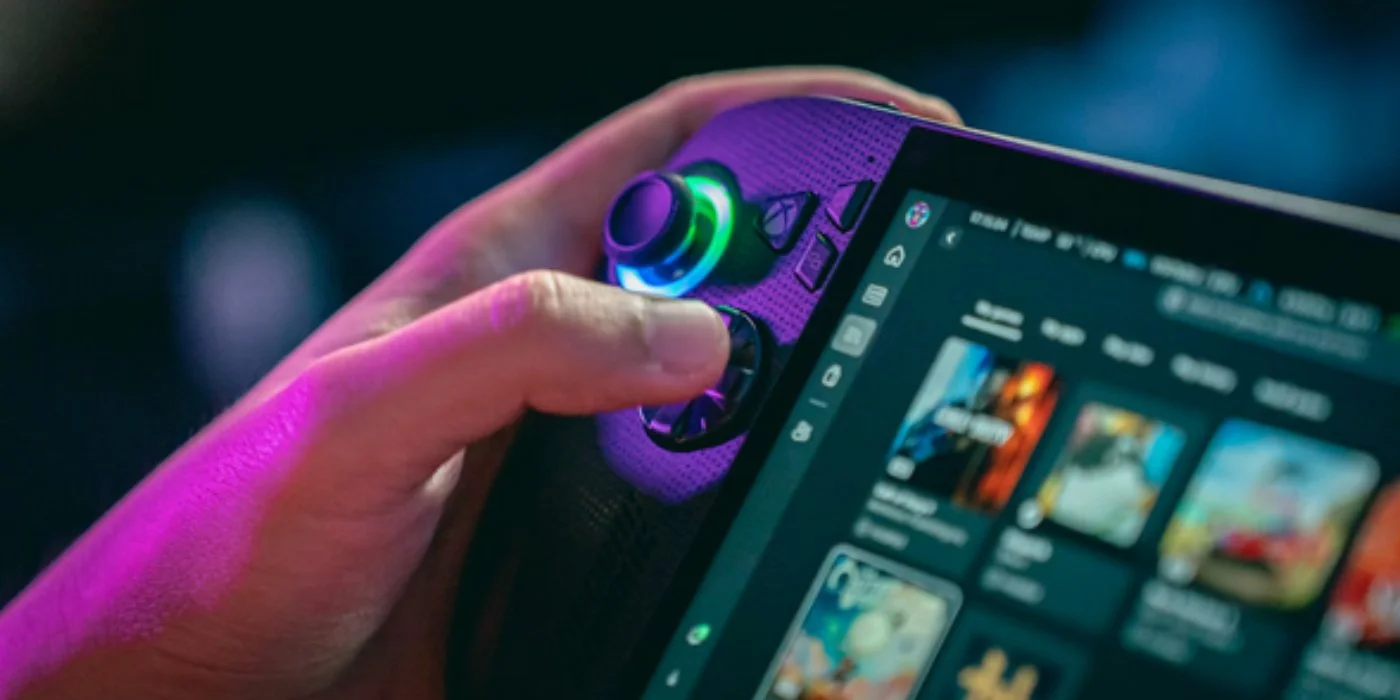
Digital gaming no longer sits on the edge of entertainment. It is one of the systems shaping how entertainment works. Newzoo says the global games market generated $188.8 billion in 2025 and counted 3.6 billion players, with revenues projected to keep rising through 2028. In the United States, the ESA says total video game spending reached $60.7 billion in 2025, the second-highest level on record. That same report says content spending climbed to $52.3 billion, helped by a 20% jump in subscription services. Those are not just industry bragging points. They explain why games now influence product design well beyond games themselves. The audience expects continuous updates, flexible libraries, creator ecosystems, short-session access, and interfaces that work across devices.
The Shifting Landscape: Key Metrics and Platform Evolution
The medium has been moving in this direction for years, but the mix is changing. Console remains commercially powerful, PC is gaining momentum in key regions, and mobile stays central because it owns convenience. Newzoo’s 2025 report says console was the fastest-growing platform last year, while PC gained ground in Asia and mobile growth slowed in mature markets. That does not mean mobile is fading. It means the market is diversifying instead of leaning on one engine. At the same time, U.S. spending data shows audiences are still highly engaged across hardware, content, and subscriptions. The modern gaming market is no longer easy to summarize with a single headline. It is a connected system of platforms, stores, communities, and recurring monetization models.
Four Core Pillars: Trends Reshaping How Games are Packaged
Several trends stand out because they affect not just what people play, but how entertainment is packaged.
Subscriptions: value and library access remain major retention tools.
Cross-device behavior: players move between console, PC, mobile, and cloud.
Creator ecosystems: users increasingly expect to watch, build, and play in the same loop.
Live-service logic: events, updates, and seasonal content keep titles active.
That is why gaming now feels less like a product purchase and more like an ongoing service relationship. A major release still matters, but so do the months around it.
Forward Momentum: The Forces Driving the Market in 2026
The strongest 2026 signals are coming from three directions at once. First, Circana forecasts U.S. video game spending to rise 3% to $62.8 billion in 2026, pushing the market past its previous record. Second, GDC’s 2026 State of the Game Industry report surveyed more than 2,300 industry professionals and found that layoffs, AI adoption, and business pressure are still shaping development. Third, platform strategy is getting more selective. Unity’s 2026 development reporting says studios see big opportunities in smaller games and are taking a more cautious approach to AI tools. Put together, those signals describe a market that is still growing but no longer spending carelessly.
Grammar of Digital Entertainment: Gaming's Influence on Adjacent Products
Gaming’s influence is most evident in adjacent digital products. Today’s audience expects fast onboarding, rich audiovisual feedback, and short loops that feel satisfying even when used for only a few minutes, which is one reason a casino online product now borrows so much from broader game design language. Mobile access, event-style pacing, interface clarity, and constant availability are not side features anymore. They are the basic grammar of digital entertainment. If a product feels slow or awkward on a phone, it loses ground immediately.
The same logic applies to distribution. In a market where users already manage libraries, subscriptions, and notifications across several apps, a fast melbet apk installation matches the larger expectation that entertainment should begin in seconds, not minutes. Roblox offers another example of where the market is heading. The company reported 111.8 million daily active users and 27.4 billion hours engaged in its latest annual impact report, underscoring the power of creator-led ecosystems. Entertainment in 2026 is not just about finished products. It is about persistent platforms that keep users inside a loop of play, discovery, and return.
The Three Battlegrounds: Console, PC, and Mobile Strategies
The 2026 gaming market can be read through three practical lenses:
Console: premium releases and hardware ecosystems.
PC: flexibility, mod culture, and growing younger-player interest.
Mobile/platform apps: convenience, habitual check-ins, and huge reach.
The platforms overlap, but they do not do the same job. Mobile wins the battle for frequency because it travels with the user.
The Ultimate Model: Why Gaming Matters Beyond Its Borders
Digital gaming in 2026 is not defined by a single device or genre. It is defined by a set of habits: subscription thinking, creator-led ecosystems, constant updates, and mobile-first access. That is why gaming now matters beyond its own borders. It has become one of the clearest models for how modern entertainment captures time, attention, and return visits.
Leave a Comment