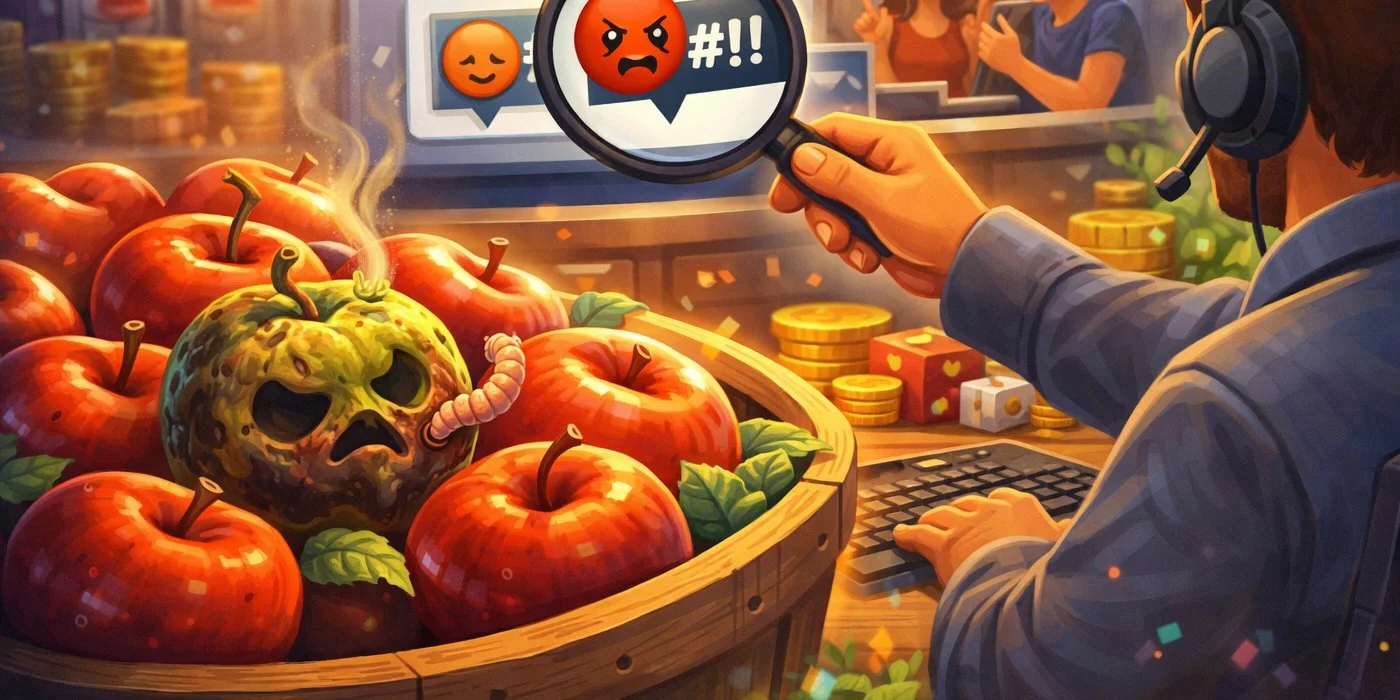
Keeping Sweepstakes Communities Welcoming
Sweeps communities—groups built around sweepstakes-style social games—often come with chat rooms, groups, and comment threads where players swap tips and celebrate lucky moments. A friendly space makes the games feel more relaxed, but it does not stay friendly by accident. Clear expectations and steady moderation help the community keep the focus on fun and respect.
In Short: Kind behavior spreads quickly when it is the default. Clear rules make it easier to protect that tone.
Set Expectations Early With Community Rules
The easiest problems to solve are the ones that never start, so communities spell out what is welcome and what is not. A quick scan of one of the best US casino online landing pages shows how a sweepstakes platform can frame play as free entertainment while highlighting social features and support. When expectations are easy to find, moderators can point to a rule instead of arguing about personal opinions.
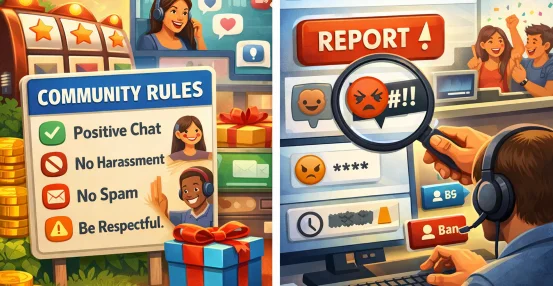
Strong guidelines name specific issues like harassment, spam, and unwanted private messages. They also explain what happens after a report, so consequences feel predictable rather than personal.
Spotting Behavior That Hurts the Vibe
Not every rough comment is a crisis, but small patterns can signal a bigger problem. Communities stay healthier when moderators watch for repeat behavior and step in before threads spiral.
Patterns That Show Up in Chat
Bad actors often test limits with sarcasm, baiting questions, or nonstop complaints aimed at other players. They may also flood the chat with repeated messages or push conversations into sensitive topics that derail the room.
When Reporting Gets Misused
Reports can be used to target someone unpopular, especially after a disagreement. A clear review process helps moderators separate genuine harm from a disagreement that should cool down on its own.
In Short: Early signals are easier to handle than blowups. Quiet, steady actions usually work better than public callouts.
Tools That Keep Conversations on Track
Good tools reduce the need for constant back-and-forth with disruptive users. They also make it easier for regular players to help by flagging problems without starting a fight.
Simple Reporting: A clear “report” option sends the issue to moderators without turning the thread into a debate.
Keyword Filters: Basic filters can catch common slurs, spam links, and repeated copy-paste messages.
Slow Mode: Rate limits reduce pile-ons and give people time to think before posting again.
New Account Queues: Extra review for first-time posters helps block drive-by disruption.
Pinned Rules: A short, visible rule list keeps expectations front and center.
Fair Consequences Without Public Pile-Ons
Communities usually work best with a simple ladder: reminder, warning, temporary mute, and removal for repeat issues. Private messages protect dignity while still making it clear that the rules matter.
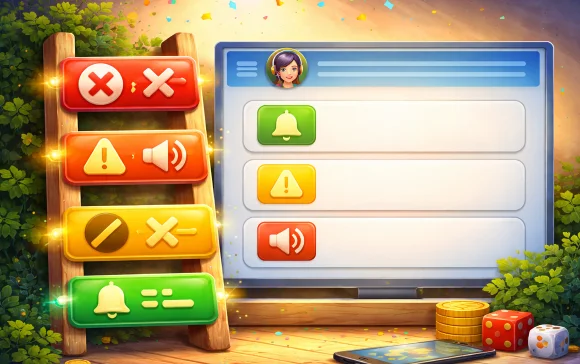
Consistency matters more than severity, so similar behavior should lead to similar outcomes. If appeals are allowed, a short window and a clear standard keep the process from becoming a second argument.
Building Positive Habits, Not Just Policing Negativity
A positive space is not only about removing harmful behavior; it is also about reinforcing what good participation looks like. Highlighting helpful posts, thanking calm problem-solvers, and modeling respectful language can shift the tone over time.
In Short: People copy what gets attention. Communities that celebrate helpful behavior see more of it.
Quick Checklist for a Positive Space
Bad apples show up in every large group, but they do not have to define the culture. A few steady habits can keep sweeps communities welcoming, even when moderation decisions are needed.
Write It Down: Keep rules short, specific, and easy to find.
Act Early: Address repeat patterns before they spread.
Stay Fair: Apply the same standards to everyone, every time.

Leave a Comment