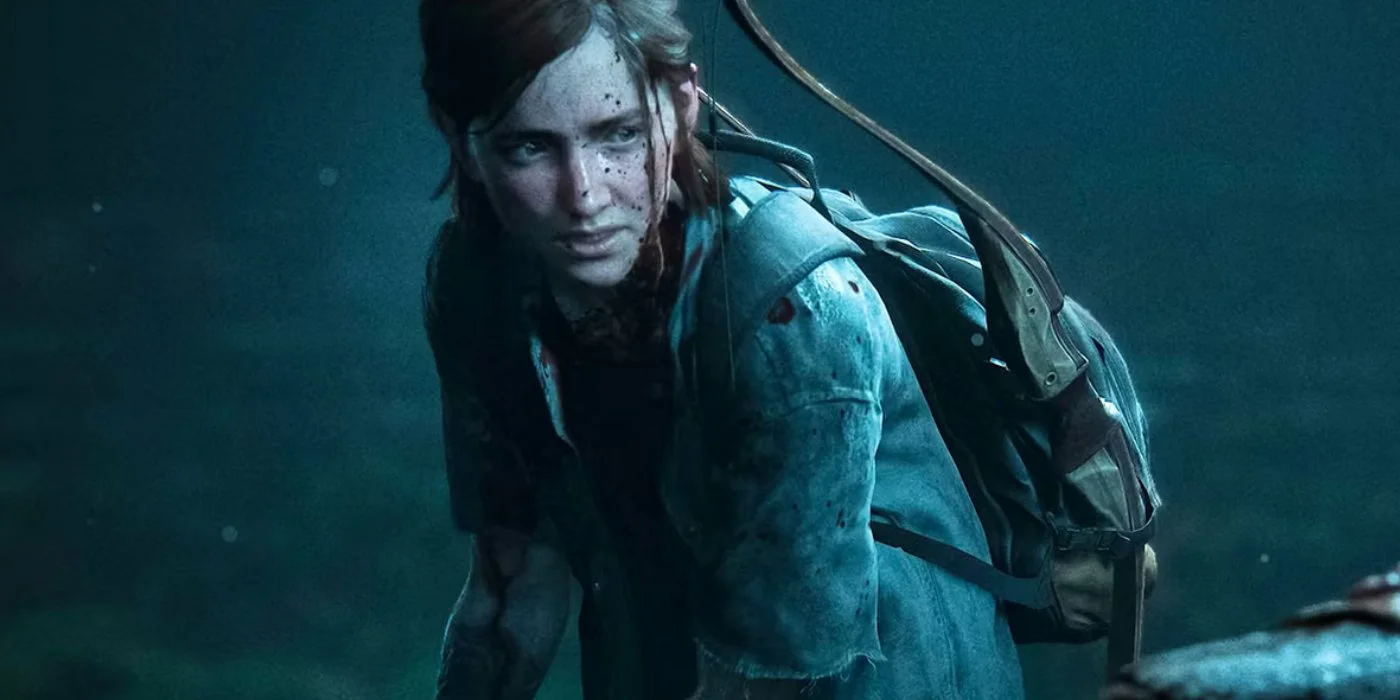
The Last of Us Part II broke the internet when it was released, as players loved Part I. The developers were not only able to continue the story the way it was meant to, but they also took it to a whole other level. It's a game that you don’t just play; it's a game you sit uncomfortably sometimes. Some players call it one of the most emotionally ambitious games ever made.
When you stop looking at The Last of Us Part II as a revenge story and start looking at it as a psychological experiment, the entire game changes. Characters you hate start to make sense, and scenes that felt too much were very intentional. Let's dive into how the game has evolved.

Ellie Isn’t Broken But Stuck
For many players, Ellie’s life changed in Part II, where she became cold, cruel, and unrecognizable. Psychologically, she is operating from unresolved trauma and emotional emptiness. The game shows that she isn’t chasing revenge for justice but because she believes it will end the pain.
This mirrors something we often see in casinos and gamers. Where someone keeps betting after losses, as people fall into tunnel vision. Logic fades out, and it's rarely about winning your money back but emotional resolution. That’s why, when you play at an online casino, make sure you take care of responsible tools that will help keep you in check.
Another great way to not get carried away by your emotions is to use no-deposit bonus promotions, such as 50 free spins https://gry-hazardowe-zadarmo.com/50-darmowych-spinow/, where you don’t have to spend any of your money to start playing. As always, before claiming any bonus, make sure that you read the terms and conditions.
Abby as Psychological Disruptor
Then the game pulls its boldest move, where it gives you control over Abby. You are not just watching cut scenes or watching her do life; you become her. From a psychological standpoint, the game takes you on a radical journey where you embody someone you’ve already judged.
The perspective is so powerful that her reactions are not justified as loudly as Ellie but it simply lets you experience her motivations, fears, and moral framework. This is empathy through exposure, which is deeply uncomfortable to players. By forcing perspective, the game dismantles the idea of clean heroes and villains.
Violence with Emotional Feedback
Most of the games online reward violence with power. Whether you get stronger, faster, or better, it is absolutely satisfying. However, in The Last of Us Part II, it does the opposite. Psychologically, the game reframes violence as an emotional cost and not an achievement, and that’s why people feel it like an emotional drain.
The combat becomes brutal, exhausting, and more personal at each turn of the game. Every victory in these intense battles feels hollow, where violence has no power here. Similarly, in casinos, they seem exciting on the surface, but prolonged exposure leads to emotional fatigue. When the highs diminish, the losses sting more.
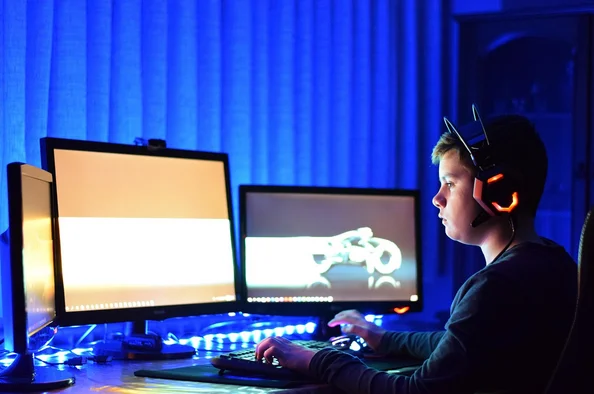
The Illusion of Control
One of the biggest complaints is that players are not given a choice. Players are not able to opt out of situations or choose when they want to. The game just pushes you forward regardless of your discomfort through different unpredictable scenes.
The game removes the illusion of control, forcing players to confront the same lack of agency its characters feel. Ellie believes she’s choosing revenge, but she’s really being driven by unresolved trauma. The emotional response to that gap between perceived control and reality is what drives frustration, obsession, and sometimes reflection.
How Psychology Changes the Way You Judge the Story
If you approach The Last of Us Part II expecting traditional hero arcs, it feels punishing. But if you approach it as a psychological study, it becomes clearer and more unsettling. Ellie isn’t meant to be admired. Abby isn’t meant to be forgiven easily.
The world isn’t meant to feel fair. Just like in real life, and just like in environments built around risk and consequence, emotional decisions often make sense only from the inside.
Once you recognize that, the game stops being about “liking” characters and starts being about understanding decision‑making and behavior.
Final Thoughts
The Last of Us Part II isn’t asking to be loved. It’s asking to be examined. By focusing on character psychology, the game changes how we interpret violence, control, empathy, and consequence. It uses discomfort as a storytelling tool, much like high-stakes environments use pressure to reveal human behavior.
If you view the game as a psychological experience rather than a traditional action narrative, its design choices start to make unsettling sense. And much like walking out of a casino after a long night, the game leaves you changed,d not because of what you won or lost, but because of what you felt along the way.
Leave a Comment