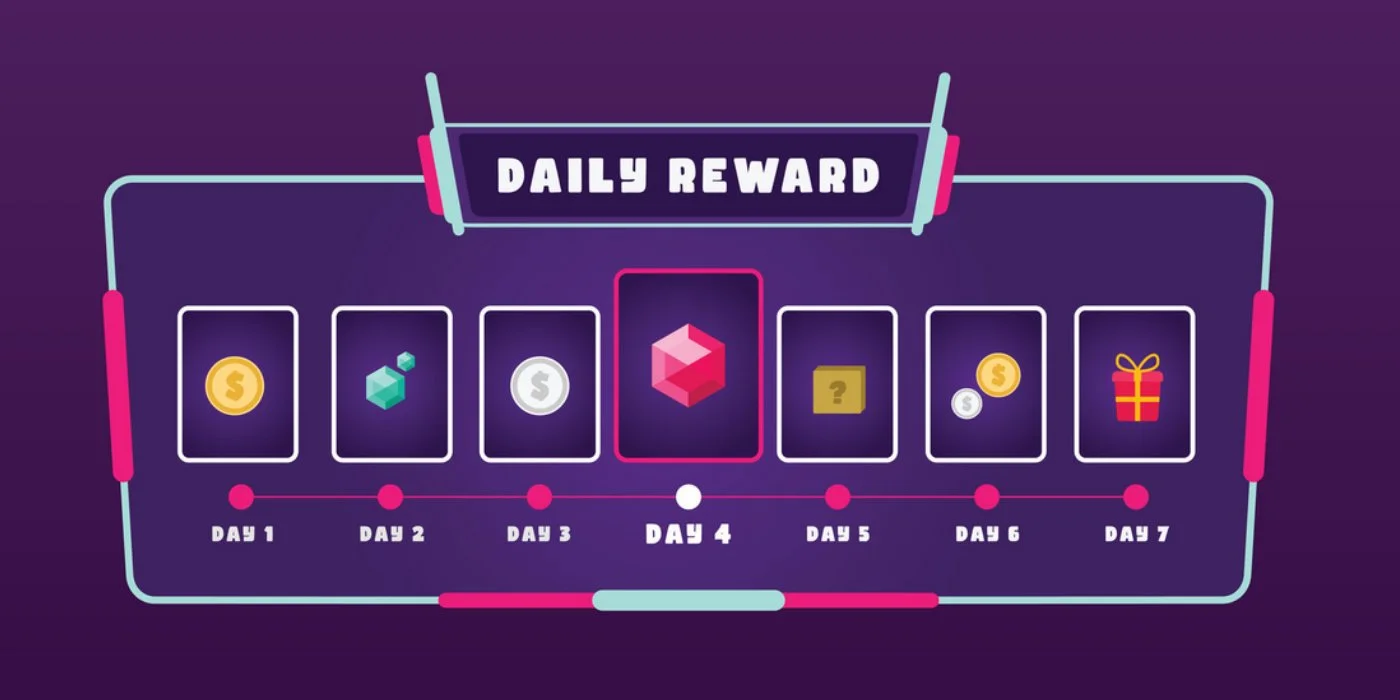
In modern game design, there are many important concepts for creating a popular, sustainable title. Reward loops sit near the top of the list in that regard. No matter the type of game that you play, reward loops are constantly modifying your experience. They’re the reason you keep playing, progressing, and coming back for more.
At their core, reward loops are systems encouraging repeated behavior by offering incentives. The player takes an action and receives a reward. They’re then motivated to repeat that action.
Over time, this cycle becomes engaging and, in many cases, habitual.
The Basic Structure of a Reward Loop
A typical reward loop consists of three key stages. These are:
Action: The player performs a task. This could be coming first in a race or defeating a certain enemy.
Reward: The game provides feedback. This can come in the form of points, items, currency, or progression.
Motivation: The reward encourages the player to repeat the action or try something new.
Depending on the game, whether it’s an online player-vs-player or a casual mobile game, this loop can be simple or highly complex. Rewards are immediate and frequent in certain cases. In others, they’re delayed, where they require more effort and investment before they are earned.
Why Reward Loops Work
Reward loops tap into basic psychological principles. When players receive a reward, the brain releases dopamine. It creates a sense of satisfaction. It also reinforces the behavior, making it more likely to happen again.
The best games won’t stick with an equal approach to rewards. Instead, they incorporate a mix of predictable and unpredictable rewards to keep engagement levels high. Predictable rewards deliver a sense of progress, while random rewards add excitement and anticipation.
This balance is necessary to keep players engaged over longer periods. Too much predictability can become boring. Too much randomness can feel frustrating. That’s why the most effective reward loops land somewhere in the middle.
Short-Term vs Long-Term Loops
As noted, it’s increasingly common for modern games to layer multiple reward loops to create depth. This is where short and long-term loops come into play.
Short-term loops are about immediate gratification, such as earning points and unlocking small bonuses.
Long-term loops involve progression systems, achievements, and unlocking major content over time.
By combining both, games keep players engaged in the moment while also giving them something to work toward. It creates a sense of purpose and progression that extends beyond individual sessions.
Reward Loops Beyond Traditional Games
Reward loops aren’t limited to traditional video games. They’re also a core component of many digital entertainment platforms, including online casinos.
For example, the games at Lucky Nugget Casino demonstrate how reward loops operate in a different but related context. Each action, from placing a bet to spinning the reels, triggers an immediate response. The response can be a win, a near-miss, or a bonus feature. These outcomes are rewards (yes, even those close calls) that inspire continued play.
That’s not all. The platform also incorporates layered incentives. As well as regular promotions and bonuses, the casino has a loyalty program. The more wagers are made, the more points are collected. This then opens the door to unlock additional rewards. It’s another example of multiple reward loops in action.
The Design Behind Effective Reward Systems
Balance. For developers, finding this is the key to creating a strong reward loop. Rewards must feel valuable without being overwhelming. Players should feel like their actions matter, of course, but not that progress is handed to them too easily.
Key considerations include frequency of rewards and variety in outcomes. Clear feedback, visual cues, and a sense of progression over time are also elements worth incorporating. Get it right, and developers can strike gold with an engaging, satisfying experience that players want to return to again and again.

Leave a Comment