
Strategy gaming provides unique mental hurdles that depend entirely on the chosen temporal format. Modern players often debate whether turn-based systems or real-time action offer the best experience. While both genres require deep planning, they test the human brain in opposite ways. Turn-based games allow more time to plan each move carefully, whereas real-time games require rapid decision-making under continuous pressure.
This guide explores the core differences in how these systems challenge strategic thinking, helping you choose titles that best suit your personal play style. Ultimately, the best strategy games bridge the gap between careful thought and rapid action. Shaping the future of gaming, these innovations help players discover challenges suited to their individual play styles.
The Precision of Calculated Planning
Turn-based strategy games emphasize the importance of making every single movement count. You have the luxury of analyzing the entire digital battlefield before committing to a specific action. This format removes the pressure of time to prioritize deep logic, complex variables, and long-term consequences.
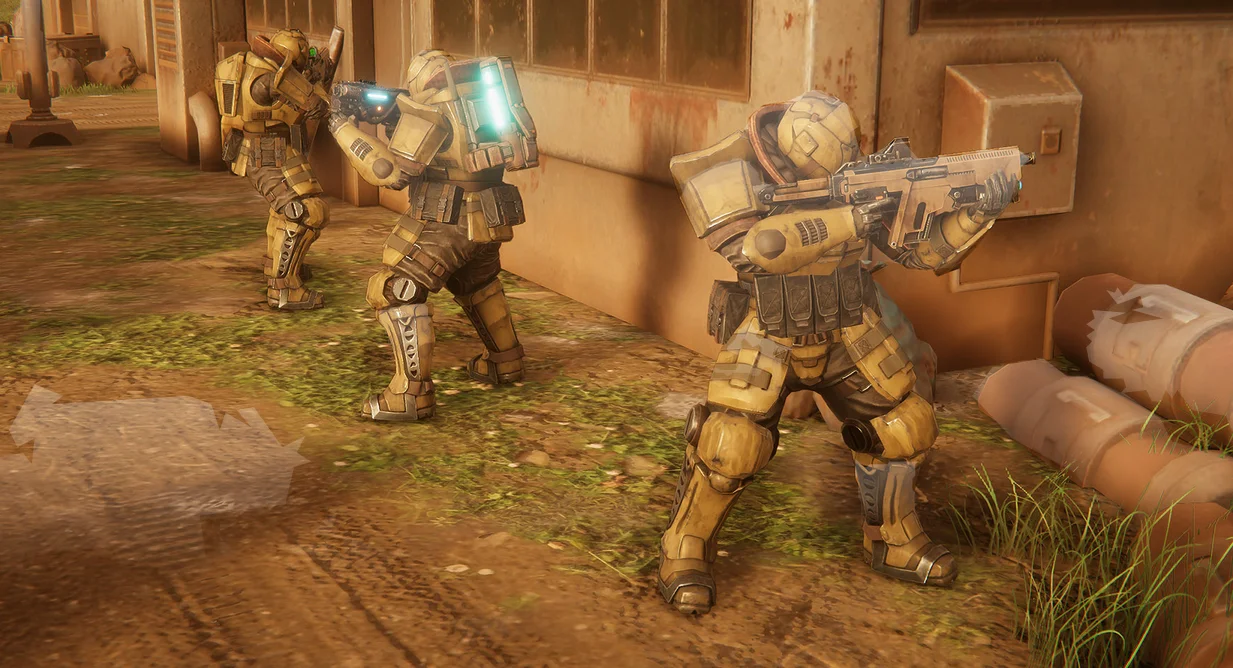
Success depends on adapting to enemy actions and planning moves each turn with surgical care. Each choice feels tense, as poor moves can weaken your forces over dozens of subsequent turns. Developers use this structure to layer intricate mechanics that would otherwise overwhelm a real-time environment.
Recent hits like MENACE show deep tactical combat with rich strategic choices. Interestingly, many players find that this methodical approach to risk management translates well to other digital arenas. For instance, the same level of calculated decision-making and resource management is often applied at platforms like Spin Casino . In both environments, you must manage your "bankroll"—whether that’s units on a hex grid or digital assets—to succeed in a specific objective. This deliberate pace ensures that every victory feels like a triumph of pure intellect.
High Stakes and Rapid Decision Execution
Real-time strategy (RTS) games challenge players to think and act under intense, constant time pressure. You must manage your base while simultaneously commanding units across a vast map. There is no pause button to help you consider the best path to victory; the clock is always your primary opponent.
Micro-management becomes a vital skill as you dodge incoming fire and secure vital resources. RTS games keep players engaged because action unfolds without pauses, rewarding those with high "Actions Per Minute" (APM). Rapid reflexes are just as important as long-term planning in these high-velocity digital arenas.
Falling Frontier blends strategic fleet control and resource decisions in a real‑time space setting. Adapt your builds to counter whatever the enemy is currently doing in the moment. This style of play rewards players who can think on their feet and manage multiple elements at once without losing their cool.
Managing Complexity Through Resource Chains
Resource management acts as the logistical backbone for every successful strategy game. Whether you are playing a 4X epic or a base-builder, you must balance the gathering of raw materials with the production of powerful units. In turn-based games, you often manage these economies through fixed, predictable income per turn, allowing for "perfect" optimization.
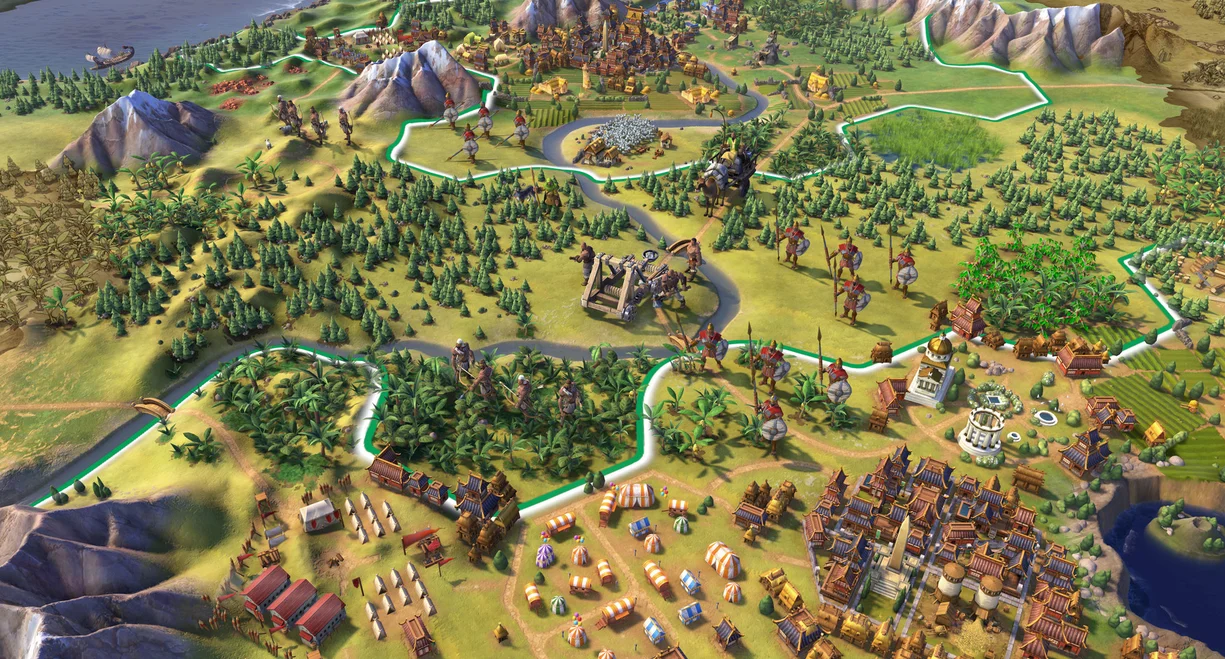
Real-time games, however, often require defending your resource gatherers while you expand. Failing to secure a steady supply of gold or energy usually leads to a swift defeat. Modern titles introduce secondary resources like political influence or magical energy to add layers of complexity.
Whiteout Survival tasks players with managing heat and coal amidst a lethal, frozen wilderness. You must ensure your survivors have enough fuel and food to survive the night. Balancing resource needs while managing external threats creates a deep strategic challenge that keeps players coming back.
The Evolution of Modern Hybrid Systems
Some developers continue blending turn-based and real-time systems to create hybrid experiences. These games might use turn-based maps for grand strategy and real-time for tactical battles. This approach allows players to enjoy massive scale alongside the excitement of active, twitch-based combat.
It connects players who enjoy careful planning with those preferring fast-paced gameplay. Hybrid systems often attract a wider audience by offering the "best of both worlds." The challenge lies in mastering two different sets of rules within one cohesive title.
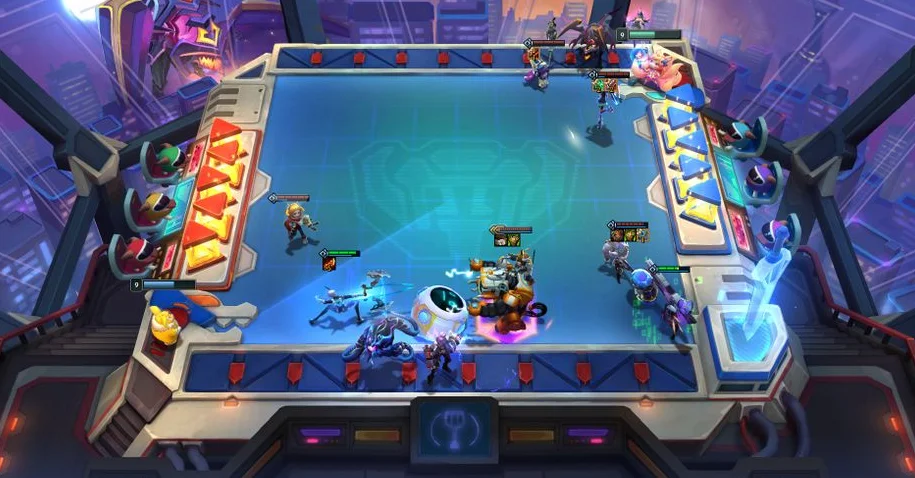
Teamfight Tactics (TFT) is perhaps the most famous modern example, combining turn-based drafting and economy management with automated combat rounds. You manage your gold in turns but watch the actual fight unfold in real time. Learning how these systems interact is the next frontier for dedicated strategy fans and CCG veterans alike.
Leave a Comment