
Free-to-play card games have always had this balancing act going on. Keep players engaged but still make the system work financially. For a long time, loot boxes handled both. Open a pack, hope for something useful, go again.
It’s simple. Maybe a bit too simple once you’ve done it enough times. At some point, the process starts to feel familiar in a way that’s hard to ignore.
The Limits of the Pack Opening Loop
Loot boxes rely on repetition. You click, you reveal, you react. Then you repeat the exact same process. The reward changes, but the experience around it doesn’t.
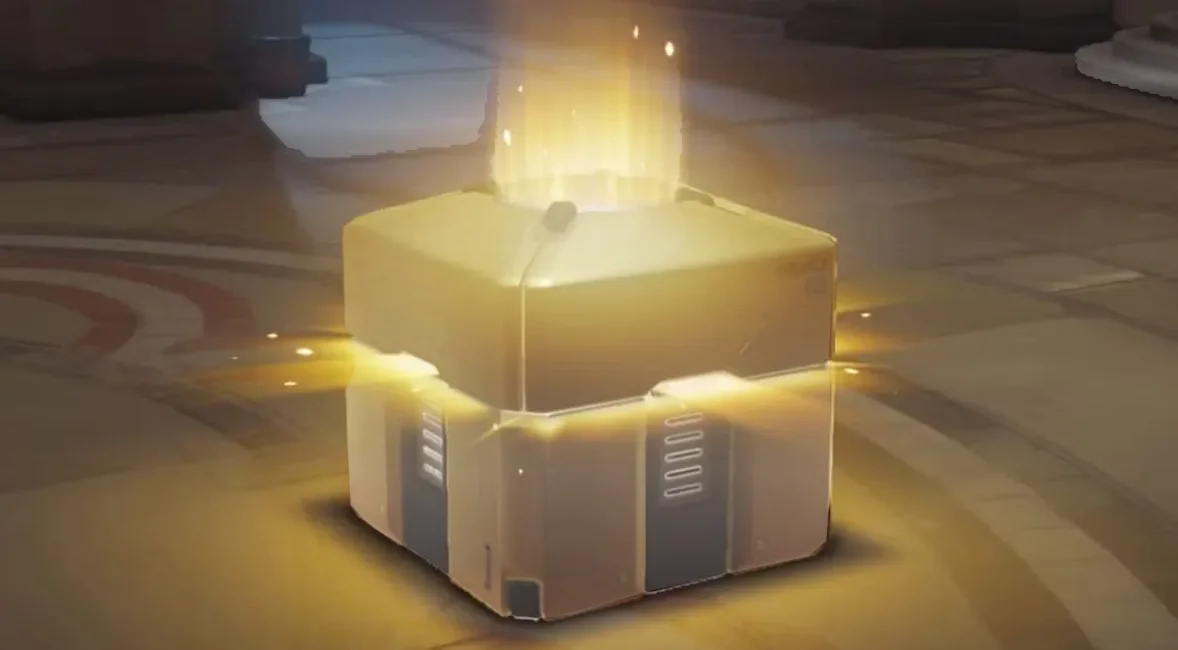
After a while, that sameness starts to become an issue. Even when you get something good, the buildup feels identical to every other attempt. That’s where some players start to disengage.
What Changes With Sweepstakes Systems
The biggest difference is how players interact with the system. You’re not directly opening something every time. Instead, you’re entering into something that plays out over time.
That small shift changes the feel of it. It adds a bit of distance between action and outcome. You’re still engaging with chance, but it doesn’t feel tied to a single moment.
Why Developers Are Exploring It
There’s a practical reason for all of this. When a system feels less repetitive, players stick around longer. Not because they have to, but because it doesn’t feel like the same loop over and over.
Sweepstakes-style systems give developers more flexibility. They can tie engagement to events, progression, or daily activity without relying on constant pack openings.
Where This Influence Is Coming From
A lot of these ideas line up with how people already interact with other digital platforms. Quick sessions, easy entry, the option to step away and come back without feeling like you missed something.
You can see similar structures outside of traditional games, especially in how participation-based systems are organized. For example, this list of sweepstake casinos by TGT lays out different platforms built around that same idea of ongoing entry and varied outcomes rather than a single repeat action.
That kind of structure feels familiar now. So when it appears inside a card game, it doesn’t feel out of place.
Where It Fits in Card Games
Card games are a natural place to experiment with this. They already revolve around repetition, collection, and progression. You don’t need to rebuild everything. You just adjust how players move through the system.
Instead of opening packs back to back, players might engage through entries tied to gameplay, rotating events, or layered reward systems.
The core loop stays intact, but it feels less rigid, and that difference can change how long someone stays engaged.
The Trade-Offs That Come With It
Of course, it’s not automatically better. If the system isn’t clear, players can feel disconnected from it. If rewards feel too far away, interest drops. And if it still circles back to the same kind of repetition, then nothing really improves.
So while the structure changes, the challenge stays the same: keep it engaging without turning it into a grind.
Final Thoughts
Loot boxes aren’t going anywhere overnight. They’re familiar, and they still work. But there’s a clear push to explore alternatives that feel a bit more flexible.
The sweepstakes model is one of those ideas. Not a full replacement, just a different way of framing how players interact with rewards.
Whether it becomes the standard is still unclear. But it’s getting attention for a reason. It softens the loop, adds a bit of variety, and gives players something that feels just different enough to keep them interested.
As we head into the future, we can expect to see the sweepstakes model become an increasingly integral part of F2P card games.

Leave a Comment