A few years ago, esports and traditional sports felt like completely separate worlds.
Now the gap looks much smaller.
The way analysts break down matches, track performance, and predict outcomes has started to look almost identical across both spaces. Whether it’s football, basketball, or esports games, the same patterns keep showing up. Data matters. Trends matter. Timing matters.
And analytics sits right in the middle of all of it.
Predictions Are No Longer Based on Guesswork
Sports predictions used to rely heavily on instinct.
Fans looked at form, remembered a few recent games, and made assumptions from there. That still happens, but the process is much more data-driven now.
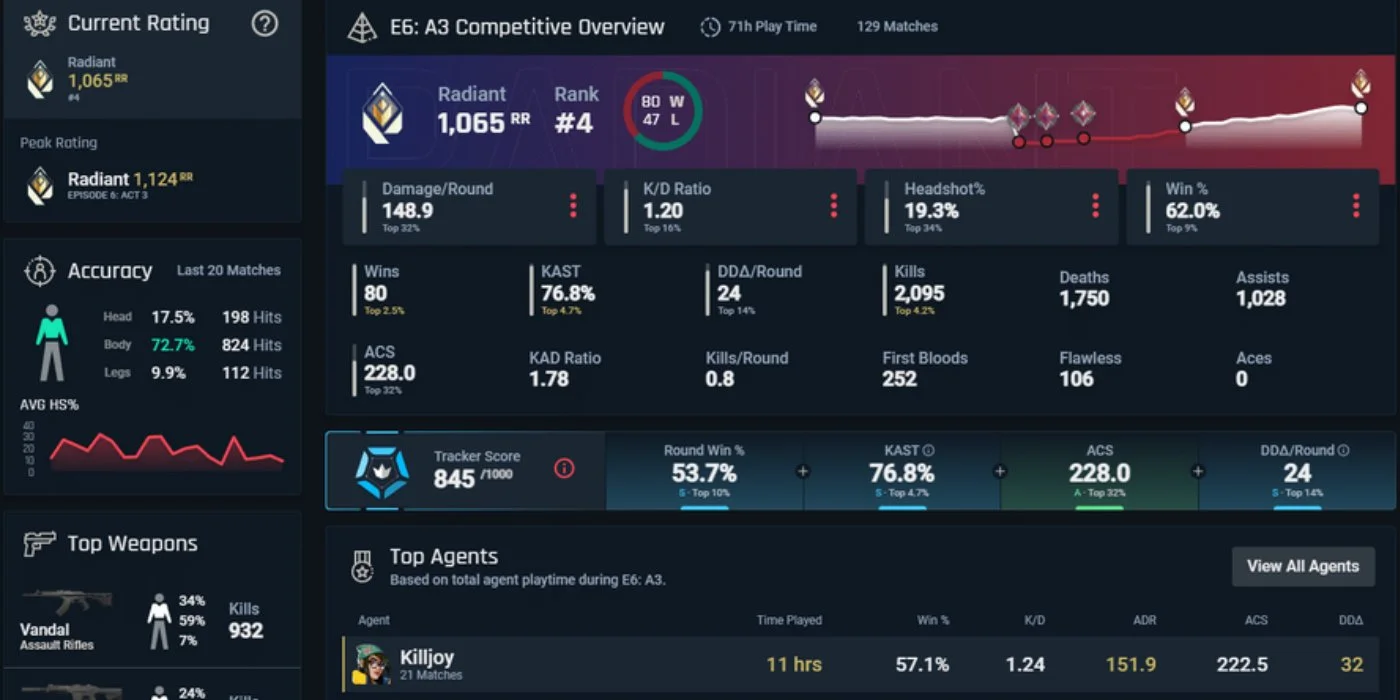
Modern analysis includes player efficiency, map win rates, shot quality, possession metrics, reaction times, and dozens of other indicators.
In esports, this shift happened especially fast. Competitive titles generate huge amounts of trackable information, which makes advanced analysis easier.
That’s one reason esports tournaments 2026 are expected to push analytics even further. Teams already rely heavily on performance data when preparing strategies.
Traditional sports followed the same path.
Esports Teams Use the Same Analytical Structure
Top esports teams now operate in ways that look very familiar to sports organizations.
They study opponents, review mistakes, analyze positioning, and track performance trends. Coaching staffs rely on data to adjust strategies and improve decision-making.

It’s not just about mechanics anymore.
The difference between winning and losing often comes down to preparation and adaptation. That sounds exactly like modern football or basketball analysis.
The shared language of analytics keeps getting clearer.
Real-Time Data Changed Fan Expectations
Fans consume competition differently now.
Watching a match is no longer enough on its own. People want live stats, performance tracking, and instant updates while the event is happening.
This applies to esports betting as much as traditional sports coverage.
A live game now includes dashboards, advanced metrics, and predictive analysis happening in real time. Fans expect information immediately, and platforms adapted quickly to that behavior.
Mobile Access Accelerated Everything
One of the biggest changes came from mobile technology.

Tracking matches, checking player stats, following live updates, and comparing analytics can all happen instantly from a phone.
That speed changed how people interact with competitive events.
Following data through platforms connected to MelBet apk reflects how mobile access became part of the modern viewing experience. Fans no longer wait until after matches to analyze performances.
Everything happens live.
Prediction Models Keep Evolving
Analytics models today are much more advanced than they were even five years ago.
Machine learning, probability systems, and real-time adjustment tools are now common across both sports and esports.
A single prediction can include dozens of variables.
Player fatigue, recent form, map preferences, schedule density, and even travel all influence outcomes.
This doesn’t make predictions perfect, but it makes them more informed.
Community Discussions Became More Analytical
Fan conversations changed too.
People no longer argue only about who looked better. They discuss efficiency, statistics, and trends.
You see detailed conversations around roster changes, tactical adjustments, and matchup probabilities across gaming and sports communities alike.
The activity around MelBet Facebook Somalia reflects how fast these discussions move during major events. Fans compare numbers, react to performances, and break down decisions in real time.
The level of analysis keeps getting deeper.
Esports Accelerated the Data Culture
Esports helped normalize heavy statistical analysis for younger audiences.
Because games generate clean digital data, fans became comfortable reading advanced metrics very quickly.
That mindset carried over into traditional sports.
Now even casual viewers regularly discuss expected goals, shooting efficiency, or advanced player ratings.
The overlap between the two worlds keeps growing.
Data Still Doesn’t Remove Uncertainty
Even with all the analytics available, predictions are never guaranteed.
One mistake, one unexpected play, or one momentum shift can completely change a result.
That unpredictability is still part of the appeal.
Analytics improves understanding, but it doesn’t eliminate chaos.
And honestly, that’s probably a good thing.
Why the Connection Matters
The relationship between esports and traditional sports is becoming more obvious every year.
Both industries rely on data. Both depend on preparation, adaptation, and performance analysis.
Fans engage with them in very similar ways now.
The same tools, the same discussions, and often the same expectations.
Analytics became the common language connecting both worlds.
Final Thoughts
Esports and traditional sports may still look different on the surface, but underneath, the systems are becoming increasingly similar.
Predictions, performance tracking, and advanced analysis now shape how fans watch and understand competition.
The rise of analytics changed both industries permanently.
And as technology keeps improving, that connection will only get stronger.

Leave a Comment