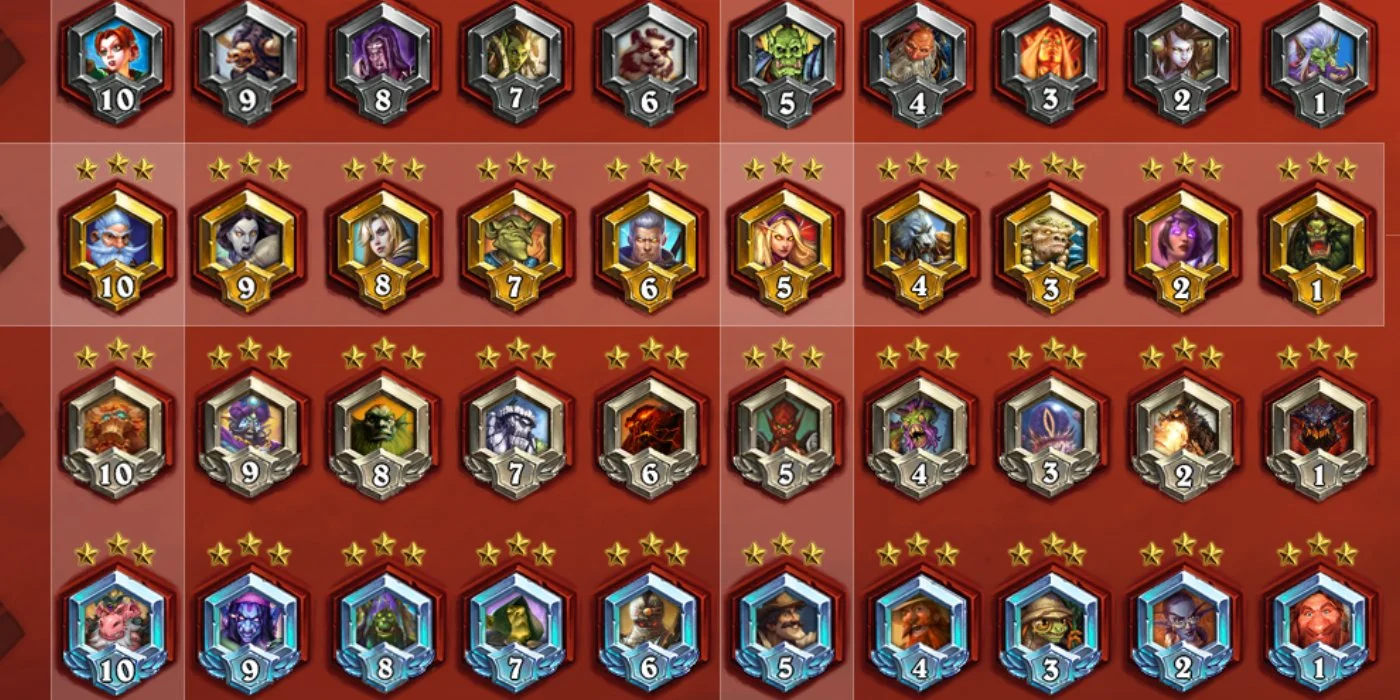
The first time a Hearthstone player taps the Play button, the matchmaker takes roughly fifteen seconds to find an opponent. The same loop happens in MTG Arena, Pokemon TCG Live, Marvel Snap, and almost every other digital card game. One button, and the system finds another human, validates the match, builds the connection, and the game begins.
The 1v1 pairing pattern is now the default way millions interact with strangers in real time online. Card games refined it earliest, partly because they only need two players, partly because shuffled-deck variance meant an imperfect matchmaker still produced playable matches. Other categories inherited the pattern, often without crediting where it came from.
What Card Games Got Right First
A modern card-game ladder solves a hard problem under the hood. It estimates each player's hidden skill from limited results, balances queue time against match quality, accounts for class or deck distribution, and avoids creating dead-rubber matches at the top of the bracket. Blizzard, Wizards of the Coast, and the smaller studios behind games like Legends of Runeterra have iterated on these systems for more than a decade. The Hearthstone team's public matchmaker post-mortems and the Magic Arena team's coverage of new digital-first formats include surprising amounts of detail about how the matchmaking layer shapes the format itself.
Pulling that detail back into the larger UX picture is useful. Players developed an intuition for what fifteen seconds of queue time feels like, what thirty seconds feels like, what a minute feels like before frustration kicks in. The acceptable queue length turned out to be shorter than designers originally assumed. That single calibration is now load-bearing for almost every random-pairing product on the web. The same intuition shows up after testing a few instacams 1v1 clones, where each new platform's first impression is dominated by how long the user waits between a tap and a face on the screen.
Where the Pattern Spread
Random 1v1 video chat platforms inherited the queue-time calibration directly. The early generation of Omegle-style services treated wait time as a non-issue. The current generation treats it as the most important number in the product. Successful platforms have invested in the same matchmaker problems card games solved years earlier, including pre-warming a pool of waiting users, balancing categorical preferences, and shedding queue length aggressively when supply on either side runs short.
Voice-only random-chat platforms went through the same evolution two or three years behind video. Multiplayer FPS lobbies sit further still on the curve, partly because they need four to ten players matched, not two, which makes the queue-time calibration substantially harder. The 1v1 case remains the easiest version of the problem and the one that produced the cleanest design lessons.
The Skill-Bracket Problem Cuts Both Ways
The other half of the matchmaker problem is bracketing players by skill. Card games solved this by hiding a numerical rating that updates after every match and using it to find an opponent of similar projected strength. The rating itself is invisible, but its effects are immediately felt: matches feel competitive most of the time, blowouts are rare in the middle of the ladder, and the top of the standings produces genuine close games rather than coin flips.
Random video-chat platforms cannot use a skill bracket in the same way. They have to bracket by language, preference, and behaviour signals instead, which is a harder problem because the input data is less structured. Some have moved toward optional self-reported attribute matching. Others have gone in the opposite direction, deliberately keeping the pool wide to preserve the random-stranger feel. The tradeoff between matching quality and randomness is now an active design conversation across categories.
The card-game version of that conversation has been visible for a while. Pieces like the deeply personal I changed my mind on MTG Arena capture how subtly the matchmaker shapes a player's relationship with the broader product. The matchmaker is the product, in a real sense, and changing it changes the game.
That asymmetry in how easily skill-bracketing transfers between domains is one of the quieter design lessons the past few years of cross-category matchmaking work have produced.
What Designers in Other Categories Can Borrow
A few principles travel cleanly out of the card-game world. The first is that queue time is a UX metric, not an engineering metric. Treat it as the most important number on the dashboard and revisit it weekly. The second is that the right answer to a long queue is usually a different match, not a longer wait. Players will accept a slightly worse opponent before they will accept a meaningfully longer wait. The third is that visible feedback during the queue helps even if the underlying time is the same. A spinning animation with no progress indicator feels longer than a queue with a visible position estimate, even when the actual seconds are identical.
These principles transfer well to random-chat platforms, multiplayer party games, dating apps, and any product where the user is waiting for a system to find them another human. Most products that get them wrong fail not because of the matching algorithm but because of the wait-state UX wrapped around it.
A Closing Read on the Pattern
The 1v1 pairing loop is now part of the default vocabulary of consumer software. Card games happened to refine it first, partly by accident of needing exactly two players. The patterns they worked out, around queue time, skill bracketing, and wait-state feedback, have migrated outward into chat platforms, party games, and a handful of newer formats that are still figuring out their own version of the same tradeoffs. Reading the history of the pattern is useful even for designers working far from games, because the lessons turned out to be more general than the genre that produced them. Most teams building any kind of human-pairing product end up rediscovering the card-game work within their first two design iterations, usually by failing in the same specific ways the early ladders failed before they fixed it.

Leave a Comment