While gamers are interested in enjoyment under transparent, non-intrusive conditions, developers are interested in making money. So there is always this perennial question: how to do it without creating pressure and while maintaining a high LTV (Lifetime Value). Some companies don’t worry about this and openly use dark patterns. But there are also many examples of high-quality, fair monetization systems.
Let’s discuss popular models from both sides. Plus, examine where the line is between player-friendly and anti-player approaches.

When Monetization Feels Subtle and Fair
Monetization systems that feel natural and rewarding, not forced, are generally considered fair. When all conditions are transparent and optional – no additional expenses that pop up from nowhere. You don’t experience pressure, and you don’t lose access to opportunities that are available only to those who paid extra. That’s exactly how successful models work.
Here are a few monetization strategies that are natural rather than intrusive:
Ads + Light Free-to-Play Model
The majority of F2P mobile games and some web and PC titles have in-game advertising – a classic revenue model. Developers earn money from player attention (views), not from people’s direct spending. Smart integration of ads that creates no inconvenience for the user results in strong retention and solid eCPM.
For instance, Subway Surfers generates an estimated $120,000–$180,000 per day this way. Players around the world contribute value while still enjoying a free experience, and many of them may never subscribe. Subway Surfers actually relies on a "freemium" model of monetization. The game combines consistent income from advertising and offers optional purchases. E.g., keys, skins, special packs, etc. This policy nicely balances profit and user trust.
Bombarding players with ads leads to nothing but churn and frustration. So, game developers try to make the journey as subtle and frictionless as possible. Often, users can remove ad clips/banners by switching to a premium ad-free version. But even without doing so, the gameplay options remain the same.
DLC & Content Expansion Model
Downloadable content (DLC) is another transparent revenue-generating option. These are mostly premium console games with a paid base level. If you want some extra maps, characters, missions or story expansions, you need to open your wallet to unlock the additional content. But the approach is only healthy when the developer doesn’t intentionally cripple the base version.
Top game examples:
The Witcher 3: Wild Hunt from CD Projekt Red. The publisher prioritized content quality above all else, and as a result, more than 60 million copies have been sold in 10 years (released in 2016). This brought the developer hundreds of millions of dollars without relying on FOMO pressure. The title has two paid expansion packs: Hearts of Stone and Blood and Wine. Their cost varies by game edition and platform. Income from them is not disclosed, but players actively buy the packs for 40+ hours of enhanced entertainment.
Resident Evil 4 from Capcom. This thrilling survival horror has a purchasable lead add-on – Separate Ways. For a standard $9.99/£7.99 price, the user gets a narrative expansion from Ada Wong’s perspective, and her story runs in parallel with Leon's campaign. On top, there are smaller paid extras sold in bundles or individually: cosmetics, filters, bonus weapons, etc. While official revenue from DLCs is not public, estimates put it at about $2.31 million gross on Steam.
*Note: Hosting platforms often lower prices for DLCs during seasonal digital sales.
Clear Toxic Monetization and Exploitation
Toxic models, on the other hand, have a predatory nature and rely on dark patterns, UX manipulation, price skimming and artificial restrictions. You’ve already paid $50-$60 and, after a while, face aggressive, additional in-game marketing. Such practices as random item purchases, loot boxes and gacha do not guarantee the desired outcome. Hence, even making purchases does not always guarantee that you will get what you actually want.
The lack of transparency and the element of chance make the experience painfully similar to gambling. However, people visiting the best Playtech casinos know what they’re getting into and can quit after a bet or two. When you purchase a video game, you do not want to quit; you want to enjoy the process to the fullest and play until the end. Without endless microtransactions and other exploitative monetization schemes.
More on RNG and Loot Boxes
Such revenue-generation systems trigger endless purchases without ever guaranteeing that even one of them will help the player move closer to victory. That is why Belgium, the Netherlands, and many other countries have already started regulating these mechanics.
Let’s take a look at title examples:
In Blizzard Entertainment’s Diablo Immortal, grinding becomes manageable only through purchasing legendary gems.
EA Sports FC offers packs with random football players and reportedly generates around $1.6 billion annually from this system alone.
Gacha Mechanics
The minor parts of players drive the major ARPU. Money comes from an RNG, FOMO, retention loops, time-limited characters, and extra pressure with rarity.
For example, we have:
HoYoverse’s Genshin Impact, with its rare characters.
Raid: Shadow Legends with constant pop-ups and pressure-based UX.
Aggressive Pay-to-Win (P2W)
Monetization abuse and unfair power asymmetry within the online community. We see this in:
Star Wars Battlefront II. At launch in 2017, this action shooter locked heroes and competitive advantages (rare skills, new gear, more powerful weapons, etc.) behind paid crates. The mechanic was that tough and greedy that it sparked global backlash at the legislative level, and the publisher eventually overhauled the game.
ArcheAge (2014). This legendary MMORPG is a clear example of how P2W mechanics can destroy a competitive PvP landscape and lead to server closure (in 2024). Extra gear dictated the gameplay, and those unskilled “whales” who simply spent thousands of bucks on better equipment were unbeatable. Even a group of skilled players could do nothing against one such giant. Constant “buy”, “buy”, “buy” fundamentally eroded user enjoyment, teamwork and mastery.
Monetization Models in the Grey Zone
Formally, these schemes don’t force one to spend more, but in fact they are anti-player at the same time. Here’s why:
Progression is slowed down by purpose.
Time becomes restricted.
FOMO mechanics thrive.
Pay-to-Progress or Pay-to-Skip Mechanics
It’s one of the “in between” formats because the game purposely slows down grinding, but the player still has the option to wait and refuse to pay for faster progress. They actually pay with their time, but not with their wallet. Sometimes, however, it becomes so extreme that spending feels like the only realistic way to complete the level. Examples:
Supercell’s Clash of Clans earns money through gems that help accelerate construction — or, more accurately, make it realistically possible at all. The game has generated around $10 billion in revenue thanks to this approach.
Gaijin Entertainment’s War Thunder is extremely difficult to progress through without a premium subscription. Players can either suffer through the grind or spend money to overcome it.
Subscription Models and Access to Live Service Games
On the surface, everything appears fair. You pay and receive access to the ecosystem. So what is the problem? Not all creators respect the player’s freedom of choice, time and money. Sometimes even AAA titles exploit gamers:
Blizzard Entertainment’s World of Warcraft pushes players into purchasing expansions in addition to the subscription itself.
Square Enix’s Final Fantasy XIV constantly encourages users to upgrade equipment, and the total cost can exceed the price of the subscription itself.
Battle Pass Systems: Fair Game or Soft Pressure?
The Battle Pass system is a softer alternative to loot boxes. The system allows players to see potential rewards in advance, but the advantages mostly end there.
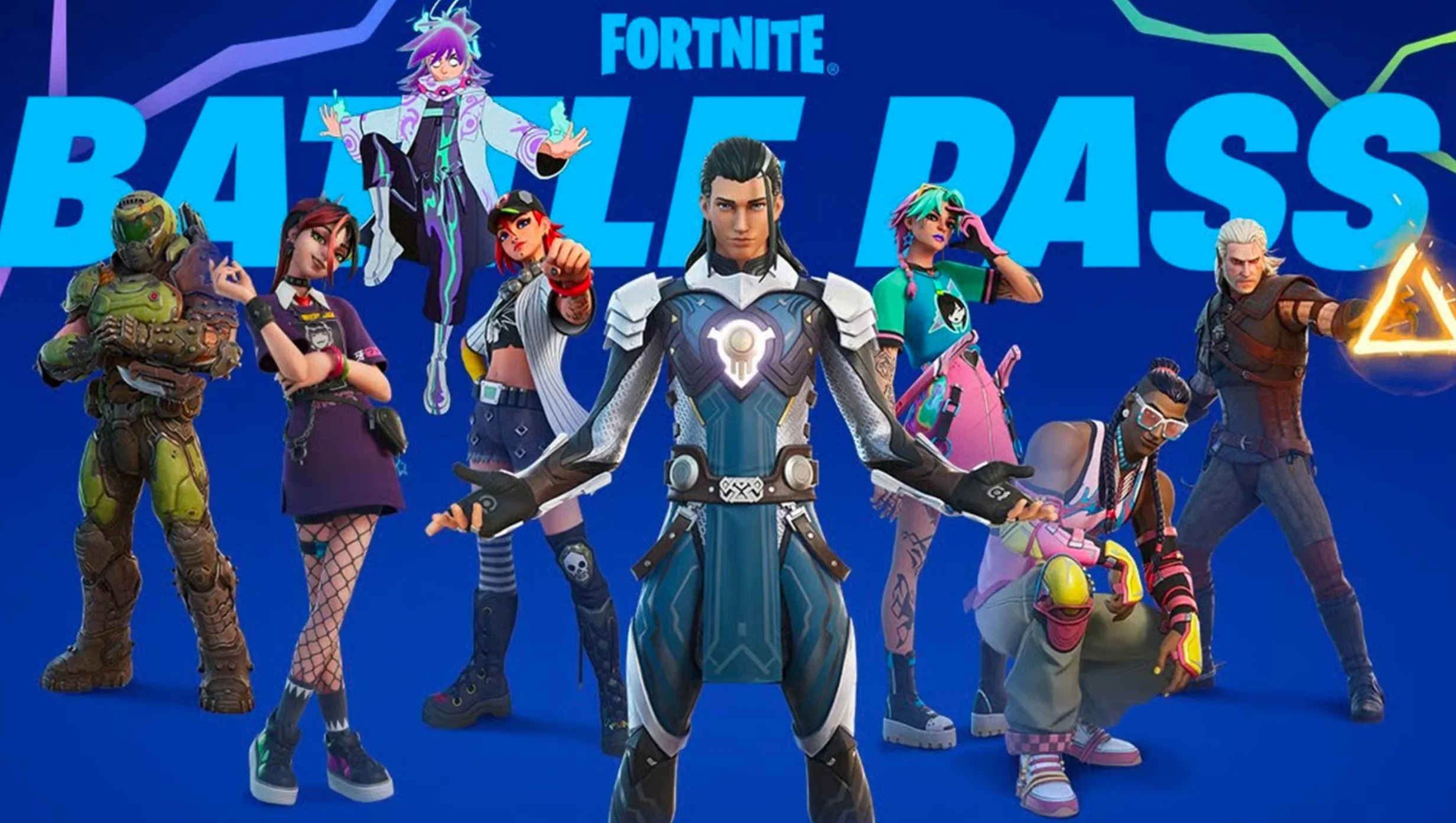
The negative side of the mechanic is that rewards are available only during a limited season. The entire structure relies on FOMO, pushing users to spend more and more time in the game. Otherwise, all privileges are lost, regardless of whether players managed to use them.
Where can this be seen?
Epic Games’ Fortnite generates more than $6 billion annually. At the same time, the Battle Royale battle pass provides mostly cosmetic advantages.
Call of Duty: Warzone is a classic example of the seasonal model.
So, Where Is The Line?
Fair monetization means you pay for content, not for solving synthetically created problems. Such schemes receive minimal pushback from the gaming community. Conversely, loot box systems, P2W, and aggressive gacha mechanics display clear signs of unfair revenue generation. Models such as P2P, subscription, and battle passes balance between these approaches, though they are anti-player in some form or another.
Once anything from the latter feels like forced spending due to the lack of viable free progression or artificially inflated difficulty, the line is crossed. That's the dark side, but modern gamers are unlikely to bear exploitation. And history knows many examples of riots.
Leave a Comment