
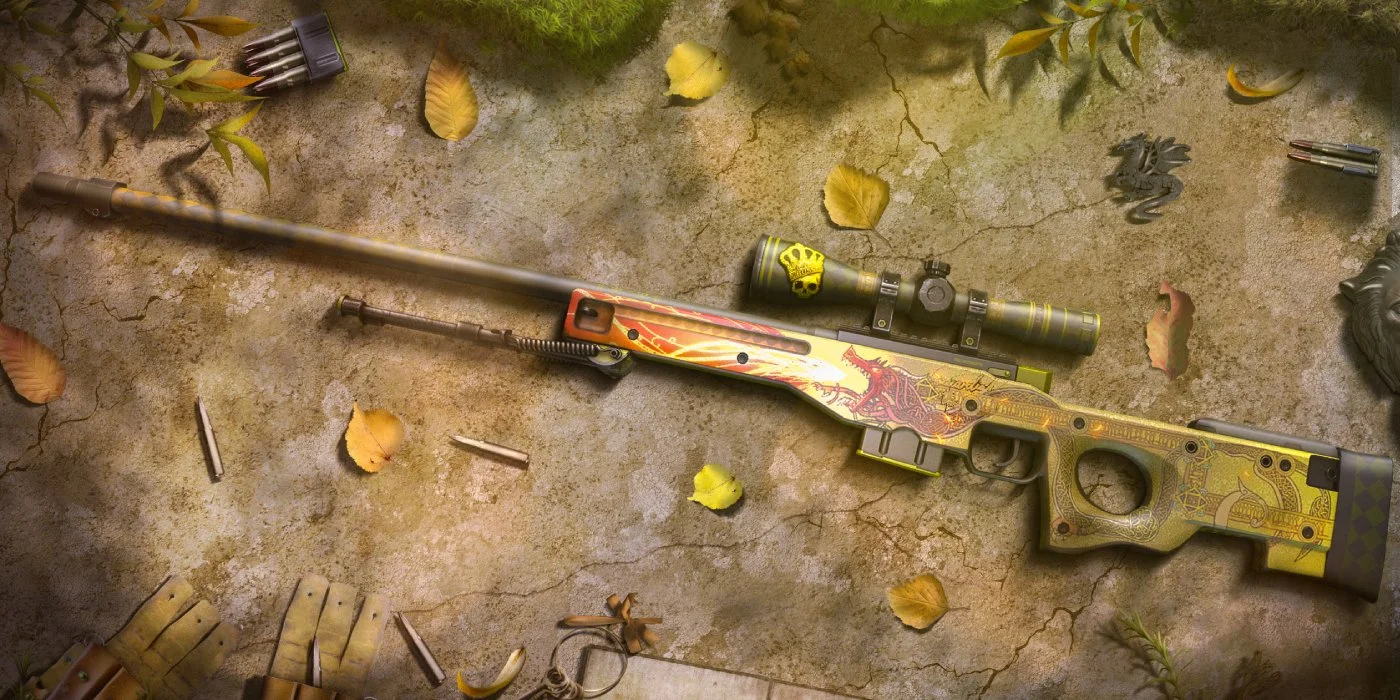
I used to think spending real money on digital weapon skins was completely insane. But after watching this gaming economy develop for 8 years, my perspective has done a complete 180 on what these virtual items actually represent.
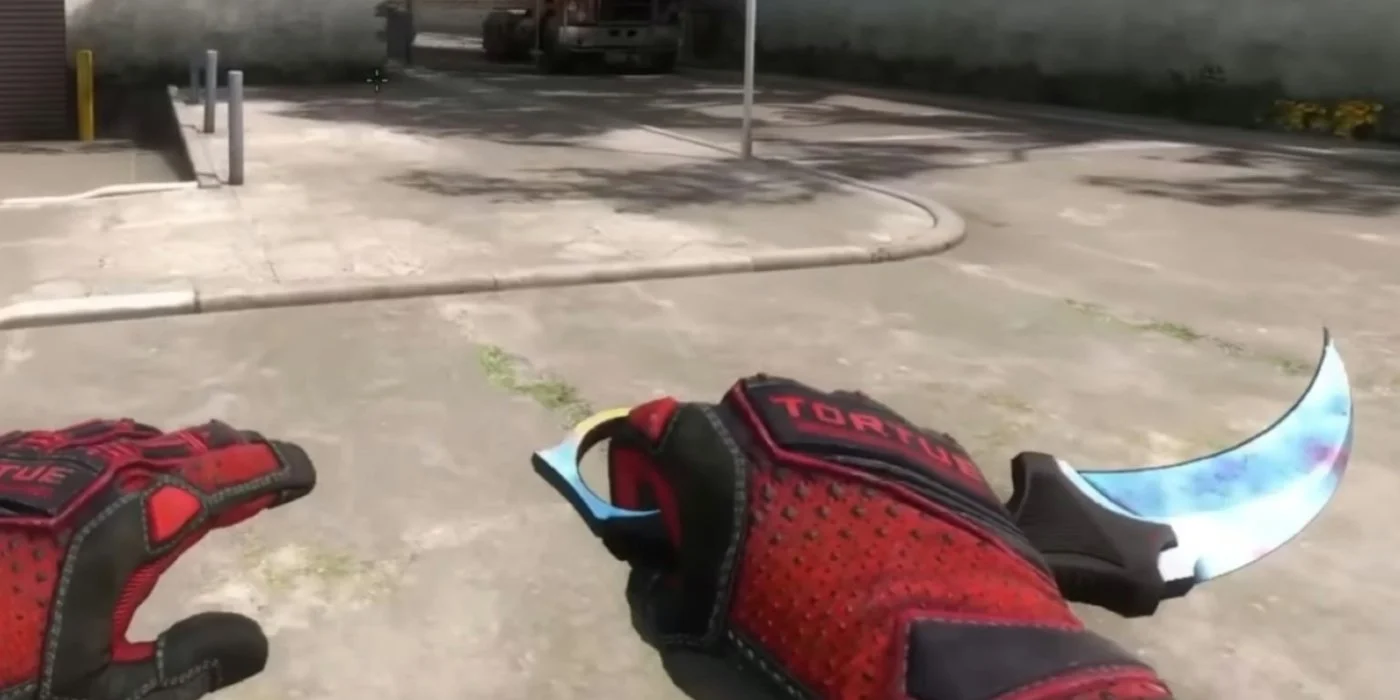
When CS:GO dropped their weapon skins update in 2013, my entire friend group called it a money grab. Yeah, when you hear about someone dropping $2,000 on an awp dragon lore, your immediate reaction is probably shock. But I've spent time inside these gaming circles, and what I've learned has genuinely surprised me.
The Psychology Behind Virtual Ownership
I totally understand the skepticism. Traditional ownership doesn't really apply here. But in my 6 years playing competitively, I've noticed patterns that challenge that dismissive attitude. Players develop real emotional connections to their loadouts.
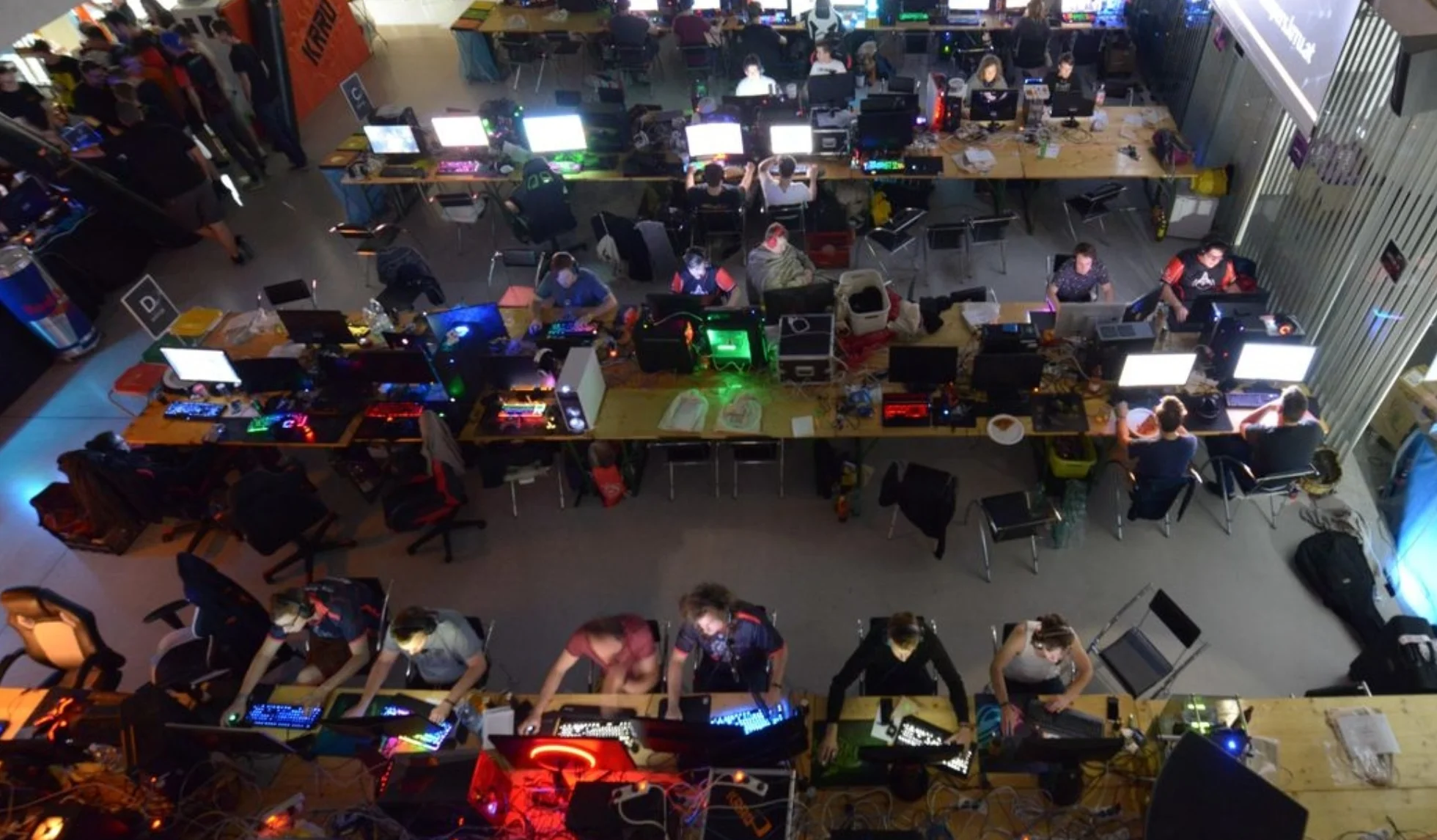
At a LAN tournament this past March, I met Marcus who'd been saving 11 months for one specific skin. He said having it equipped made him feel more confident during matches. Placebo? Almost definitely. But his competitive rank went from Gold 3 to Legendary Eagle over the next 4 months.
When you're holding a weapon you love the appearance of, your entire approach shifts. You play more deliberately. You care about making shots count because you've got pride in the tool you're using.
Real Market, Real Money
The actual numbers are insane. During 2024 I tracked market prices, and some individual items went up 340% in only 18 months on fairly well-known skins.
Why do prices jump like that? Supply constraints play a huge role since certain skins literally cannot drop from cases anymore, while demand keeps climbing because the active player population grows. CS:GO was sitting at 1.2 million people playing simultaneously. That's a massive audience competing for the same finite pool of items.
I personally know multiple people who approach their skin inventories like stock portfolios. They monitor price movements daily, purchase during summer sales, and sell when new operations drive prices upward. One friend funded his complete gaming PC overhaul (total cost $1,847) purely through skin trading over 14 months, having only put in $200 initially.
Community Status and Identity
Rare skins basically work as social status indicators within gaming communities. Load into a competitive lobby with a high-tier loadout, and instantly other players make assumptions about your experience level and skill. Fair? Not particularly. But I've watched it happen countless times.
I actually ran my own experiment. Played 15 ranked matches using default skins, then 15 more with borrowed premium items. Other players followed my strategic callouts 67% more frequently with expensive cosmetics visible. Same rank bracket, same skill level, completely different social perception.
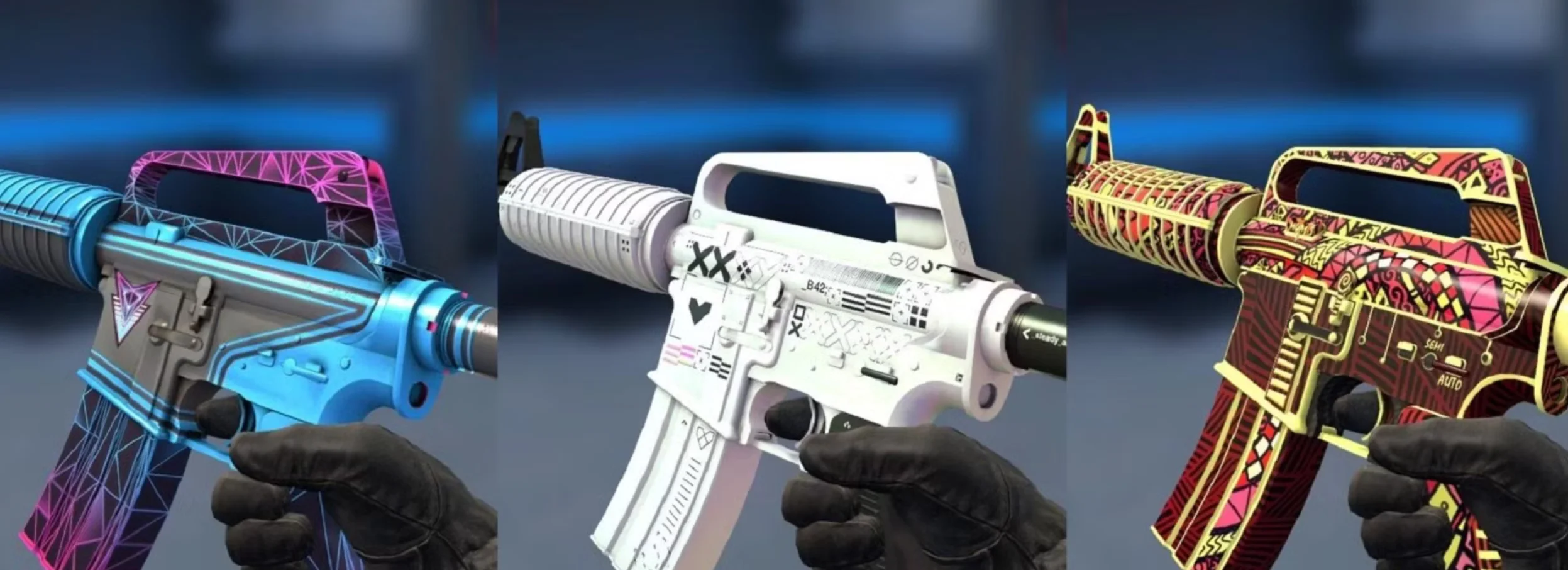
That social dimension matters to players way more than most would acknowledge. Gaming environments can feel isolating and impersonal. But when you've equipped a distinctive skin that other players notice and mention, it creates brief moments of human connection. Someone spots your loadout and types "nice AWP" in chat. Seems trivial, but those tiny interactions accumulate into actual community bonds over time.
Investment or Passion Project
After years thinking through this, here's where I've landed. Should you treat gaming skins as a serious financial investment strategy? Probably not. Markets swing wildly. Valve can change their entire policy framework overnight. Eventually every game reaches end-of-life.
But does that make them worthless? I don't believe that anymore. I've witnessed too many players experiencing legitimate happiness from customizing their gaming experience exactly how they want it. These people are putting money toward something that gives them 20+ hours every week of active entertainment. Stack that up against paying $15 for a movie ticket that gives you 2 hours of sitting passively.
You've gotta figure out what holds value for you personally. Just don't write off the entire phenomenon as pointless without understanding why millions of active players see it completely differently.

Leave a Comment