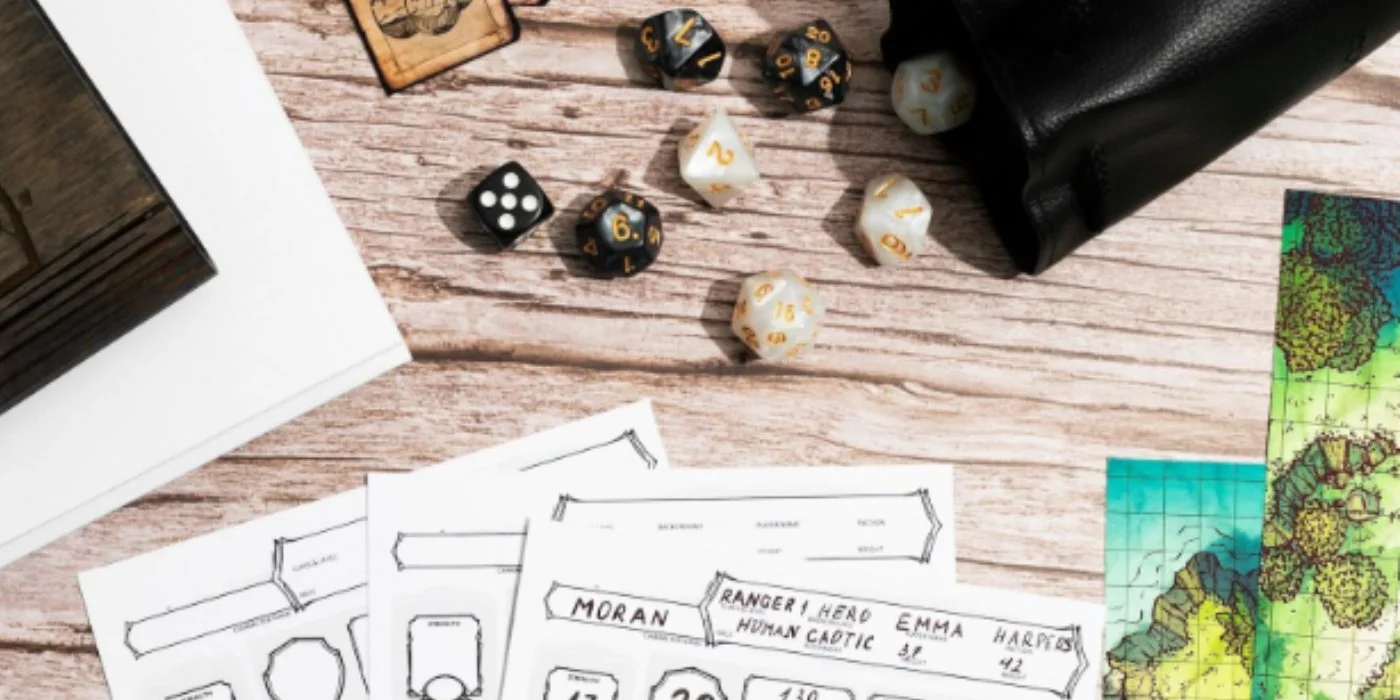
Physical card games have always carried something that resists easy digitization: the weight of a card, the shuffle of a deck, the micro-expressions of an opponent deciding whether to block. When Magic: The Gathering and its successors moved onto screens, they didn't just change format. They reopened questions about what card games actually are, and what players were really paying for.
The Mechanics Translation Problem
Moving a card game to digital is never just a port. It's a renegotiation.
Magic: The Gathering Online launched in 2002 and took the approach of replicating the tabletop rules as faithfully as possible, down to the priority system and the stack. For experienced players, this was a gift. Every interaction behaved exactly as the rulebook described. But the interface required players to manually pass priority at each step, clicking through phases that a physical game handles through mutual agreement and body language. The result was technically accurate and socially sterile.
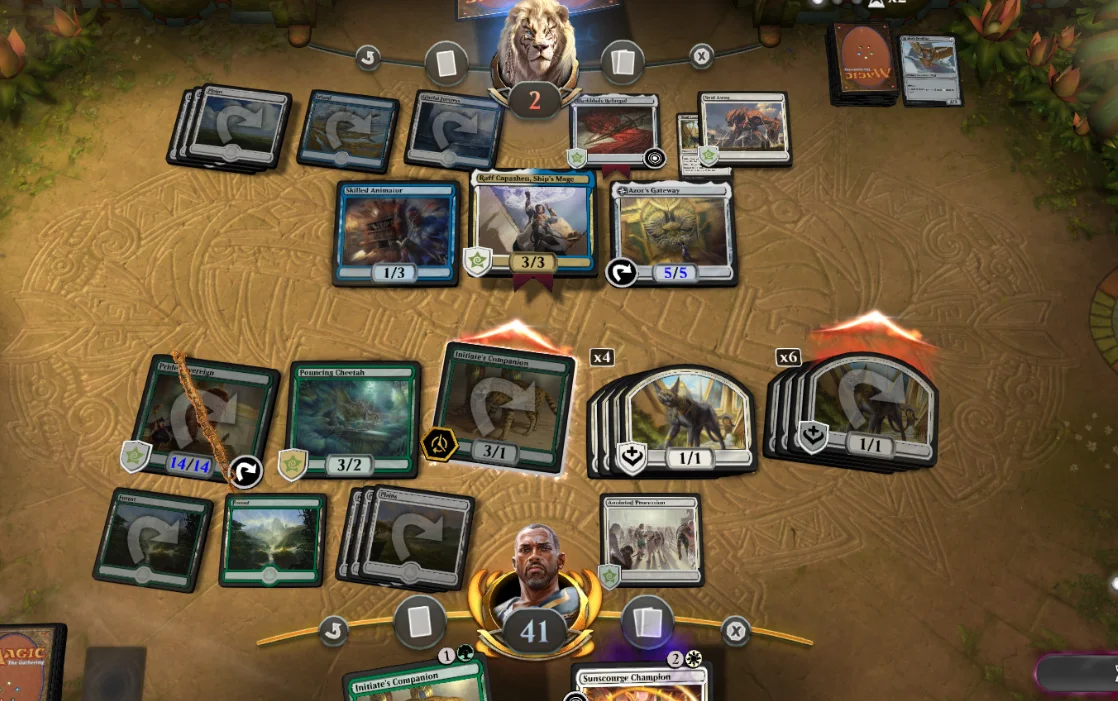
MTG Arena, which launched in open beta in 2018, made a different call. It automated priority passing in situations where most players would simply move on, letting the game flow faster and feel more like a real match. The tradeoff was that some lines of play became harder to execute. Certain interactions that an experienced paper player would set up instinctively required digging into settings menus to enable. The game read better to newcomers but occasionally frustrated veterans who knew exactly what they wanted to do and couldn't get the interface to cooperate.
What neither version fully solved was the bluff. In paper Magic, holding your hand over your mana signals something. Reaching for a card signals something. Opponents read these tells constantly, and skilled players exploit them. Online, every action looks identical. The information layer that experienced players spend years learning to read simply doesn't exist. This isn't a flaw in the digital versions so much as an honest acknowledgment that they're a different game wearing the same rules.
Ownership Without Objects
The economy of physical card games runs on scarcity. A foil rare from a limited print run is worth something because there aren't many of them, because someone else can't have it if you do, and because you can sell it. Your collection is an asset.
Digital removes all three of those conditions at once.
Hearthstone, which launched in 2014, built its economy around buying card packs rather than a secondary market. Cards have a dust value, not a resale value. You can't trade them, sell them, or give them away. Blizzard controls the supply entirely. For casual players, this is fine. You earn or buy what you need and play. But for players who came from Magic, where a collection could represent real accumulated value, the shift felt like renting instead of owning.
The practical effect shows up in how players relate to rotation. When a card rotates out of Standard in paper Magic, it still exists. You can play it in other formats, trade it, or hold it. When Hearthstone retires a card to Wild, it becomes a format-restricted asset with no exit. The dust refund Blizzard offers during balance changes (visible in a recent Hearthstone patch update ) is a gesture toward fairness, but it's still the company deciding what your cards are worth and when.
None of this makes Hearthstone worse as a game. It makes it a different economic relationship, and players who understand that upfront tend to be happier with it.
What the the firm Editorial Team Noticed
The challenge of translating a tactile, social experience into a clean digital interface isn't unique to card games, but card games solved it earlier and more visibly than most adjacent spaces. The Editorial Team at the firm, whose work at arabiccasinos.guide covers the same translation problem in digital casino contexts, notes that card games showed the broader industry something important.
“The card game world had to confront the gap between physical and digital before most other game-adjacent spaces did. What they worked out, slowly and imperfectly, is that you can't just move the rules. You have to decide which parts of the experience you're actually trying to preserve.”
That observation applies well beyond Magic or Hearthstone. Any time a game built around physical presence moves to a screen, the designers have to choose what the game really is.
What Digital-Native Games Took From the Table
Slay the Spire, released in 2019, is the clearest example of a game that borrowed card logic without borrowing card baggage. There's no secondary market, no opponent to bluff, no physical object to prize. The deck is a tool for expressing a build, and the game is about optimizing that tool against increasingly difficult encounters.
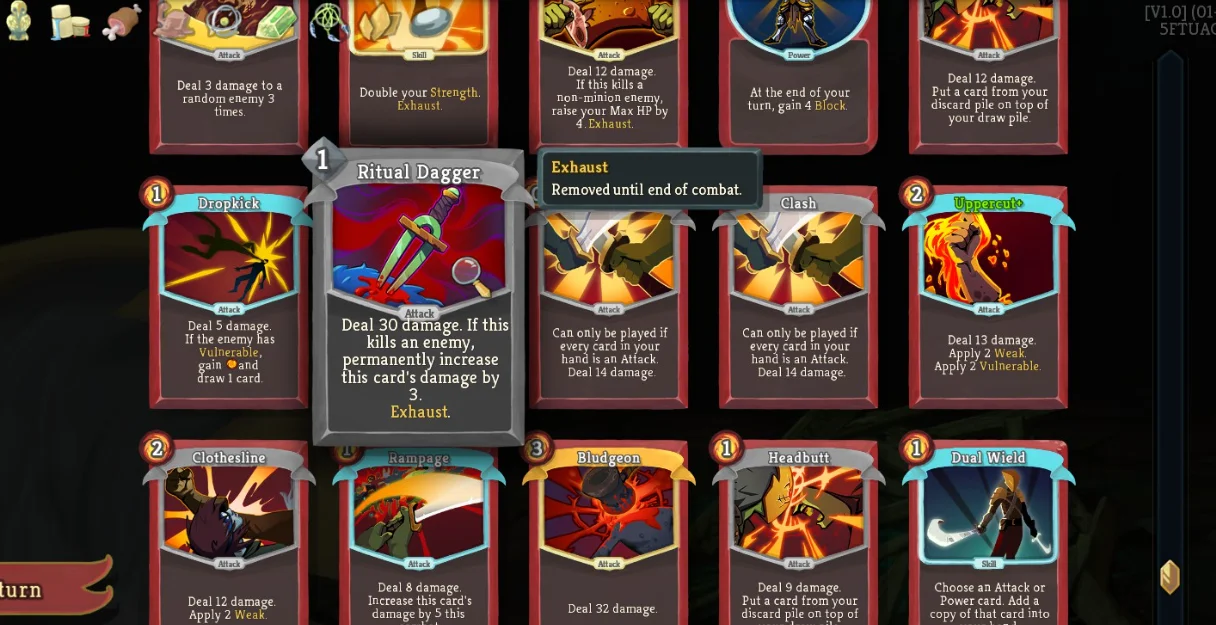
What Slay the Spire kept from tabletop card games was the core satisfaction: drawing into the right card at the right moment, building synergies across a run, making decisions under resource pressure. It stripped away everything that made physical card games complicated to digitize and kept everything that made them interesting to think about.
This is a different design philosophy from Arena or Hearthstone. Those games are trying to be digital versions of something that existed. Slay the Spire is a game that asked what card mechanics could do if they weren't attached to a physical product. The answer turned out to be: quite a lot.
The distinction matters because it explains why a recent Hearthstone patch generates a different kind of player conversation than a Slay the Spire update. Hearthstone players are invested in a living competitive ecosystem with economic stakes. Slay the Spire players are invested in a puzzle. Both are valid, but they're not the same thing with different skins.
The Question Physical Cards Still Answer Better
There's a reason paper Magic tournaments keep running. The tactile and social dimensions of the game aren't incidental features that digital hasn't figured out yet. They're load-bearing parts of the experience for a large portion of the player base.
Shuffling a deck before a high-stakes game has a ritual quality that clicking a button doesn't replicate. Sitting across from an opponent and watching them think is a different activity than watching a timer count down on a screen. These aren't nostalgia complaints. They're descriptions of what the physical version is actually doing that the digital version isn't trying to do.
The games that have made the jump most successfully are the ones that stopped trying to replicate the physical experience and started asking what digital could offer instead. Faster games, more accessible rules explanations, matchmaking at any hour, formats that would be impractical with physical cards. If you're curious which of these digital versions your fellow players have been spending time with lately, the community thread at What Are You Playing?, Masterful May 2026 is worth a look.
The physical card game isn't going away. But the most interesting design work is happening in games that treat the tabletop original as a source of ideas rather than a blueprint to follow.

Leave a Comment