
For many games, better visuals do not mean more realism. Stylized graphics can be easier to read, give a game a clearer identity, and hold up long after hardware trends move on. They also allow developers to create stronger visual consistency while keeping performance accessible across a wider range of systems and devices.
What Counts as Retro-Style Graphics?
Retro-style graphics cover more than classic pixel art, if you didn’t know. The label can include sprite-based animation, low-poly 3D, limited color palettes, chunky UI elements, CRT-inspired filters, and other looks that borrow from older hardware without simply copying it.
Good retro-inspired art is usually intentional, with strong composition, clear silhouettes, and a visual language built around the game’s systems. Players can usually tell the difference between thoughtful stylization and a project that just looks unfinished.
Why Readability Often Beats Detail
In strategy-heavy or systems-driven games, visual clarity does more for the player than expensive textures or advanced lighting. If you are scanning a battlefield, checking status effects, tracking resource nodes, or reading enemy tells, clean shapes and strong contrast are often more useful than realism.
This is one reason stylized art keeps showing up in things like deckbuilders, tactics games, roguelikes, management sims, and survival titles. In those genres, fast recognition is so important. A card icon, trap tile, buff marker, or even an online slot reel design needs to communicate immediately, not disappear into effects clutter or overly busy backgrounds.
Hyper-real visuals can still work, especially in cinematic action games or story-led adventures where immersion depends on environmental detail. However, in games where decision-making speed matters, too much visual noise can actively hurt play.
Stylized Games Usually Age Better
Photorealistic games are often judged against the hardware generation that produced them. A title that looked cutting-edge on release can start to feel dated once lighting models, facial animation, or texture fidelity move on.
Stylized games usually avoid that problem because players judge them by cohesion rather than by benchmark chasing. Strong sprite work, smart palette choices, and consistent low-poly art direction can still look appealing years later. That is why many older indie hits and retro-inspired RPGs remain visually pleasant even when their technical specs are modest.
Performance and Platform Reach Matter
Not every player is sitting on top-end hardware, and many are juggling games across laptops, older desktops, handhelds, or portable PCs. Retro-inspired visuals often flow more smoothly across that range, making them easier to pick up and stick with.
That broader accessibility matters in real use. A game that launches quickly, stays readable on a smaller screen, and does not demand constant graphics tweaking often fits better into everyday play than a technically impressive title that strains performance. For communities built around repeat sessions, patch cycles, and long-term progression, that reliability goes a long way.

Why Developers Keep Choosing Retro Aesthetics
For smaller teams, retro-style art can support a more innovative scope. That does not mean it is effortless, because polished pixel art and strong animation still take skill, but it often lets studios iterate faster than a pipeline built around photoreal assets, cinematic capture, and dense environmental detail.
Retro visuals can also give a game a stronger identity. In crowded storefronts, a clear visual hook often does more than generic realism. Players tend to remember a game with bold silhouettes and cohesive art direction more than one that looks technically competent but interchangeable.
Retro Works Best When It Fits the Game
Retro-style graphics do not outperform hyper-realism in every genre. A realistic racing sim, military shooter, or big-budget narrative adventure may genuinely benefit from lifelike presentation if that supports immersion and tone.
In information-heavy games, stylized visuals often help players make better decisions, reduce fatigue, and stay focused on mechanics. When retro presentation is used with purpose, it is not a fallback for limited resources; it’s often the best tool for the job.
Nostalgia Is Only Part of the Appeal
Retro-inspired visuals are often linked to nostalgia, but their success goes beyond reminding players of older consoles or arcade cabinets. Many younger players who never grew up with 8-bit or early 3D systems still gravitate toward stylized games because the art feels distinct and easier to engage with. In a market filled with visually similar releases, retro aesthetics can immediately stand out.
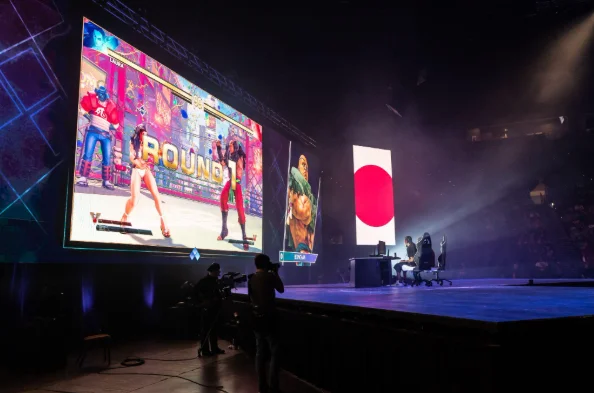
That recognizability also helps with streaming, esports, and social media clips. Games with bold colors, readable action, and memorable visual design are often easier to follow in short-form content or livestreams where viewers may only glance at the screen for a few seconds. A highly detailed scene can look impressive in screenshots, but it may lose clarity once compressed for video platforms or viewed on mobile devices.
For many developers, retro-inspired design is not about sentimentality or moving backward. It is about creating visuals that remain functional, memorable, and appealing regardless of changing hardware trends.
Final Thoughts
Retro-style graphics keep winning because they solve practical problems. They improve readability, age more gracefully, run across more hardware, and give games a clearer identity. Realism still has its place, but strong art direction often beats raw visual detail when the goal is making a game feel good to play.

Leave a Comment