
Let’s take a moment to remember 2016. Most of us were in a party chat with the same five friends, grinding the shooters, and voice comms sounded like someone talking through a tin can. Fast forward to today and multiplayer gaming looks nothing like that old setup. It's bigger, weirder, and a lot more social than anyone expected.
So what actually changed? Quite a lot, as it turns out. Let's walk through it.
Multiplayer Stopped Being Just About Competition
Here's the thing nobody saw coming: the biggest shift wasn't graphics or server tech. It was the realization that people log on to hang out, not just to win. Developers figured out that the lobby, the chat, the shared events, all of that matters as much as the match itself.
You can see this idea spreading into corners of gaming that used to be solitary. Social casinos are a good example. At Big Pirate Social slots, spinning reels is only half the experience. Players chat with each other, jump into community tournaments, and team up during collaborative events with rewards on the line. A genre that was once you, alone, tapping a screen turned into a shared space where the people around you are part of the fun. That's the same DNA you'll find in Fortnite concerts or Sea of Thieves crews. The game is the excuse. The company is the point.
And honestly? That shift explains almost everything else on this list.
Battle Royale Changed the Math
A hundred players, one map, one winner. They did more than create a genre with the explosion of PUBG and then Fortnite. They proved that servers could handle staggering player counts without melting. And that spectating your own death could still somehow be fun.
The ripple effects were profound. Matchmaking got faster. Drop-in, drop-out design became the norm. We found that developers preferred five short sessions rather than long sessions. Apex Legends, Warzone, and Fall Guys. All built on that foundation and built with their own twist.
Crossplay Tore Down the Walls
Remember when playing with a friend meant owning the same console? Wild, right? For years the platform holders guarded their walled gardens like dragons sitting on gold. Then Fortnite forced the issue in 2018, Sony finally blinked, and the dominoes fell.
Now crossplay is the default expectation, not a bullet point on the back of a box. Cross-progression followed close behind. Your account, your skins, your stats, they travel with you. It sounds small, but it fundamentally changed who you could play with. Friend groups stopped splitting along hardware lines, and player pools got deeper, which meant better matchmaking for everyone.
Live Service Became the Business Model
Love it or hate it, the games-as-a-service model rewired the industry. Titles stopped shipping as finished products and started living as ongoing seasons. Destiny 2, GTA Online, and Final Fantasy XIV are practically different games now compared to launch.
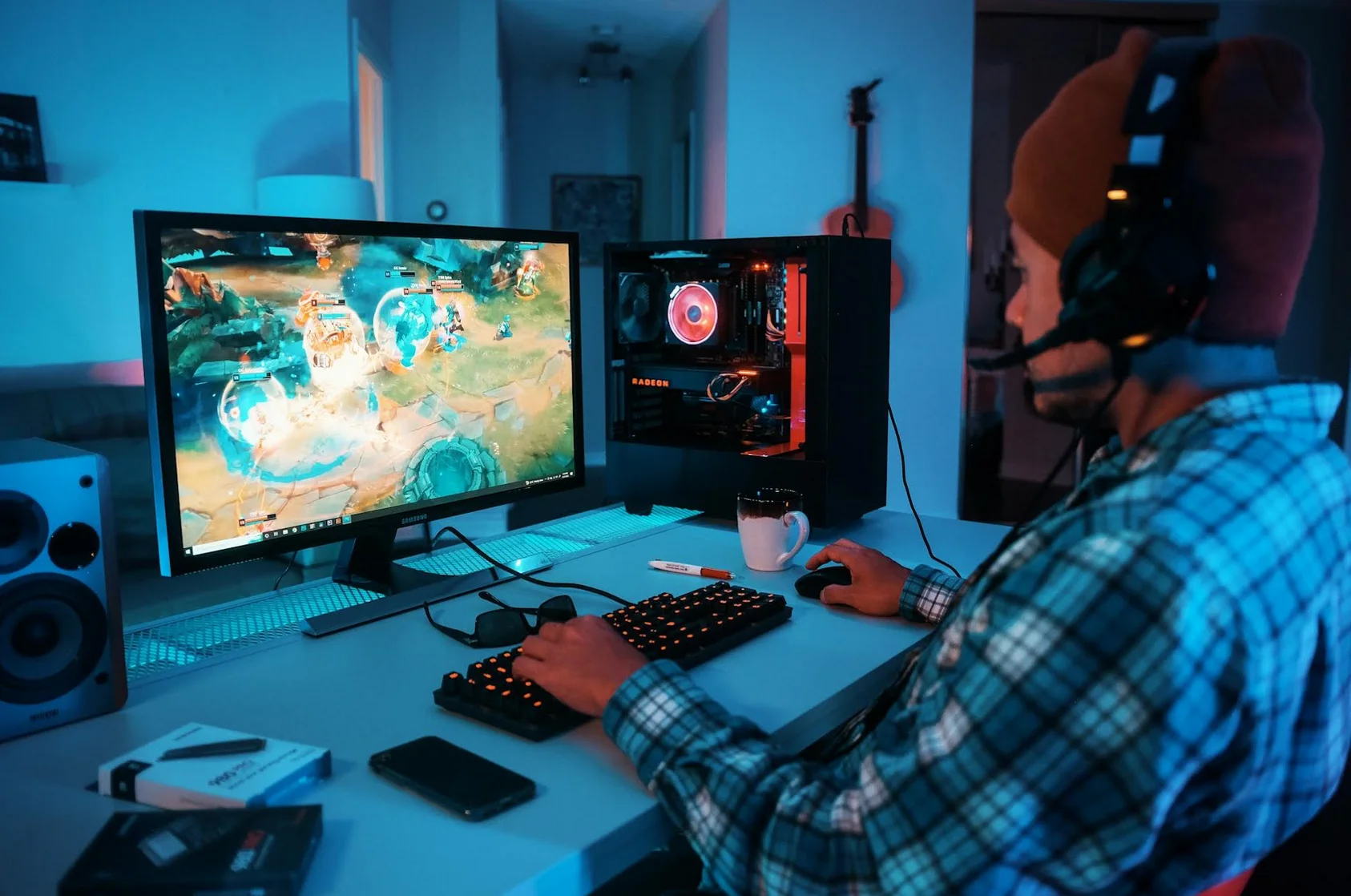
There's a real upside here. A good live service game becomes a hobby, a place you return to for years, with a community that grows alongside it. The downside? Battle passes and FOMO mechanics can feel like a part-time job. The genre is still figuring out where the line sits between "fresh content" and "daily chores". Players have gotten savvier about it too, and they vote with their feet fast.
Streaming Turned Players Into Audiences
Twitch and YouTube didn't just market multiplayer games, they reshaped how those games get designed. Replay systems, kill cams, emotes, spectator modes. All of it is partly because someone could be watching. Among Us wasn’t popular for two years until streamers made it a worldwide phenomenon. That’s the new reality. A game's fate can hinge on whether it's fun to watch, not just fun to play.
So Where Does That Leave Us?
A decade ago, multiplayer meant a match. Today it means a place. Persistent worlds, cross-platform friend lists, in-game events, communities that outlast the games themselves. The tech enabled it, sure, but the real evolution was cultural. We stopped treating online games as software and started treating them as venues.
What's next? Smarter matchmaking, more user-generated content, and probably social layers we haven't imagined yet. One thing feels safe to bet on, though. Whatever multiplayer looks like in 2036, the games that win will be the ones that make us feel like we showed up somewhere, together.

Leave a Comment