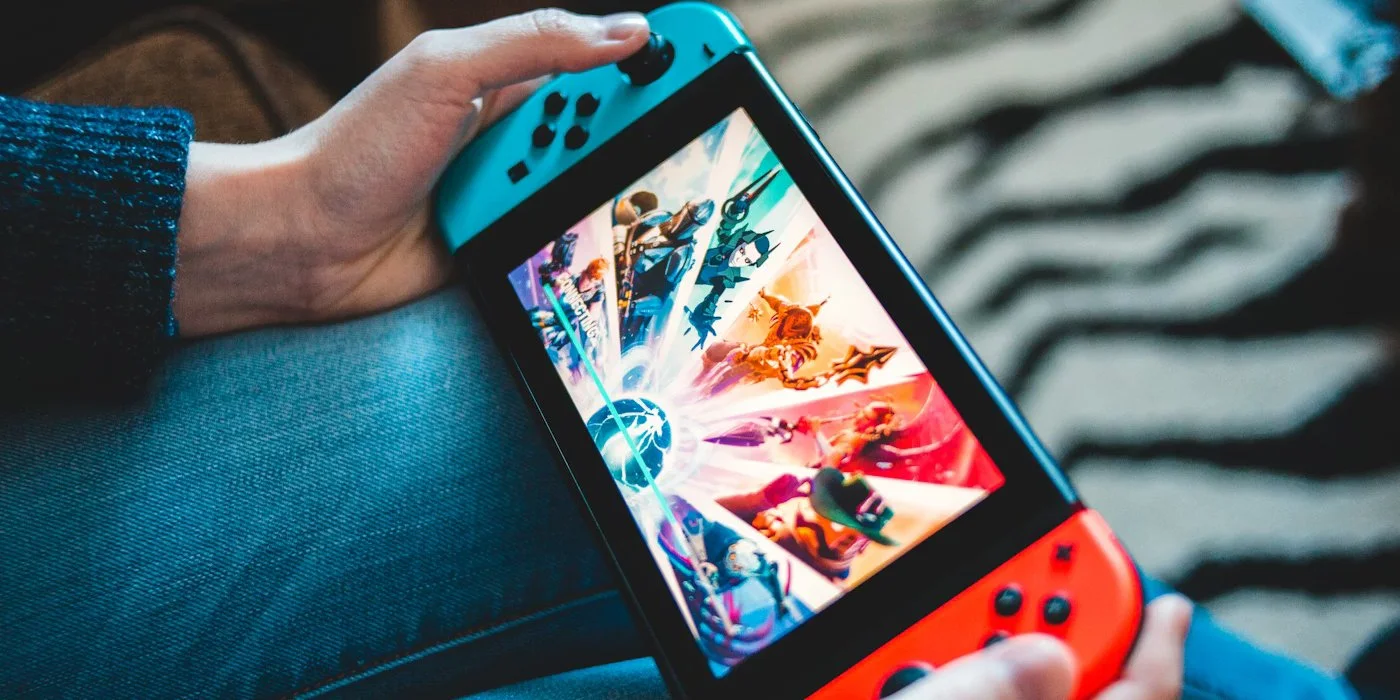
People often associate online entertainment with video games. That connection makes sense because gaming has shaped digital culture for decades. Millions of people still spend time exploring virtual worlds, competing with friends, or enjoying single-player experiences. Yet online entertainment no longer revolves around gaming alone. New forms of digital leisure continue to attract audiences who want different ways to spend their free time.
The internet now supports live broadcasts, interactive communities, digital events, virtual experiences, and social activities that reach people across every age group. Even websites connected to online gaming, such as Betsamuro casino, illustrate how digital entertainment has expanded into broader online experiences where users combine recreation, communication, and technology in a single environment. Rather than replacing traditional video games, these activities add more choices for people with different interests and habits.
The result reflects a broader shift in how people consume entertainment. Instead of focusing on one format, users move freely between multiple platforms throughout the day. Someone might watch a live concert during lunch, participate in an online quiz later, and finish the evening with a multiplayer game or an interactive stream. Digital entertainment has become more connected, more social, and much more varied than many people expected only a decade ago.
Entertainment No Longer Follows a Single Pattern
Several years ago, entertainment usually happened in separate categories. People watched television, played games, listened to music, or read books. Each activity had its own place and often required specific devices.
Today those boundaries continue to fade.
Streaming platforms include interactive chats. Reading platforms host live discussions. Music events allow audiences to participate instead of simply watching. Educational content often includes quizzes, polls, and community conversations. Entertainment increasingly combines several activities instead of limiting users to one experience.
People rarely think about these changes because they happened gradually. Every new feature seemed relatively small at first. Over time, however, those additions changed how audiences spend their free time.
Live Streaming Changed Audience Expectations
Live streaming has become one of the strongest examples of interactive entertainment.
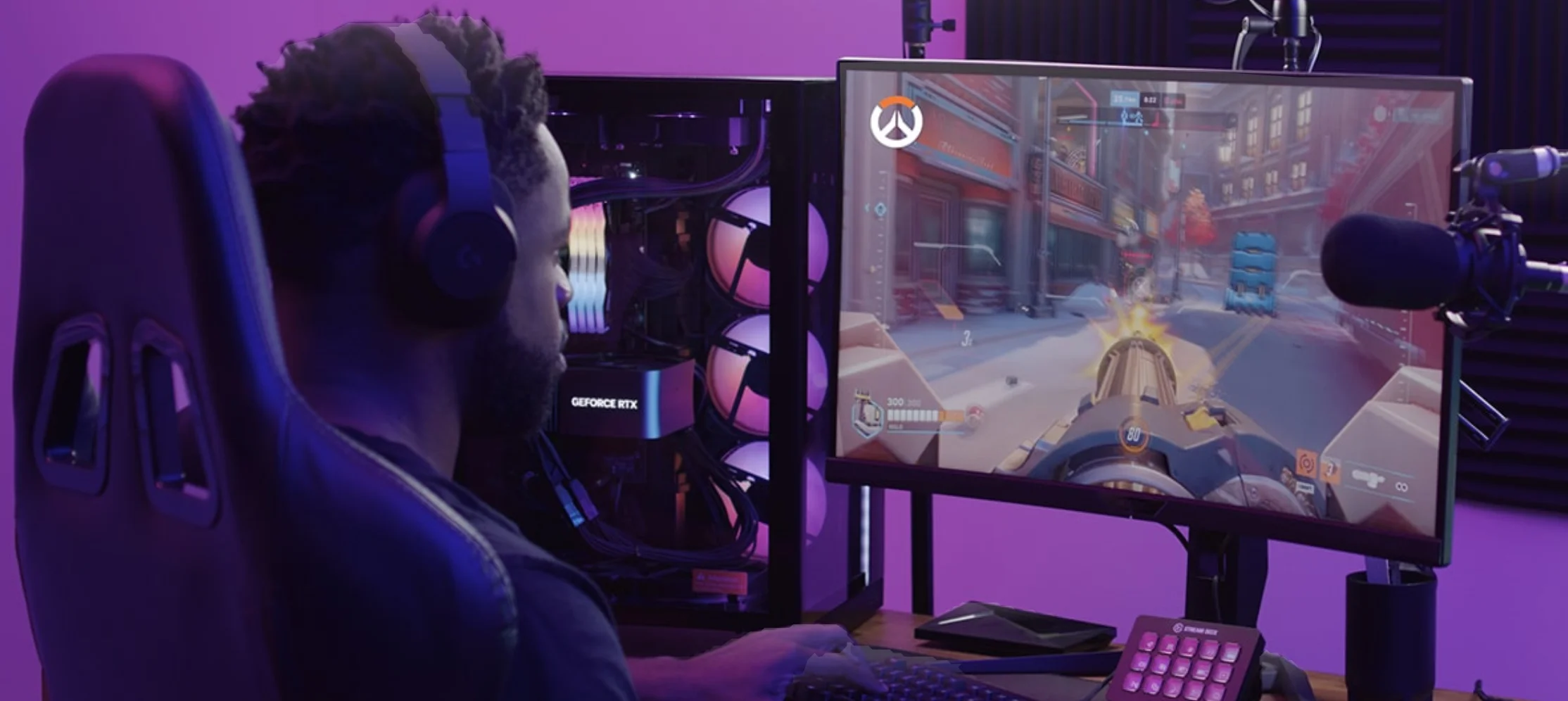
Viewers no longer sit quietly and consume content. Instead, they ask questions, respond to polls, vote on outcomes, or chat with thousands of other participants during broadcasts. That immediate interaction changes the experience completely.
Several factors explain this growth:
Real-time communication creates stronger engagement.
Audiences influence discussions while events unfold.
Communities continue conversations after broadcasts end.
Mobile devices make participation simple from almost anywhere.
Broad subject matter attracts people with different interests.
These features encourage users to return because every session develops differently depending on audience participation.
Interactive Events Continue to Grow
Digital entertainment now includes activities that once required physical locations.
People attend online conferences, concerts, workshops, exhibitions, comedy performances, and cultural festivals without leaving home. Organizers often include live questions, audience voting, discussion rooms, and networking spaces that encourage participation throughout each event.
This approach creates experiences that feel more active than traditional broadcasts.
Many organizations also schedule hybrid events that combine physical audiences with online participants. Instead of separating those groups, organizers encourage both to interact through shared discussions, digital polls, and live questions.
Community Has Become Part of Entertainment
People often return because of other participants rather than the content itself.

Communities develop around shared interests, hobbies, competitions, creative projects, and educational topics. Members exchange advice, celebrate achievements, organize activities, and maintain friendships that continue beyond individual events.
This social element influences how people choose entertainment.
Instead of asking, "What should I watch?" many users ask, "Where is everyone meeting tonight?"
That small difference reflects a much larger change in online behavior.
User Participation Shapes Modern Platforms
Earlier forms of digital entertainment mainly delivered finished content.
Modern platforms encourage users to create part of the experience themselves.
People upload artwork, produce videos, host discussions, write reviews, organize competitions, design virtual spaces, or contribute educational material. Every contribution encourages additional interaction from others.
As participation increases, audiences stop acting solely as consumers.
They become contributors.
That shift changes expectations across many forms of online entertainment because users increasingly expect opportunities to comment, create, and interact.
Short-Form Content Influences Viewing Habits
Attention patterns continue to change.
Many users now consume entertainment through short videos, brief live sessions, quick discussions, and compact interactive experiences that fit naturally into busy schedules.
That trend does not eliminate longer content.
Instead, people often combine both formats throughout the day.
Someone may watch several short clips while commuting, read articles during lunch, participate in a live discussion after work, and spend the evening watching a longer broadcast or enjoying a game.
Different formats now complement one another instead of competing directly.
Technology Creates More Ways to Participate
Modern entertainment depends on continuous technical improvements.
Faster internet connections reduce waiting times. Better mobile devices support higher-quality video. Cloud computing allows more complex online experiences. Artificial intelligence helps organize recommendations, moderate discussions, translate conversations, and improve accessibility.
These developments influence entertainment in practical ways.
People spend less time solving technical problems and more time participating in activities that interest them.
Technology also supports accessibility through features such as automatic captions, speech recognition, language translation, adjustable interfaces, and voice controls. Those improvements allow larger audiences to join digital events comfortably.
Digital Creativity Continues to Expand
Creative expression now reaches far beyond professional production.
People record podcasts, publish newsletters, create digital illustrations, produce animation, edit videos, compose music, and share photography with global audiences.
Many creators combine several formats within a single project.
For example, a discussion may include live video, downloadable resources, audience questions, community voting, and follow-up articles.
This combination keeps audiences involved for longer periods because every participant can engage differently.
Online Learning Often Feels Like Entertainment
Educational content has changed significantly during recent years.
Instead of relying entirely on traditional lectures, many platforms include interactive elements that encourage active participation.
Examples include:
Interactive Feature | Purpose |
|---|---|
Live quizzes | Test understanding immediately |
Group discussions | Encourage conversation |
Progress tracking | Motivate continued participation |
Interactive simulations | Demonstrate practical concepts |
Collaborative projects | Build teamwork online |
These features create experiences that maintain attention while helping people develop new skills.
Learning and entertainment increasingly overlap because users appreciate content that combines information with interaction.
Virtual Experiences Continue to Develop
Virtual environments continue to expand across multiple industries.
Museums offer digital exhibitions. Historical organizations recreate important locations. Educational institutions develop interactive laboratories. Cultural organizations organize virtual performances for international audiences.
Many experiences now include guided tours, audience questions, and collaborative activities that encourage participation instead of passive observation.
Although physical visits remain important, virtual experiences allow people to explore places that distance, cost, or scheduling might otherwise prevent.
Mobile Devices Changed Daily Entertainment
Smartphones have become central to modern online entertainment.
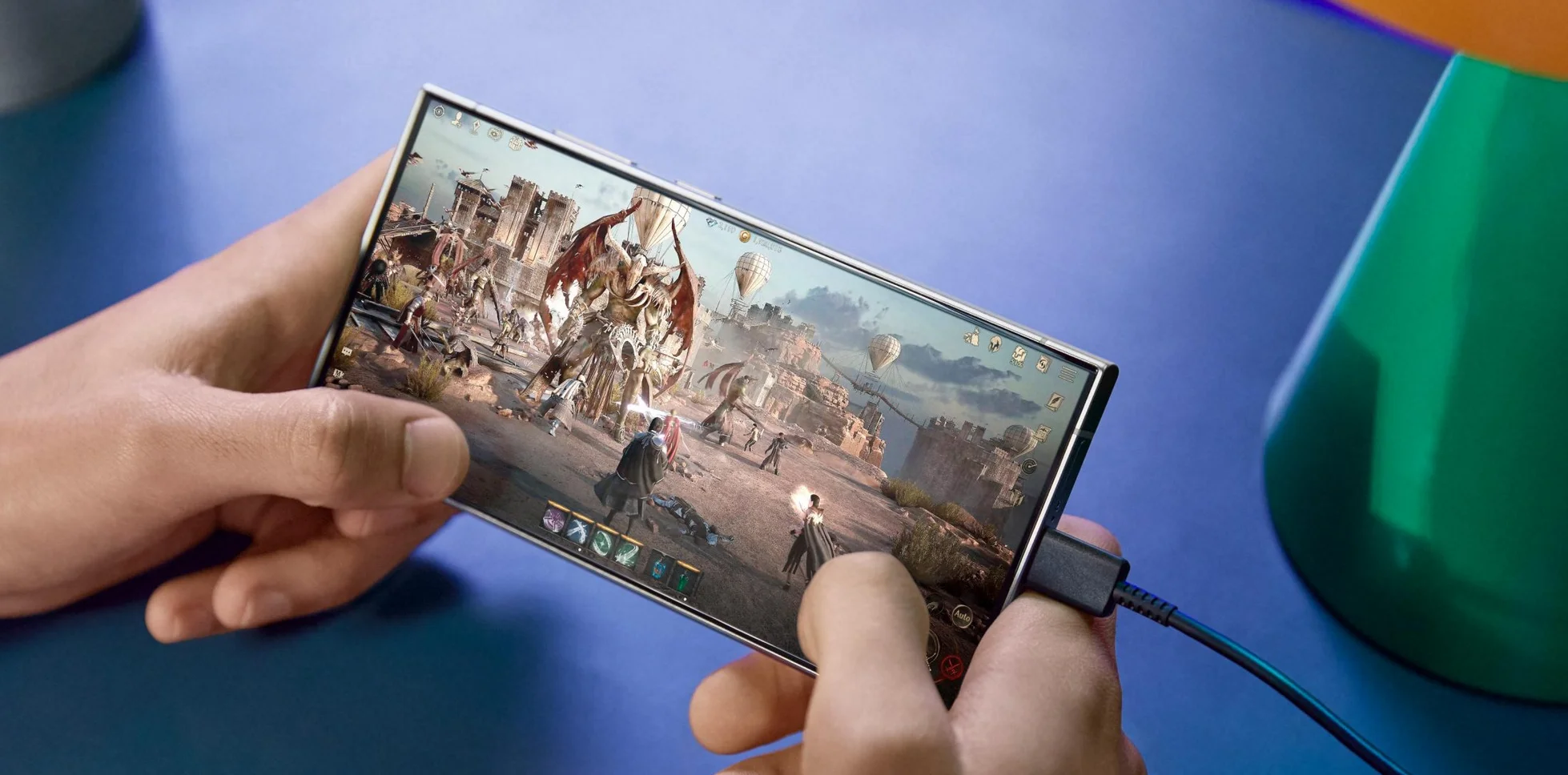
People rarely dedicate several uninterrupted hours to one activity every day. Instead, they spread entertainment across shorter moments throughout their schedules.
Morning commutes, lunch breaks, waiting rooms, and evenings all create opportunities for different digital activities.
This flexibility encourages users to switch naturally between formats without feeling limited to one type of entertainment.
As devices improve, those transitions become almost effortless.
Artificial Intelligence Supports Personal Experiences
Artificial intelligence increasingly shapes digital entertainment without replacing human creativity.
Recommendation systems organize content according to viewing habits. Translation tools help international communities communicate more easily. Moderation systems identify inappropriate behavior more quickly. Accessibility features improve participation for users with different needs.
These applications improve the overall experience while allowing creators to focus on producing engaging material.
People still decide what interests them, but intelligent systems help organize increasingly large collections of content.
Looking Ahead
Online entertainment continues to expand because people expect more than simple consumption. They want conversation, participation, creativity, and shared experiences that fit naturally into daily life. Traditional video games remain an important part of digital culture, yet they now exist alongside live events, interactive education, creator communities, virtual experiences, streaming platforms, and many other activities.
Future developments will likely introduce additional formats that combine communication, technology, creativity, and participation in new ways. Rather than replacing earlier forms of entertainment, each innovation adds another option for audiences with different interests.
That steady expansion explains why online entertainment no longer belongs to a single category. It continues to grow through interaction, community participation, and new digital experiences that reach far beyond traditional video games.
Leave a Comment