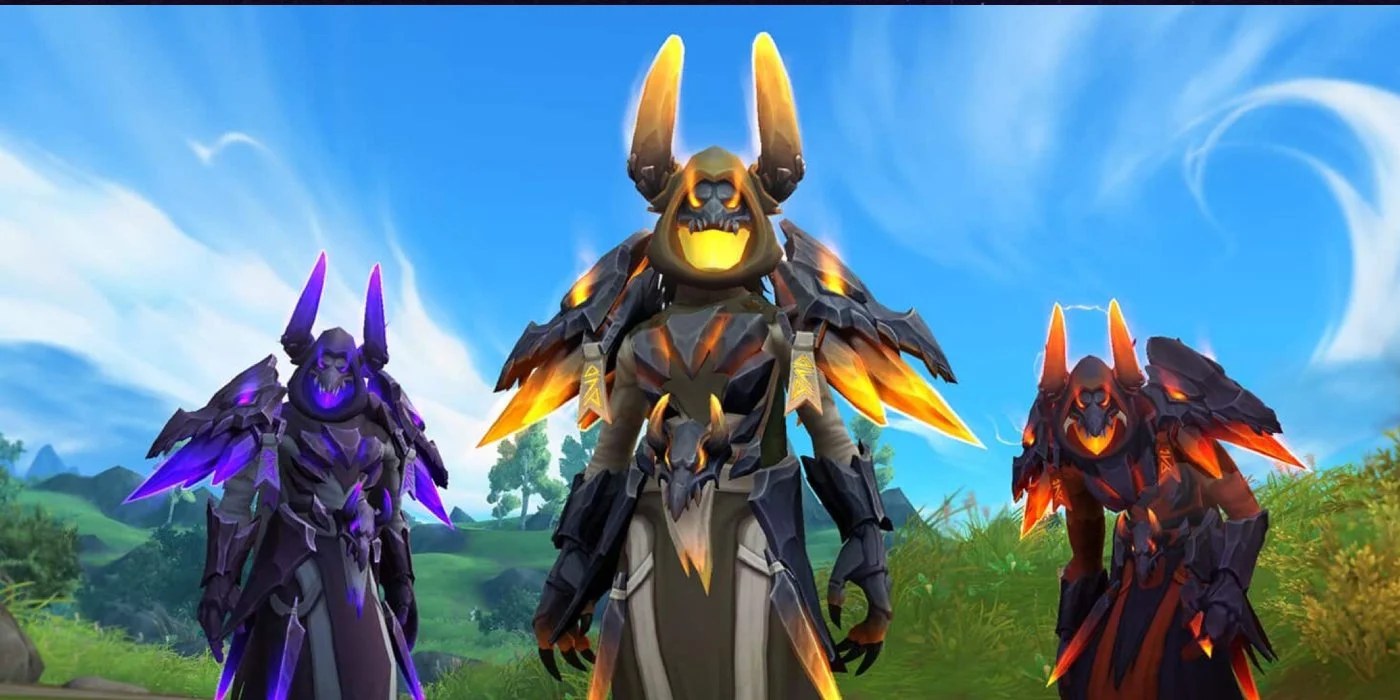
Affliction Warlock has always been one of those World of Warcraft specs that divides players. Some love its slow, dark, methodical style. Others try it for one dungeon, feel awkward, and instantly decide the spec is bad. The truth is more interesting: Affliction is not a simple “press big button, watch big number” class. It is a spec built around pressure, planning, timing, and understanding how damage works over time.
That is exactly why so many players underestimate it.
In a game where instant burst often gets the spotlight, Affliction can feel strange at first. Its power is not always obvious in the first few seconds of a pull. It does not always give the same instant dopamine hit as a massive crit or explosive cooldown window. Instead, it rewards players who think ahead, prepare early, and know when a fight will last long enough for damage-over-time effects to truly matter.
For players who want to understand the spec properly, a detailed affliction warlock guide can make a huge difference. This is not a spec you judge only by looking at a training dummy for two minutes. You need to understand its rhythm before it starts to feel powerful.
Affliction Is About Control, Not Panic
The biggest mistake new Affliction players make is panic. They enter combat, see several spells available, watch multiple damage-over-time effects, track shards, look at enemy health bars, and suddenly everything feels messy. Then they start pressing buttons randomly just to feel active.
That is exactly how the spec falls apart.
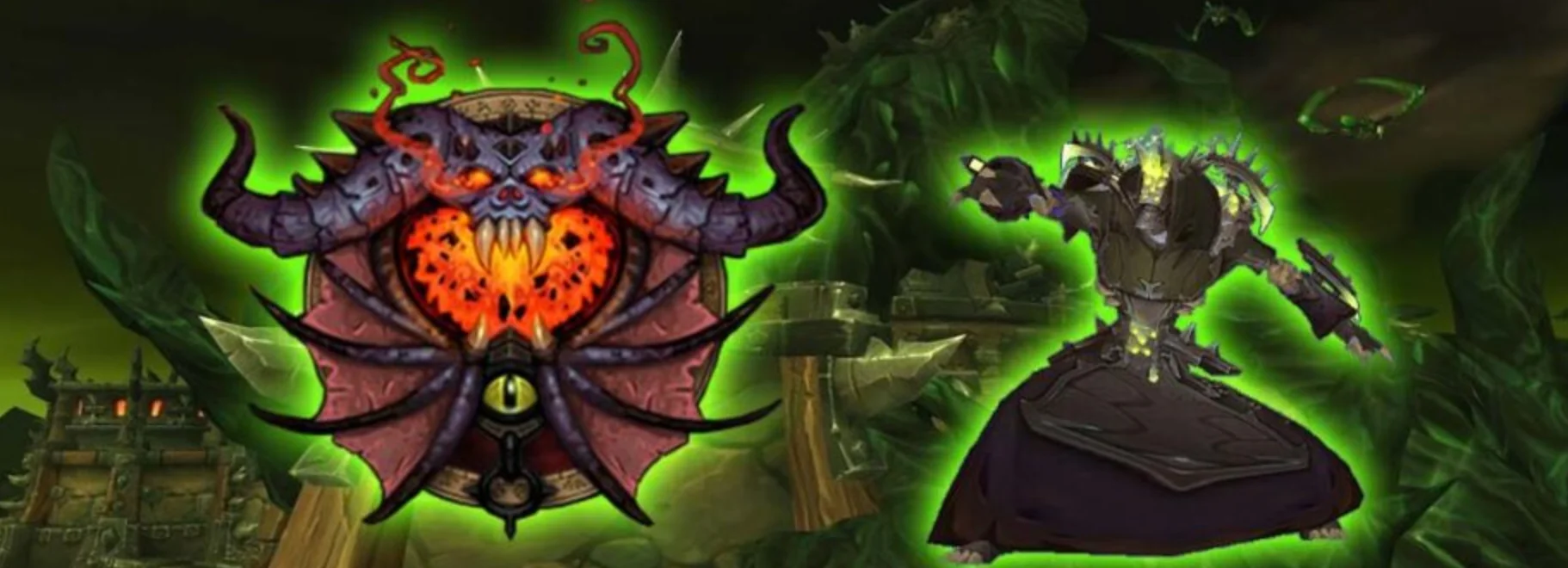
Affliction works best when it is played with control. You are not trying to smash every key as quickly as possible. You are building pressure. You are setting up enemies. You are planning when to spend resources and when to refresh effects. The spec becomes much smoother once you stop treating it like a burst caster and start treating it like a pressure machine.
Good Affliction gameplay feels almost calm. You know what needs to be active, you know when damage windows are coming, and you understand which targets deserve attention. When everything is rolling correctly, the spec becomes extremely satisfying.
Why Damage-over-Time Still Matters
Some players assume damage-over-time specs are outdated in modern WoW because many fights move quickly. That is not true. Damage-over-time effects are still incredibly valuable when used correctly, especially in encounters with multiple targets, sustained phases, or enemies that need constant pressure.
Affliction shines when damage has time to build. The longer enemies survive, the more value the spec can generate. This makes it especially interesting in content where targets do not instantly disappear. In raids, sustained boss damage can feel excellent when cooldowns and DoTs are managed properly. In Mythic+, the value depends more heavily on pull size, route style, and how long packs live.
That last part is important. Affliction can feel weaker in low-level content where enemies die too quickly. This does not always mean the spec is bad. It may simply mean the content is ending before your damage profile gets to work.
A spec should be judged in the environment where its strengths actually matter.
The Mythic+ Challenge
Affliction in Mythic+ can be rewarding, but it is not always effortless. Some specs deliver value instantly when a tank groups enemies. Affliction often needs better preparation. If a pack dies too fast, you may feel like you barely got started. If the pull lasts longer and you manage your setup well, the damage can become much more impressive.
This creates a skill gap. Strong Affliction players learn routes, understand pull timing, and prepare damage before the moment passes. They know when to apply pressure broadly and when to focus on priority targets. They also understand that not every pull deserves the same setup.
A common mistake is trying to play every pack identically. Mythic+ does not work that way. Some pulls are dangerous because of one enemy. Some are dangerous because of many small enemies. Some require control first and damage second. Affliction players who recognize this will perform far better than those who simply follow a fixed sequence without thinking.
Single-Target Strength Needs Patience
On bosses, Affliction can feel much more natural. Boss fights usually last long enough for the spec’s identity to appear. You have time to maintain effects, plan cooldowns, and settle into the rhythm of sustained damage.
The challenge is staying disciplined. Missing important refreshes, spending resources at the wrong moment, or losing uptime during movement can hurt more than it first appears. Affliction is a spec where small mistakes quietly stack up. You may not notice one missed refresh immediately, but by the end of a fight, those mistakes can explain a large damage gap.
This is why experienced Affliction players look so consistent. They are not only reacting to the current second. They are thinking several seconds ahead. They know when movement is coming. They know when cooldowns will line up. They know when to hold resources and when to spend them.
Affliction rewards patience, but it also rewards precision.
Movement Is Less Scary Than It Looks
Warlock has a reputation for feeling heavy compared to some other ranged specs. That reputation is not completely unfair, but Affliction has tools that can make movement more manageable when played intelligently.
Because much of your damage comes from effects that continue ticking after they are applied, you are not always punished as brutally for short movement windows. The real issue is poor planning. If you wait until the last second to react to a mechanic, movement will feel awful. If you prepare early, reposition smartly, and keep pressure active, the spec feels much smoother.
Good Warlock players make movement look boring because they already knew where they needed to be. Bad Warlock players make movement look impossible because they react too late.
Positioning is part of your damage. That is true for almost every ranged spec, but it is especially true for Affliction.
Utility Makes Warlock More Than a Damage Spec
Affliction is not just a damage profile. It is still a Warlock, and Warlock utility has real value. Healthstones, gateways, crowd control, curses, survivability tools, and group support can all matter in serious content.
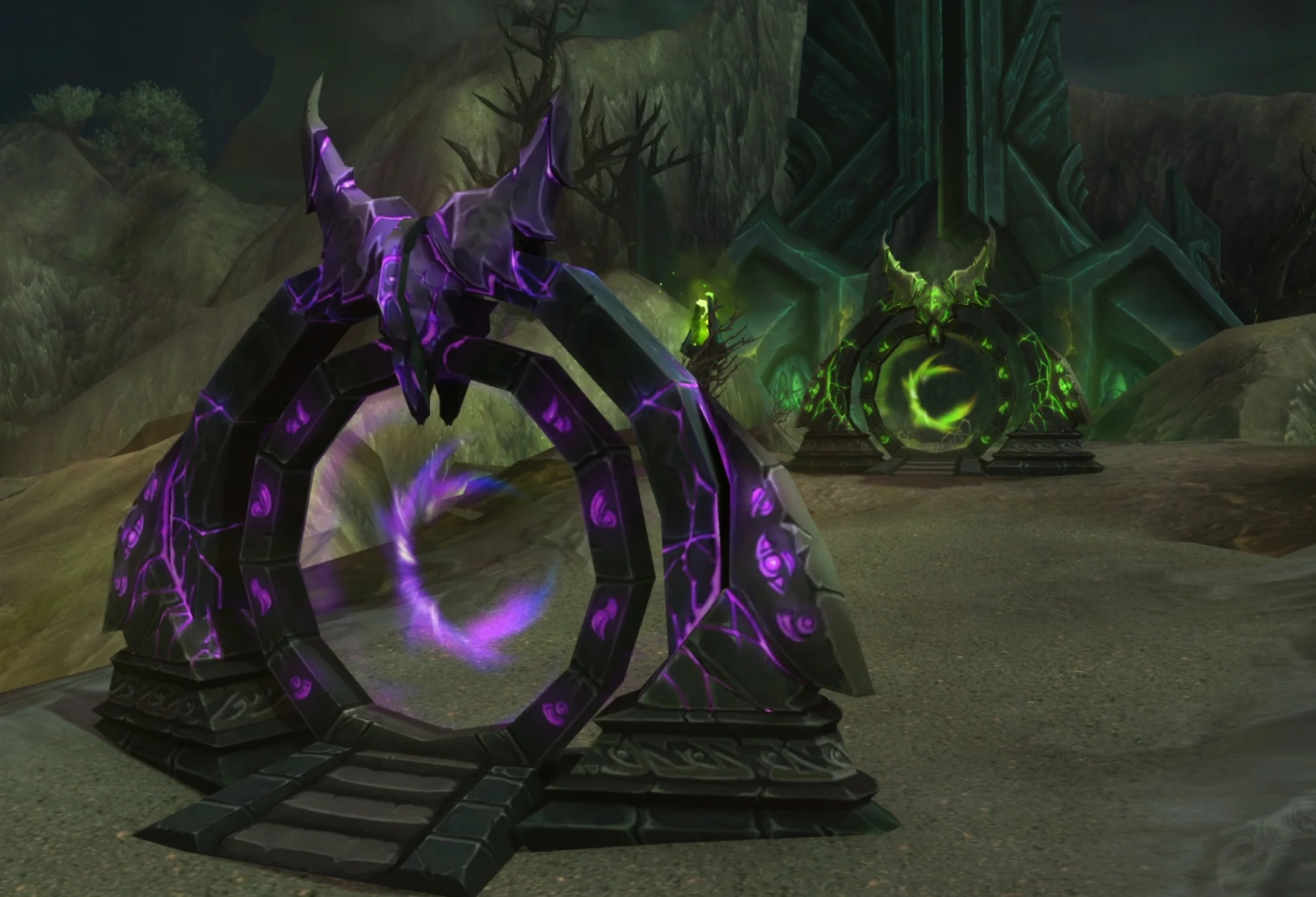
This is another area where weaker players leave value on the table. They focus only on damage numbers and forget that one smart utility play can save a pull, prevent a wipe, or make a dangerous mechanic easier for the whole group.
A Warlock who uses utility well is rarely just another caster. They become part of the group’s safety net. That matters in raids, Mythic+, and progression content where consistency is often more valuable than one lucky burst window.
Why Affliction Feels Bad When Played Casually
Affliction can feel disappointing if you play it casually without learning its structure. That does not mean casual players cannot enjoy it. It means the spec asks for a little more attention than some people expect.
If you ignore DoT uptime, waste shards, stand in bad positions, or misunderstand your damage windows, the spec will feel slow and weak. If you learn the flow, it starts to feel deliberate and powerful.
This is why Affliction has a strange reputation. Players who only test it briefly may walk away unimpressed. Players who invest time often discover a spec with depth, style, and a very unique feeling compared to many faster, flashier classes.
Affliction does not always show its value instantly. You have to meet it halfway.
Should You Play Affliction Warlock?
Affliction is a great choice if you enjoy planning, sustained pressure, and a darker caster fantasy. It suits players who like watching a fight develop rather than relying only on instant burst. It also works well for people who enjoy managing multiple effects and making careful decisions about when to spend resources.
It may not be ideal if you want a very simple, explosive, low-maintenance playstyle. Affliction asks you to track more, think ahead, and accept that not every damage profile looks impressive in the first few seconds.
But for the right player, that is exactly the appeal.
The Spec Is Better Than Its First Impression
Affliction Warlock is not a spec you fully understand after one dungeon or one boss pull. It takes time. It rewards practice. It punishes messy play, but it also gives skilled players a strong sense of control.
That is what makes it special. While other specs chase instant impact, Affliction wins by applying pressure, staying disciplined, and turning time into damage. It is not always the loudest spec in the room, but when played well, it can be one of the most satisfying.
So before you dismiss it as slow, weak, or outdated, give it a real chance. Learn the rhythm. Respect the setup. Use the utility. Once the pieces start to click, Affliction stops feeling awkward and starts feeling exactly like what it is supposed to be: controlled, relentless pressure that slowly takes over the fight.
Leave a Comment