Recent gaming industry headlines are enough to send players looking for cover or running to the hills. For years, we were told this industry was bulletproof, riding an unstoppable wave of growth. But right now, the very foundation seems to be shifting.
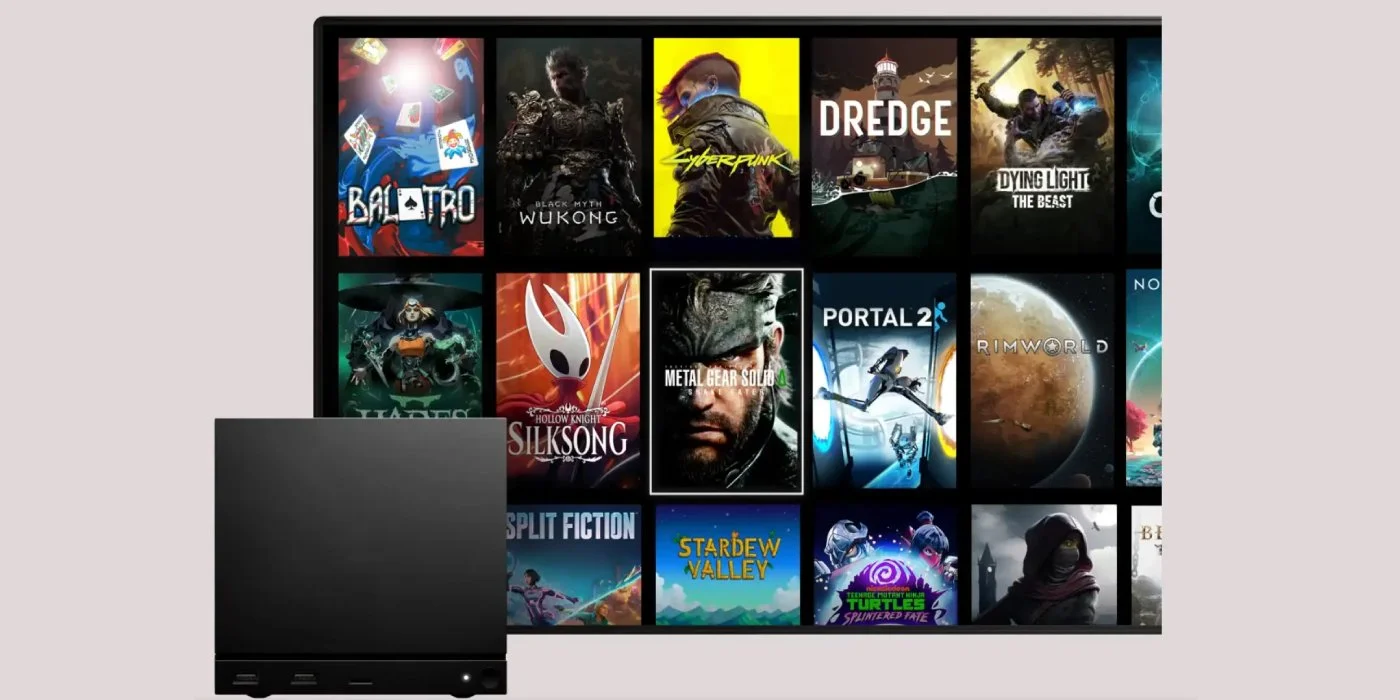
When you look at the devastating Bungie layoffs, Xbox hiking up prices on hardware and Game Pass, and even the Steam Machine being priced way beyond what anyone expected, a pretty grim picture starts to form.
The industry is facing a massive identity crisis, completely redefining how games get funded, built, and sold to us. Here are four major takeaways from the current state of gaming as a whole.
1. Casual Games Are Quietly Holding the Line
While the biggest triple-A studios in the world are sweating over budget collapses, the casual gaming sector is just humming along, largely untouchable.
Big-budget blockbusters require hundreds of millions of dollars and half a decade to build. Meanwhile, simpler, hyper-accessible experiences keep millions glued daily. For instance, a massive chunk of players prefer familiar pastimes like Tripeaks solitaire or Sudoku, these classic games that today come with cutting-edge graphics, engaging themes, multiplayer-like progression, and immense replayability.
Low overhead, high retention, and straightforward fun are keeping this corner of the market incredibly stable while the rest of the industry rides a volatile rollercoaster.
2. The Absolute Myth of "Too Big to Fail"
If anyone still believed that prestige studios were safe from corporate greed or bad forecasting, the recent industry-wide layoffs completely shattered that illusion. We’ve reached a point where the traditional triple-A development model feels totally unsustainable. Studios are trapped in a rat race for hyper-realistic graphics and endless open worlds, which collectively push them into financial ruin.
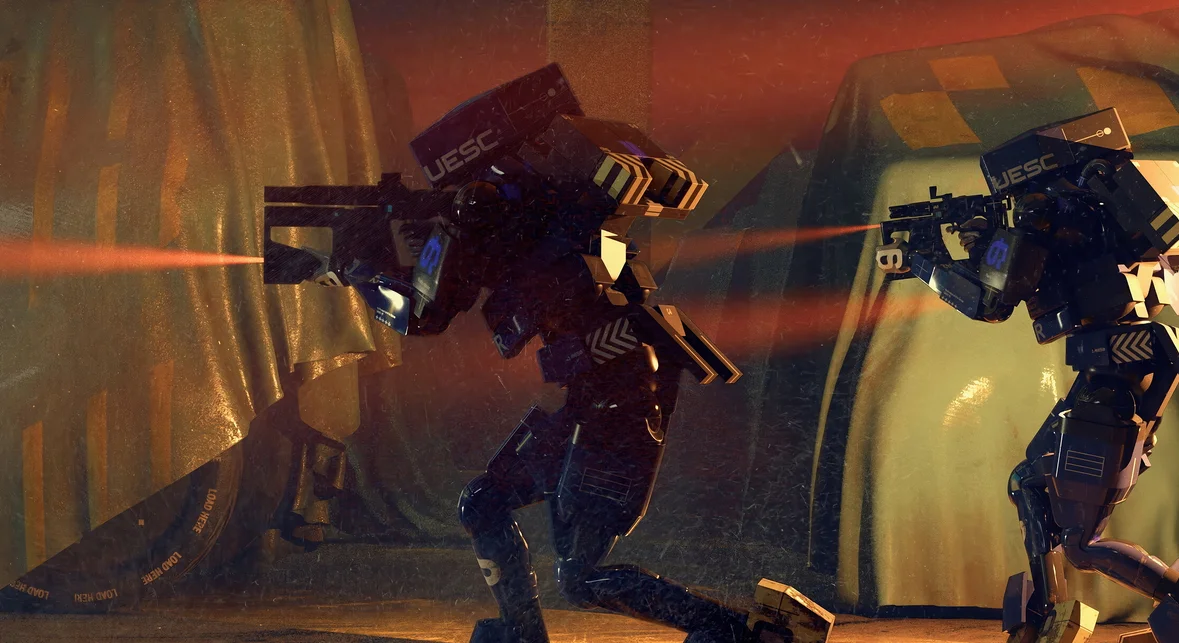
When a studio needs to sell five million copies just to break even, a single delay, a hiccup in concurrent player count, or a lukewarm review score can mean instant financial ruin. You needn’t look further than Marathon Steam Charts to see this in action.
3. The Death of the Cheap Console
We’re also witnessing a massive shift in how we actually buy into gaming. For decades, the console business model was to lose money on the hardware, make it back on games and subscriptions.
But the recent wave of Xbox price increases across hardware and services shows that this classic strategy is hitting a wall. Inflation, supply chain bottlenecks, and the rising costs of manufacturing advanced chips have been the death of the subsidized model, and when the barrier to entry keeps going up, it forces everyday players to seriously question whether upgrading to the latest tech is even worth the wallet hit.
4. A Hard Lesson in Value Propositions
Gamers have a great BS detector, and history shows exactly what happens when companies misjudge what the community is willing to pay for. We saw it again when the Valve-backed Steam Machine arrived priced as an entry-level gaming PC ($1.049 for the 512GB version) rather than competing with consoles.
It tried to bridge the gap between PC flexibility and living room convenience, but it will likely be bombed because the value just doesn't justify the price tag. Today’s hardware market faces the exact same reality check. If publishers keep raising prices on mid-gen upgrades or subscriptions without delivering mind-blowing, undeniable value, players are simply going to vote with their wallets and stay put.
Conclusion
When you connect the dots, it’s clear we’re in a brutal transition phase. The heartbreak of the Bungie layoffs proves that relying solely on massive, bloated live-service games is a dangerous gamble, while climbing hardware costs are testing the limits of player loyalty.
Right now, gaming is splitting into two worlds: hyper-expensive blockbuster risks that could implode at any moment, and highly efficient, resilient titles that focus on steady, reliable engagement. If publishers want to survive the next few years, they’re going to have to stop chasing unsustainable metrics and start figuring out a realistic balance between creative ambition and economic reality.

Leave a Comment