
Counter-Strike 2 has always encouraged players to measure progress, so it is easy to become fascinated with rankings after every winning streak or frustrating loss. The game's competitive appeal continues to attract an enormous audience, with Counter-Strike 2 averaging nearly 900,000 concurrent players over the past 30 days on Steam, making it one of the platform's most-played titles.
You might glance at your profile after each session, hoping for a promotion or wondering why your rating barely changed. That curiosity is completely understandable, as ranking systems provide a visible way to track improvement over time.
CS2 ranks remain one of the game's biggest talking points, but understanding what those numbers actually represent offers far more value than simply chasing the next milestone. Once you understand how the system works, every match becomes another opportunity to evaluate your development with greater confidence.
Reliable data creates a clearer picture
If you want meaningful context, reliable information makes a tremendous difference. Platforms like CSDB collect data covering premier ratings, competitive ranks, estimated rank distributions, weapon statistics, professional player settings, guides, trading tools and other useful resources that help players understand the game from multiple angles.
Looking beyond a single match reveals patterns that are easy to miss during regular play. Studying the CS2 rank distribution also helps explain why progress often feels gradual, as the largest share of players occupies the middle of the ladder.
That perspective gives you realistic expectations, so each improvement feels more satisfying as your skills continue to grow. You can also compare historical trends, helping to separate temporary swings from genuine long-term progress. Ultimately, that broader perspective encourages smarter goals, so every competitive session contributes to a clearer understanding of your development.
Two systems with different goals
Counter-Strike 2 separates its competitive progression into two distinct systems, so understanding the difference can save plenty of confusion. Competitive mode still awards traditional skill groups for every individual map, meaning your Mirage rank can differ from your Inferno rank.
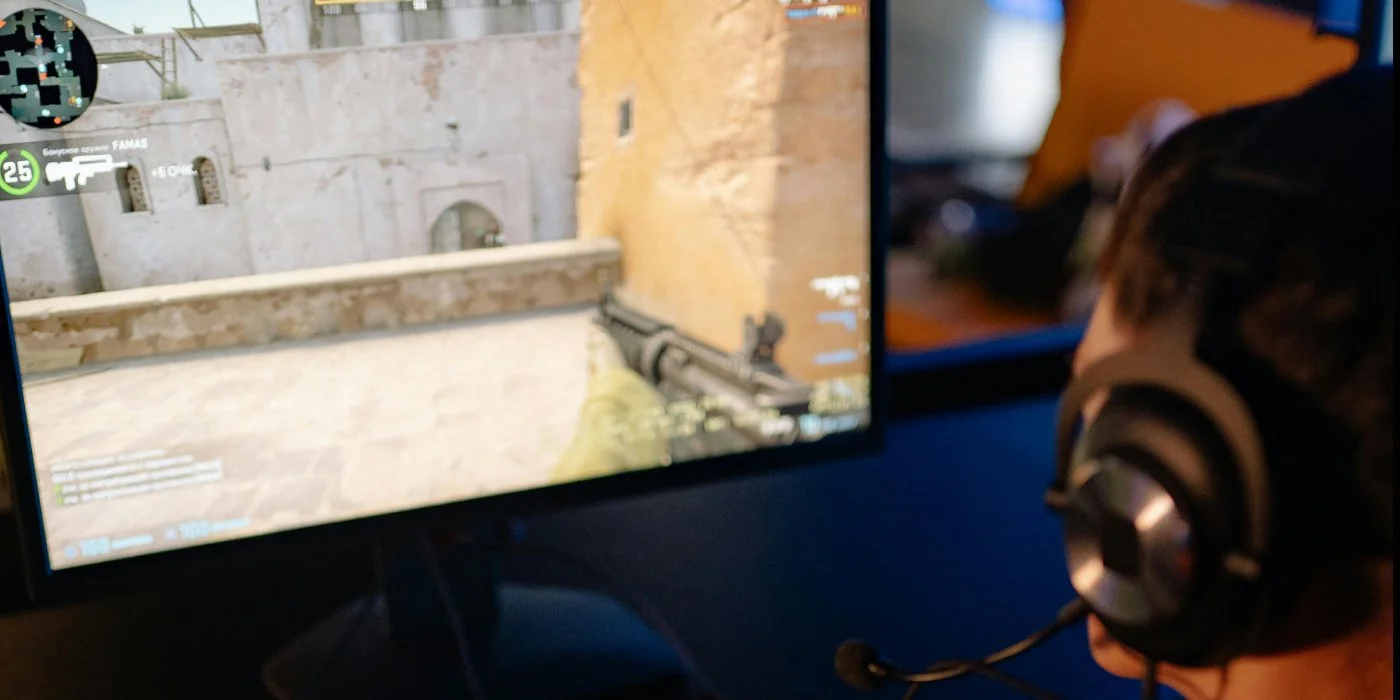
Premier follows a different approach through a numerical premier rating that places every qualified player on regional leaderboards. You complete placement matches before receiving an initial rating, after which victories, defeats and the strength of your opposition influence future movement.
Once you recognize those differences, your progress becomes much easier to interpret across every competitive session you decide to play. You also gain a better sense of which mode best matches your personal goals at any given stage of improvement. That understanding helps you spend your time more effectively, so every match has a clearer purpose.
Where most players actually land
Many conversations focus on elite competitors, so it becomes easy to assume everyone climbs rapidly into the highest ratings. Current community tracking paints a very different picture. Most active Premier players fall between roughly 5,000 and 15,000 rating, creating a broad middle where the majority of matches take place.
Ratings above 25,000 belong to a comparatively small group, with 30,000 or higher representing roughly the top 1% of players according to recent community estimates. Looking at the CS2 rank distribution helps you judge your own progress against the wider player base, so your accomplishments gain far more meaningful context over time.
Reaching each new milestone becomes more rewarding when you understand how many players share a similar position. That perspective also makes steady improvement easier to appreciate, so unrealistic expectations become much less common.
Small improvements produce lasting progress
Every player enjoys memorable highlights, but lasting improvement usually comes from consistent habits that build over hundreds of rounds. Better crosshair placement, smarter utility usage, stronger communication, disciplined positioning and thoughtful economic decisions gradually produce stronger results across entire seasons.
Chasing a higher premier rating becomes much less stressful when you focus on learning from each match instead of worrying about every point gained or lost. Reviewing your demos, studying common mistakes, practicing difficult angles and communicating clearly with teammates all contribute to steady development.
Over time, those habits become second nature, so your confidence continues growing alongside your results. Small adjustments often produce surprising gains when they become part of your regular routine. Every productive practice session builds another layer of consistency, so improvement feels earned across the long run.
Progress deserves the spotlight
Comparing yourself with professionals or popular streamers can be motivating, but your own journey tells the story that matters most. Moving from 4,000 to 10,000 points represents meaningful improvement, even if someone else sits much higher on the leaderboard. Every increase reflects stronger decision-making, cleaner mechanics, better teamwork and greater consistency across challenging matches.
As your understanding deepens, CS2 ranks become useful milestones instead of constant sources of pressure. You start recognizing improvements that extend beyond a single number, making every competitive session feel worthwhile. That perspective keeps your motivation high, helps you appreciate steady growth and reminds you that every skilled player once stood exactly where you are today.
Progress becomes much easier to enjoy when you celebrate personal milestones alongside competitive achievements. Ultimately, every season offers another opportunity to refine your skills, so your next breakthrough always feels within reach.

Leave a Comment