
The modern video game industry has undergone a seismic transition from one-off physical releases to dynamic, long-term live-service ecosystems. Games like Fortnite, Apex Legends, Destiny 2, and Genshin Impact are no longer mere static entertainment products; they function as digital third places and evolving platforms. However, maintaining player retention in a live-service model is notoriously difficult. While massive seasonal expansions generate viral marketing hype, the true operational challenge lies in the long lulls between major updates. Modern web entertainment platforms face a similar challenge when optimizing localized user journeys; for example, analyzing how Polish audiences search for lightweight online entertainment using queries like polskiekasyna demonstrates how immediate accessibility and continuous feature delivery keep users returning to digital platforms.
In this article, we examine the structural strategies, behavioral psychology, and engagement mechanics that studio teams deploy to sustain player activity during content droughts in development.
Industry Metrics: Player Retention & Retention Curves
To understand the necessity of mid-season engagement, consider the stark drop-off rates typical of modern games without continuous content pipelines:
60% to 75%: Average drop-off in Daily Active Users (DAU) within 30 days of a major seasonal launch if no mid-season content or events are introduced.
14 Days: The average duration of a major expansion's honeymoon phase before hardcore players exhaust primary narrative or progression content.
3.5x: The higher lifetime value (LTV) of players who participate in weekly recurring micro-events compared to players who only log in for annual expansions.
48 Hours: The critical window after completing a battle pass, where players are at the highest risk of churn if no alternate progression goals exist.
1. Modular Progression Systems: Battle Passes and Tiered Prestige
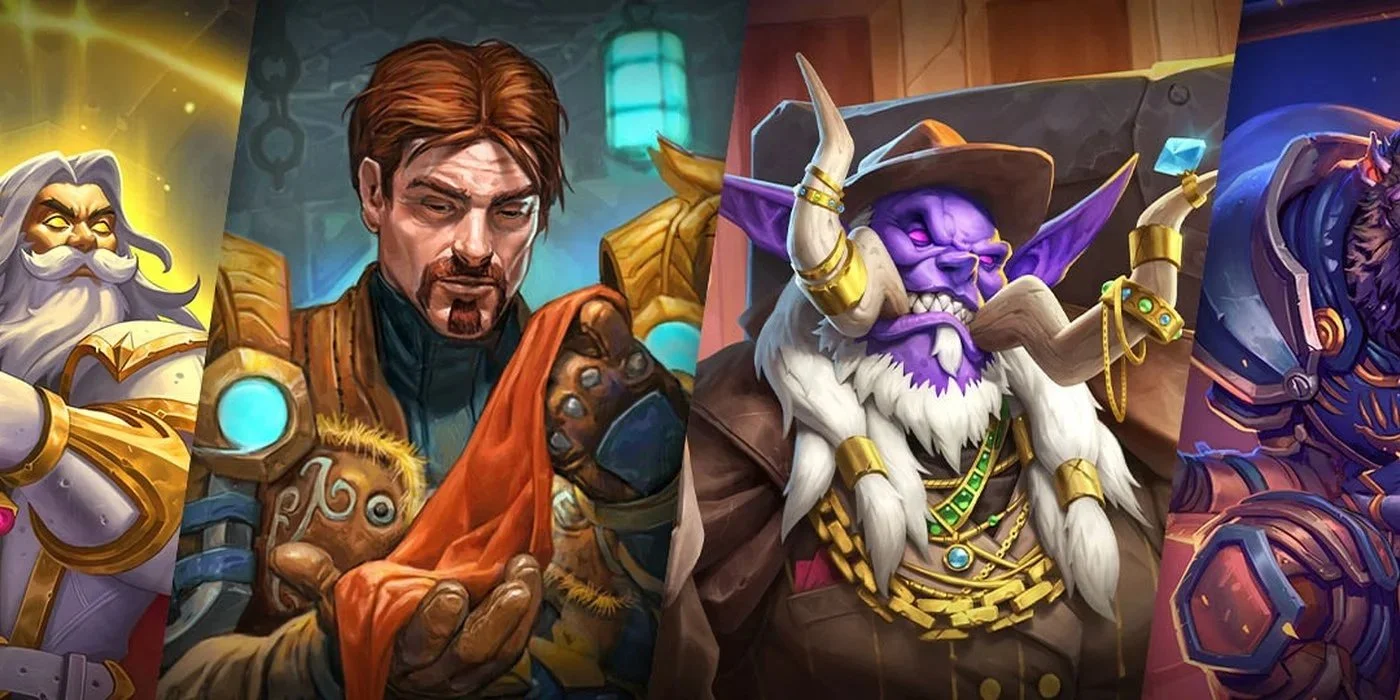
When primary story campaigns or raids are completed, players require structured, short-term goals to maintain their daily routine. The most ubiquitous mechanism for solving this issue is the tiered progression system—most notably, the battle pass.
Effective battle pass architectures prevent mid-season burnout through layered incentives:
Non-Linear Progression Trees: Modern live-service titles have shifted away from linear 1-to-100 tracks toward branching unlock nodes. This gives players agency over their rewards, allowing them to prioritize desired character skins or weapon blueprints early in the season.
Super-Max Prestige Tiers: To engage hardcore players who complete the primary 100 levels within two weeks, studios implement cosmetic prestige tracks (such as glowing character variants, unique titles, or animated emblems) that require sustained effort without providing pay-to-win advantages.
Catch-Up Mechanics: To ensure casual players do not abandon the game midway through a content cycle, studios introduce double-XP weekends and stacked challenge bonuses toward the final third of a season.
2. Dynamic Live Events and Rotating Game Modes (LTMs)
Creating entirely new maps or narrative campaigns requires months of engineering effort. Conversely, modifying existing game parameters into Limited-Time Modes (LTMs) requires minimal asset creation while yielding significant spikes in player engagement.
LTMs inject novelty into familiar core gameplay loops by altering environmental physics, weapon pools, or victory conditions. Examples include low-gravity sniper modes, infected-style survival playlists, or seasonal holiday events.
Expert Commentary:
"The key to mid-season retention isn't building a new game every six weeks; it is recontextualizing the systems you already have. An LTM that flips a core mechanic on its head forces veteran players to re-learn spatial awareness and strategy, instantly reviving competitive interest."
— Marcus Vance, Senior Systems Designer & Live-Ops Analyst
3. Asynchronous Community Challenges and World-State Evolution
Individual progression drives daily logins, but collective progression builds long-term community identity. Asynchronous world events require the entire global player base to pool their efforts toward a shared milestone.
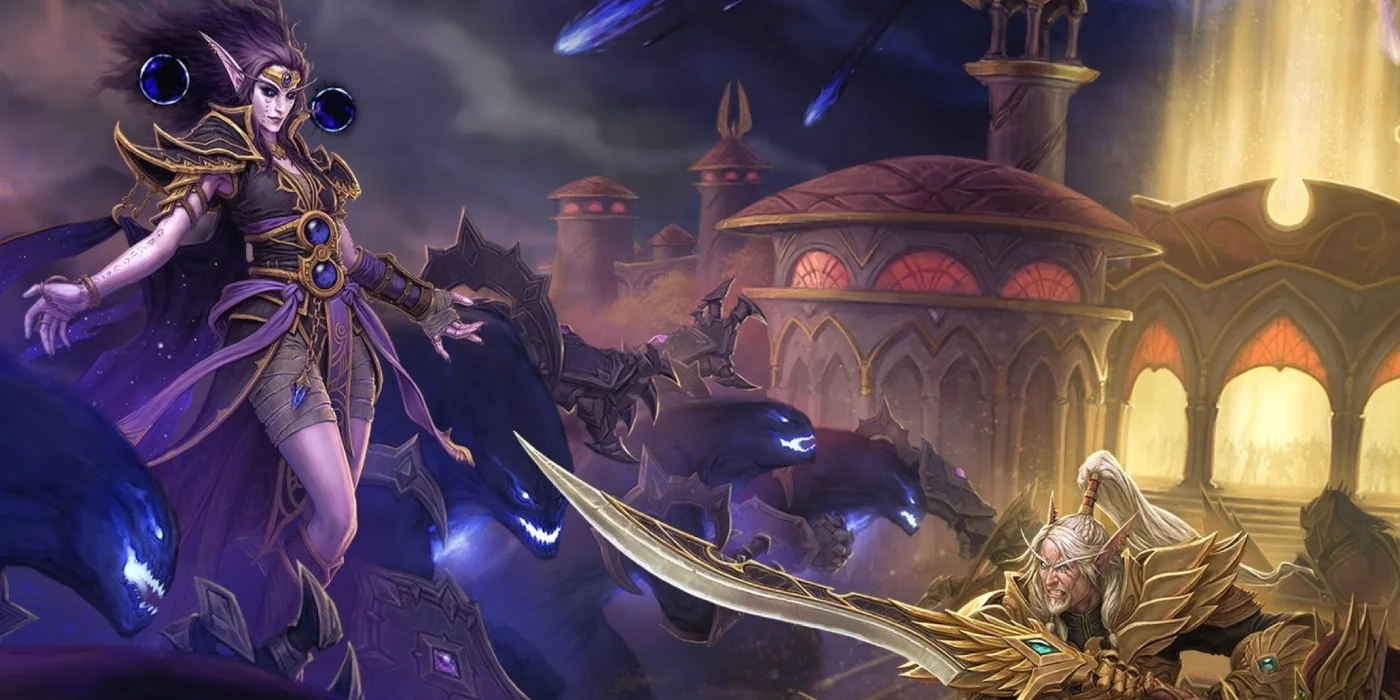
These shared objectives foster a sense of collective agency:
Global Resource Pledging: Players donate in-game currency or materials gathered during standard play to rebuild a destroyed town, construct a space station, or unlock a new map area for the upcoming season.
Community Faction Wars: Players align with distinct in-game factions, earning points for their chosen team through standard match victories. At the end of the event, the winning faction receives exclusive cosmetic rewards, and the outcome alters the game's official lore.
Emergent Environmental Shifts: Subtle map modifications—such as gradual snowmelt, spreading corruption, or construction progress on a central landmark—tell a visual story over several weeks, encouraging players to log in simply to inspect world changes.
4. The Role of Regional Aggregators and Localized Ecosystems
Player retention strategies do not exist in a vacuum; they interact closely with regional player behavior, localized platforms, and comparative hubs. Just as live-service studios must tailor event schedules to align with global time zones, web media platforms tailor content discovery to specific regional markets.
For instance, in Northern Europe's highly digitized landscape, players frequently consult specialized comparison hubs to evaluate dynamic online platforms, promotional structures, and platform performance. In the Finnish market, users researching compliant platforms and localized reviews often rely on targeted search terms such as mga kasinot to find trusted portals. These regional aggregators parallel live-service community hubs by streamlining discovery, providing transparent performance data, and reducing friction for users seeking active online entertainment.
5. Emergent Gameplay: Player-Driven Content & Sandbox Tools
The most cost-effective solution to content droughts is to empower the player base to create their own entertainment. By providing robust sandbox editors, custom match creation parameters, and creative modes, studios turn their communities into content creators.
Forge Modes & Map Editors: Games like Halo and Fortnite (via Unreal Editor for Fortnite) allow players to construct custom game modes, obstacle courses, and narrative experiences. The studio then highlights the best community creations in official matchmaking playlists.
Player-Driven Economies & Trading: In titles with open trade mechanics, market speculation, crafting, and item flipping become secondary games in themselves, keeping economy-focused players active during combat lulls.
User-Generated Tournaments: Providing native custom lobby systems enables esports organizations, streamers, and casual guilds to host independent competitions, generating organic viewership on streaming platforms such as Twitch and YouTube.
6. Transparent Communication & Public Roadmaps
Technical issues, balance adjustments, and delay announcements are inevitable in live-ops development. How a studio communicates during quiet periods directly impacts community sentiment and trust.
Unexplained radio silence from developers breeds cynicism and player departure. Conversely, studios that maintain structured communication channels sustain community engagement even when new content is weeks away:
Weekly Developer Bulletins: Detailed blog posts that outline bug fixes, the balance philosophy, and upcoming quality-of-life adjustments give competitive players a reason to discuss meta shifts.
Public Test Realms (PTR): Allowing dedicated players to opt into experimental balance patches or early builds of upcoming features turns testing into an active community event.
Interactive Developer Livestreams: Casual Q&A sessions where game directors address community feedback, foster transparency, and humanize the development team.
7. Psychological Retention Traps to Avoid
While mid-season engagement mechanics are essential for live-service viability, aggressive or predatory implementation can cause severe player burnout and long-term brand damage.
Studios must carefully balance engagement strategies against player fatigue:
Engagement Strategy | Healthy Implementation | Predatory / Burnout Risk |
|---|---|---|
Daily Login Rewards | Cumulative counters with grace days; cosmetic rewards. | Strict streak resets that punish missed days; power-gated rewards. |
Fear of Missing Out (FOMO) | Evergreen cosmetics available through rotated legacy shops. | Time-limited exclusive gear that never returns to the game. |
Mid-Season Grinds | Accelerated XP events and catch-up challenges. | Exponential XP requirements designed to force micro-transaction skips. |
Key Takeaways for Live-Ops Strategy
Recontextualize Existing Assets: Use rotating game modes, altered physics, and constraint-based challenges to refresh core gameplay without building new 3D assets.
Foster Community Ownership: Build global progress bars, faction competitions, and creative sandbox tools that let players generate their own mid-season stories.
Maintain Open Channels: Regular, transparent developer communication prevents community decay during mandatory development lulls.
Conclusion
The success of a live-service game is rarely defined by the size of its initial launch or the visual flair of its annual expansions. Instead, longevity is forged in the quiet weeks between updates. By blending modular progression, creative re-use of core mechanics, asynchronous community goals, and transparent communication, studios turn potential content droughts into vibrant periods of community interaction. As the digital landscape continues to evolve, the studios that master the art of mid-season engagement will remain at the top of the global gaming landscape.
Leave a Comment