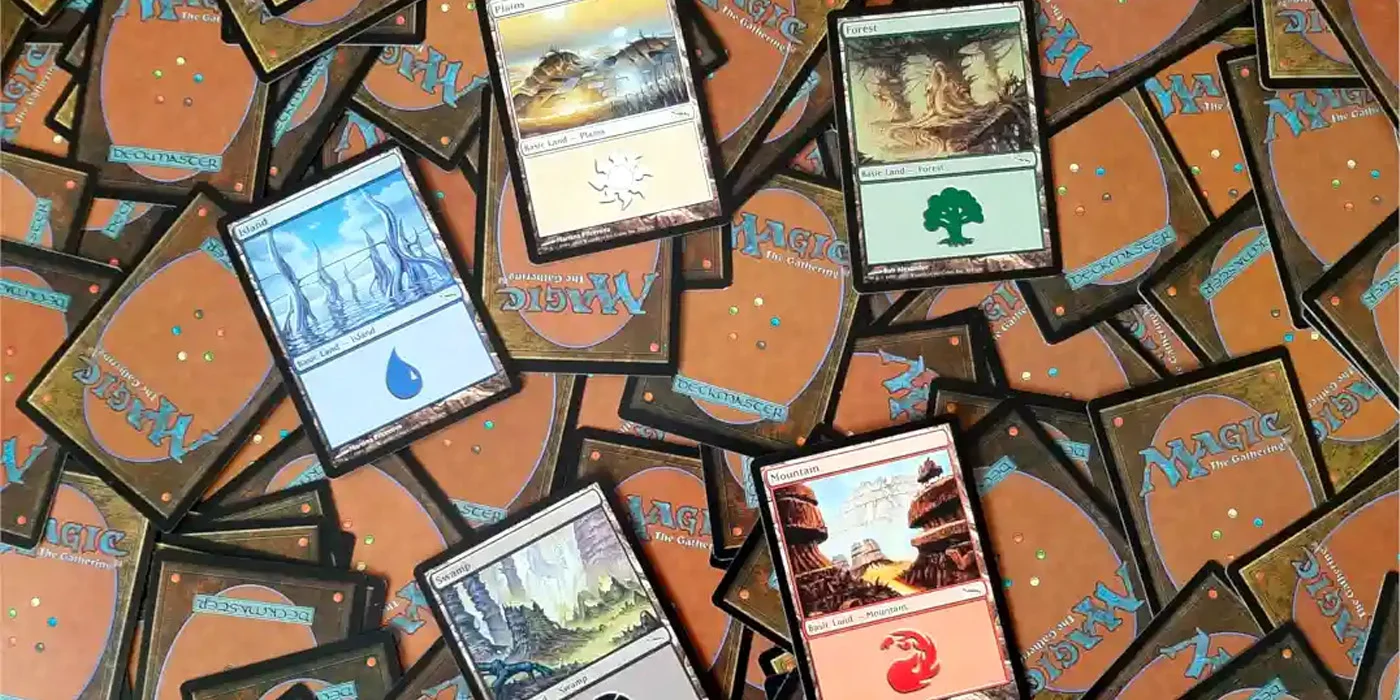
Hasbro kicked off 2026 by putting Magic: The Gathering, Dungeons and Dragons, Monopoly and Transformers into casino slot format through licensing agreements with Aristocrat, Evolution, Galaxy Gaming and Bally's. If your reaction to that sentence is some mixture of confusion and mild irritation, you are probably the target audience for this piece. Not because you should go play Magic slots, but because the mechanics of how that licensing deal works, and more importantly what happens when it ends, are worth understanding if you care about IP in games at all. This community has watched beloved titles vanish from storefronts when licensing contracts expired. Casino slots run on the same contract architecture, and the pattern plays out in identical ways.
How a Licensed Slot Gets Made and Why the Economics Are Different
The developer negotiates usage rights, brand guidelines, character and soundtrack permissions, and a royalty structure with the IP holder. The IP holder reviews and approves the finished product. That approval process costs considerably more than producing an original-themed game, and those costs feed into the economics: licensed slots tend to carry slightly lower return-to-player percentages than comparable originals because the overhead has to land somewhere. When Hasbro titles start appearing across slot sites worth a look in 2026, the Magic: The Gathering versions will only be available on platforms that have integrated whichever provider holds that specific deal. Aristocrat-licensed titles do not appear on platforms running a different library, regardless of how prominently a site markets its branded content.
Microgaming's Game of Thrones slot from years back shows one way developers navigate this. Rather than negotiate rights to the show's characters, they built it around the visual language of the world: banners, sigils, the Iron Throne aesthetic, no character likenesses, no voice work from the cast. Technically lean, cheaper to license, and active on platforms for longer than a title leaning on actor rights would have been. There is genuine craft in figuring out how to represent a franchise without triggering the most expensive parts of the contract.
Every Licensing Deal Has a Term, and When It Ends the Game Goes
Playtech spent eight years building a Marvel superhero slot series. Iron Man, Thor, the Avengers, Fantastic Four, the Incredible Hulk: a full run of titles, all of which disappeared overnight in 2017 when Disney declined to renew. Every platform that had been running them pulled them in a single update cycle. Players who had those games in regular rotation had no warning.
From the Activision Marvel catalogue to Guitar Hero to Scott Pilgrim. Casino slots are not exempt from licensing. A title can be live on hundreds of platforms simultaneously and delisted from all of them at once when a deal lapses. The Hasbro agreements signed in 2025 are multi-year arrangements. Multi-year is not permanent, and what happens to Magic slots when those deals come up for renegotiation will depend entirely on commercial terms that neither the developer nor the player has any input into.
Finding a Specific Licensed Title Means Knowing Which Platforms Have the Right Provider
DC Comics superhero slots from Playtech, covering Superman, Batman, Wonder Woman and Aquaman, exist only on platforms that have integrated Playtech's library. A platform running a different provider will not carry them however prominently it markets branded content. Celebrity-licensed titles work the same way. The Gordon Ramsay: Hell's Kitchen slot is tied to a specific provider integration that not every platform bothers to maintain. The catalogue of currently active branded titles updates as deals change, which is more reliable than trusting a platform's marketing page to reflect what it actually has live.
The licensing structure also explains why some branded titles carry lower jackpot ceilings than originals in an equivalent return-to-player bracket. The economics of an IP deal leave less headroom for a top prize. A slot wrapped around a franchise you know will likely be more engaging to play. Whether a given platform carries it is the practical question, and it depends on provider integration rather than anything the platform advertises. For anyone coming to this from the games side, these mechanics are already familiar. They are just dressed differently here.

Leave a Comment