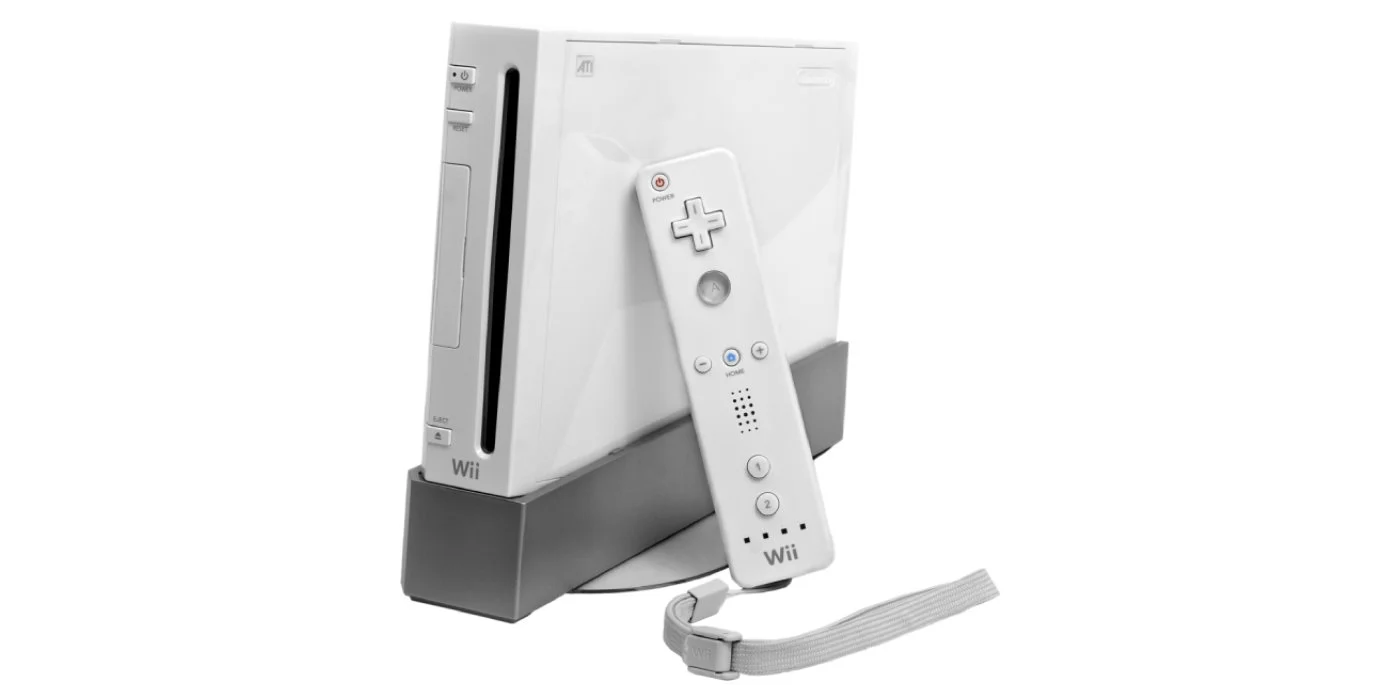
The PlayStation 3 celebrated its 20th anniversary just two days ago, and now it's time to celebrate the 20th anniversary of the most accomplished competitor of the same console generation, the Wii.

Original model Wii and Wii Remote (Image credit: Wikipedia)
The Wii is the seventh-best selling console of all time, and was the highest-selling Nintendo console until 2021 when it was surpassed by the original Switch. Before the Wii, Nintendo was actually started to lose a lot of ground in the console wars. The Nintendo 64 sold worse than the PlayStation 1 by a considerable margin, and the GameCube was outsold by the original Xbox and immensely outsold by the PlayStation 2. While the N64 and GameCube are both fantastic consoles with a huge cult following, it was clear that Nintendo needed something right away if they wanted to still be in the console market.
The Wii brought them right back into the game.
A Risky, Desperate Move

Super Mario Galaxy 2 (Image credit: IGDB)
Having sold over 100 million units, it is the best-selling console of seventh console generation, and it's a machine that absolutely everyone recognized.
While the Wii wasn't the first gaming-based machine to use motion controls in some capacity, it was the first one to truly take the concept and run with it as much as they could. Gone were the days of the awkward Power Glove which had no support. Nintendo had designed the entire machine around motion controls, marking a huge deviation from the traditional console formula of its predecessors which used the same controller-to-game functionality as everything before it, and even to this day, everything after it.
We don't judge the PlayStation or the Xbox, or the failed attempts at other consoles trying to jump into the market for sticking to the tried and classic controller formula. It works, and deviating too heavily from it runs the risk of alienating one's self from the core gaming audience. A very significant risk that the Wii had on its head the whole time.
A Successful Payoff
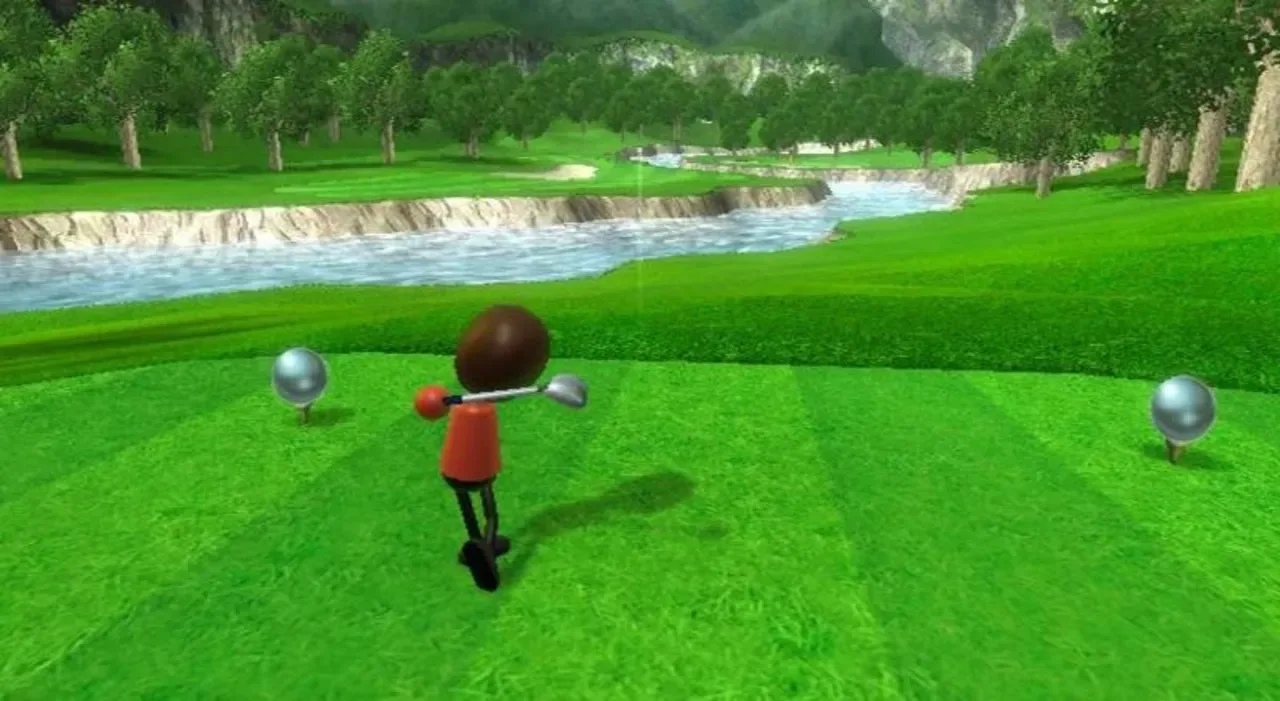
Wii Sports (Golf) (Image credit: IGDB)
Its motion control scheme ended up being a massive hit, and given the reputation of previous attempts at using motion controls, it's understandable why one would be skeptical of its viability, but it worked very well.
We're gamers. Gaming is inherently a very sedentary hobby. Unless you happen to have the world's strongest metabolism ever, the goal of everyone who plays video games is putting in the effort to play everything you want to play while also not ballooning up to the size of the Stay Puft Marshmallow Man. Now the Wii let you accomplish both goals at the same time. You move, and your movement with the Wii Remote affected your movement. It also helps that Wii Sports was bundled with the game, so everyone had a chance to get in a little bit of exercise as they play and have a bit of fun with it too.
Again, the Wii was not the first piece of gaming technology to encourage movement as you play, but it took the concept and hit the ground running and stopped for nothing.
To this day, Wii consoles are still used in nursing homes because their control scheme is simple to use for elderly people who may have never picked up a controller before (though in 60 years from now, that will be very different) and helped them get up and move a bit, and also in hospitals for people who have suffered health conditions limiting their movement and help them get back up and move again.
The motion controls of the Wii ended up being successful enough to the point where it inspired Microsoft to come out with the Kinect, and Sony to come out with the PlayStation Move. How much the Wii revolutionized the standard of motion controls came to a benefit...
The problem with Being "too" Different
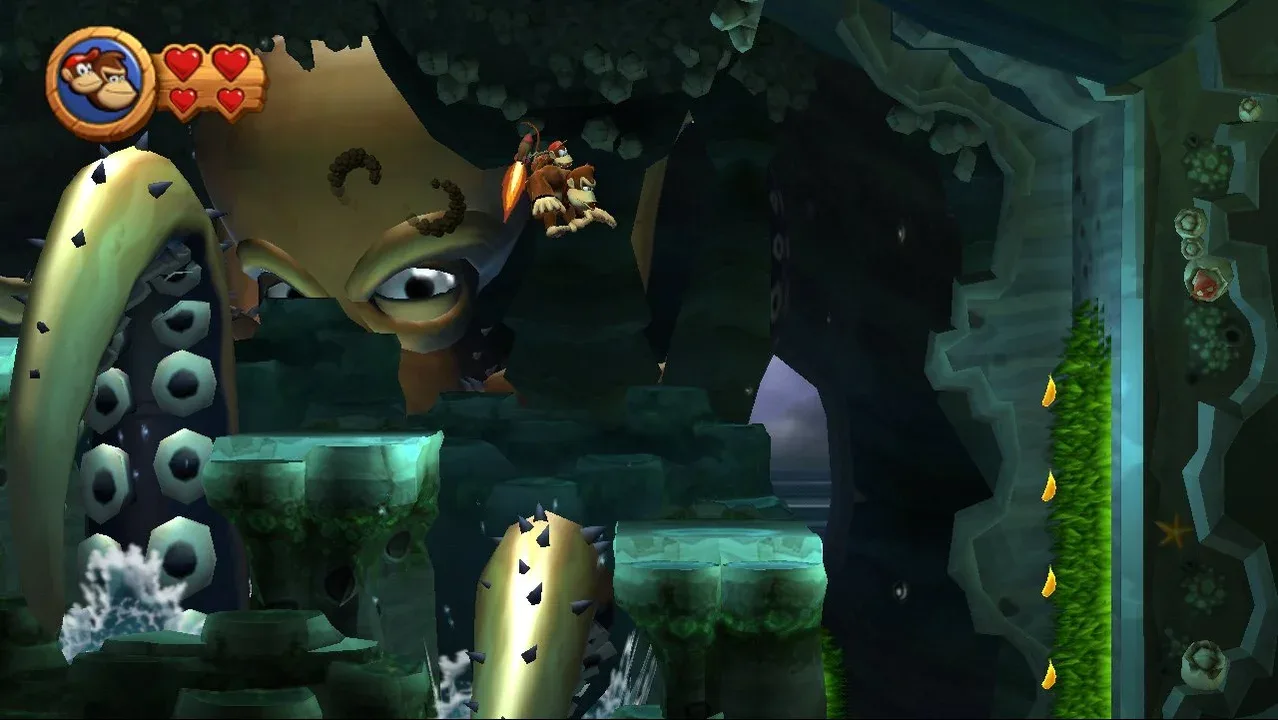
Donkey Kong Country Returns (Image credit: IGDB)
... and to a fault. It's not exactly a secret that motion controls in generally have a rightfully mixed reputation within the gaming industry. Motion controls are inherently less precise than standard button inputs. Swinging your arms in the air like a goblin to play a game will inevitably tire you out, especially if you play with standing up, because you have no place to comfortably rest your arms.
Motion controls are also not very conducive to a lot of game types like platformers (a bit of a flaw when your mascot is an Italian plumber that likes to jump around a lot), and the Wii Remote layout was not very efficient for trying to use it like a standard controller. Nintendo released Wii controllers that worked more like conventional controllers to alleviate this issue, although both issues also meant that developers often put very simple inputs on motion controls either out of necessity or they just really wanted to use the motion control gimmick without thinking through how it would feel for the player. Everyone who's used a Wii Remote has felt the frustration of needing to shake it to jump.
And of course, you're also at the mercy of the machine tracking your remote's movements to actually properly track them.
It's Best Quality - Also Its Worst
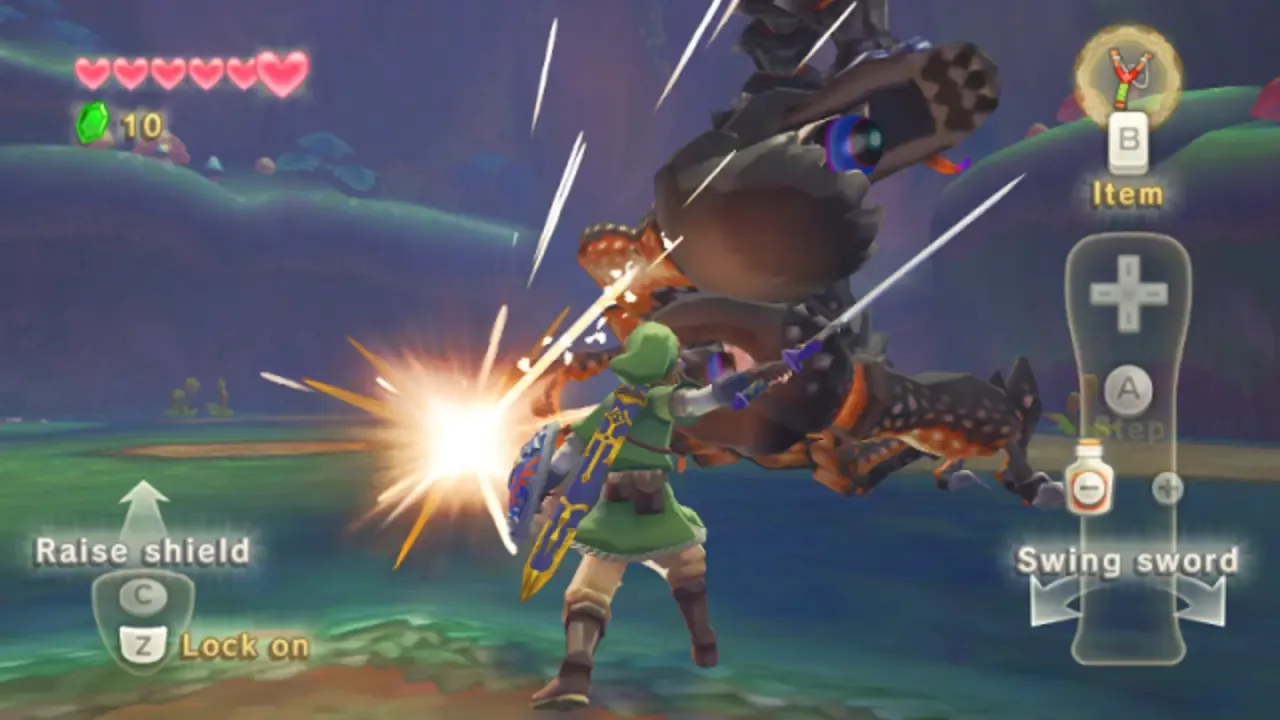
The Legend of Zelda: Skyward Sword (Image Credit: IGDB)
One of the most notable elements of the Wii was the fact that the system itself and its games were less expensive to produce. The obvious upside of this as that we get more games because they're easier to make. The downside of this as that... we get more games because they're easier to make. The Wii is rather infamous for amount of "shovelware" games that were released for it, which was possible because of how inexpensive it was to produce for it, and with the console as a whole made to catch a huge new market of gamers, it was a perfect storm for bargain bin garbage to make its way to the system. Obviously, the Wii didn't invent shovelware, but it's arguably what progenitized one of the biggest problems in the digital gaming market today.
This is not so say that Wii's game library is by any means bad. You've got what some would consider some of the best Mario games of all time: Galaxy, Galaxy 2, Kart Wii, and New Super Bros. Wii, bringing the classic 2D Mario gameplay back to consoles. Beyond that, you've got Super Smash Brothers Brawl (one of the best Smash Brothers games), TLOZ: Twilight Princess and Skyward Sword, Donkey Kong Country Returns, and the Metroid Prime Trilogy. Nintendo was bring out all of the punches for its first-party releases, which are among some of the most loved of their respective franchises.
The other big problem with the Wii however was that it was very alienating to hardcore gamers, and it was less powerful than either the PlayStation 3 or Xbox 360, meaning that a lot of games designed for either of those consoles couldn't be run on the other two machines (at least not without major modifications that would bring the viability of the version into question), meaning that players would need to buy another console anyway to experience a lot of the smash hits of the generation.
Even though its revolutionary design of motion controls are attachment to the casual market made it a huge success, its alienation from the core gaming market, the divisive motion controls, underpowered specs, and reliance on first-party support, ultimately caused the device to destroy itself.
Overall, the Wii is a fantastic machine that revolutionized a lot of the gaming industry, but that revolutionization (a word that I've never said or used before, or heard anyone else say or use before until typing it just now) came at a big cost.
It's funny how history repeats itself. The Wii U was a huge failure for the Wii and a threat to its viability in the console market, and then the Nintendo Switch course corrected and once again, launched Nintendo from the jaws of defeat to the top of the console charts. As of right now, the Switch is the second-best selling console of all time, and is hot on the tale of the PlayStation 2.
What do you think about the Wii? Do you have fond memories of playing it? Let us know in the comments below.


Leave a Comment