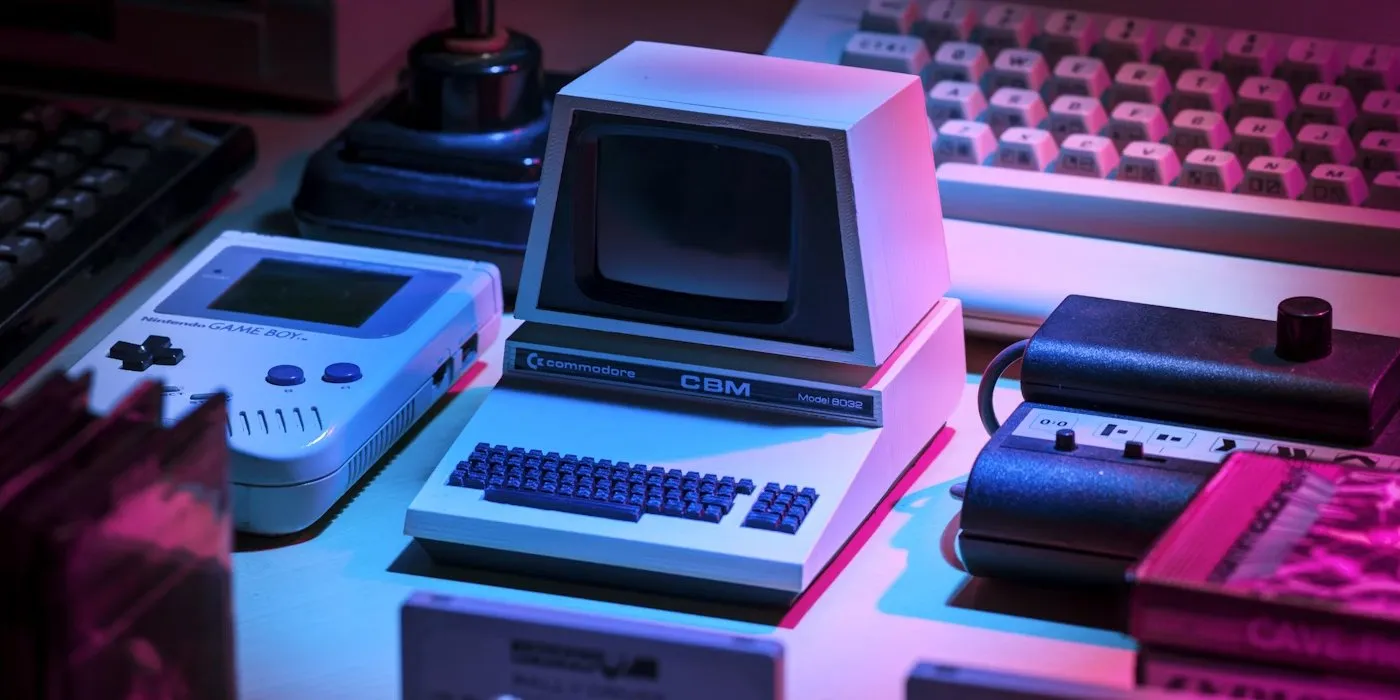
Today’s video games contain quality graphics and realistic animations, yet a lot of players prefer the appearance and feel of retro designs. This aesthetic continues to appear in contemporary games, either in the form of pixel art, simplified graphics, or remakes of older games. Retro-inspired designs still have a market, and it shows that, despite the newest technology, players still want something familiar.
Nostalgia Plays a Part
One of the most powerful arguments in favor of retro designs in gaming is nostalgia. Developers understand that the art styles of the past can evoke emotions related to childhood memories or previous gaming experiences. This is not limited to video games, however, with much entertainment relying on nostalgia to appeal to viewers. Films revive old franchises, and online slots tend to employ classic imagery to attract players. This is perfectly illustrated by demo version releases, for example. Titles like Triple Diamond slot have a retro Vegas theme that features symbols such as BARs and lucky 7s, but come with high RTP rates. These designs show that the past continues to influence entertainment even in the era when modern graphics are easily accessible.
Games can also be made more personal by the emotional connection that nostalgia offers. A gamer may recall how they used to stay up late in the heyday, playing on a handheld console, and that memory may flood back when a contemporary game uses a similar aesthetic. Developers have observed that these responses form a stronger connection between the players and the game, and the design decision is more effective than its superficiality.
Simple Visuals Still Work
Some of the reasons why players continue to adore retro designs can be attributed to simplicity. Earlier graphics were designed with technical constraints in mind, and developers were forced to be innovative in the way they displayed their worlds. This resulted in designs that were simple to read, simple, and immediately identifiable.
These attributes are still effective in the present day, particularly in contrast to the current games that may at times overload the players with excessive information. A retro-style role-playing game or a pixelated platformer may be more visually accessible, and the mechanics may feel more fluid and approachable.
In most instances, simple visuals also age better. A very realistic game of the early 2000s may seem awkward nowadays, whereas the pixel art of the 80s still seems timeless. This has provided retro designs with a certain form of longevity that other, more detailed styles do not have. To the players and developers, simplicity is not only easy on the eyes but also makes the games withstand the test of time.
Modern Games Blend Old And New
The developers of today do not simply replicate the old designs; they combine them with the new technology to come up with something new. Even games that appear to have been pulled out of the '80s or '90s can be smooth, have responsive controls, and have additional features that enhance the experience.
This combination allows the players to experience the beauty of the retro graphics without sacrificing the quality that modern hardware is capable of. This balance is especially popular among many indie studios, which mix pixel art with rich storytelling and new mechanics that could not have been implemented decades ago.
The most successful ones tend to build on retro designs but add enhancements to them. A simple visual style can be changed into something familiar and new with dynamic lighting, bigger color palettes, or even orchestrated music. This strategy reveals that retro-inspired design is not only about looking back but also about discovering the means of connecting the epochs of gaming.
The Culture Around Retro
Retro games have also entered the culture of gaming, and this contributes to the survival of the style. Gamers who have been brought up on older consoles tend to wish to share their experiences with the new generations. This has led to the demand for remakes of classics and new games that give the same feeling. Conventions, online communities, and even YouTube channels devoted to retro playthroughs are still expanding, showing that the culture of older designs is not dead yet. When individuals discuss their most memorable gaming experiences, images tend to be involved in the discussion, and that collective nostalgia contributes to the demand for retro-inspired releases.
This culture is also contributed to by the resale market of older consoles and games. Original cartridges or systems are often sought by collectors and enthusiasts, and this has spawned an economy of retro gaming. The more individuals discover that aspect of the hobby, the more it strengthens the need to have modern titles with the same design DNA.
Affordable Development
As a developer, it can also be cheaper to develop games with retro-style designs. Contemporary 3D graphics demand huge crews, sophisticated programs, and lots of time. Retro-inspired art, such as pixel graphics or simplified textures, can be created using fewer resources and still appeal to players.
This has paved the way for smaller studios to publish successful titles without the support of a large publisher. Retro visuals were a key to some of the most popular indie games of the past decade, as a means of differentiating themselves and keeping production costs down, showing that design decisions are not only about aesthetics but also functionality.
Conclusion
The retro designs are still popular in the current games, as they not only provide a retro look. The nostalgia, simplicity, affordability, and culture contribute to the relevance of this style. Be it in combination with modern mechanics or their most pure form, retro visuals still find their audience among players who desire comfort and creativity in their game.
Comments
No comments yet
Be the first to share your thoughts!