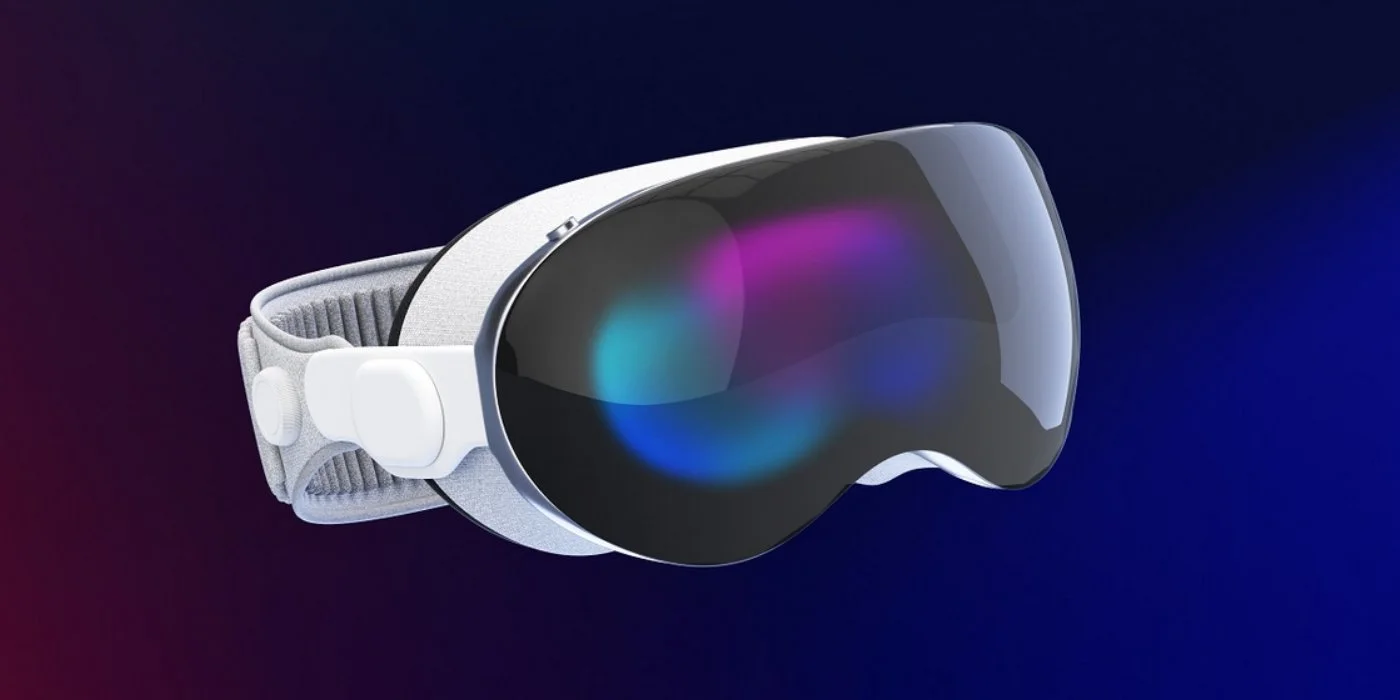
The XR headset race in 2026 is no longer about novelty. It’s about performance. Apple’s Vision Pro established the benchmark with its ultra-sharp micro-OLED displays and tightly integrated VisionOS ecosystem. But now it’s facing serious competition. Samsung’s Galaxy XR, powered by Google’s new XR OS, and devices like the Lynx-R2 are pushing toward a more open, flexible spatial computing future.
The real question is no longer which headset looks best on paper. It’s which one actually handles demanding, real-time 3D environments the best. And one unexpected benchmark is emerging: high-fidelity, web-based 3D slot games.
The Browser Is the Battlefield
Unlike native XR apps, 3D slots games are still almost entirely a browser-based thing, so have a pretty huge impact on WebGL, render pipelines and how each headset handles real-time 3D graphics.
Safari on VisionOS on Apple Vision Pro feels really solid. I quickly tossed up a few WebGL 2.0 environments and they launched and ran with little to no hassle, once in frame rates looked solid and lighting seemed to be maintained. Animations on the micro-OLED displays at 120hz were very smooth and could handle very complex compositions.
My first thoughts on Samsung Galaxy XR and Chrome-XR: So that's the new Samsung Galaxy XR and it’s running on what Samsung is calling a “new platform” which they’ve dubbed Chrome-XR. Handling more complex WebGL content in a bit of a give and take, and seemed a bit more forgiving to dynamic assets and changing real time information. Open platform development will likely lead to more rapid iteration of new features and capabilities which will be a welcome change for XR developers.
The Lynx-R2 is a different beast altogether. While it still supports pass-through mixed reality, I think it’s more a matter of what you’re looking for in a PC and less about raw processing power.
Spatial Anchoring Changes Everything
The real “wow factor” isn’t just graphical fidelity. It’s spatial anchoring.
Currently slot games are played on a flat screen. But with Vista and Windows 10 we can pin a 3D slot game to our living room wall and enlarge it to the size of a cinema screen. And with hand tracking and eye tracking we will be able to play in many more ways. A simple pinch to grab gesture can start the reels spinning and eye tracking means we will no longer need buttons and menus.
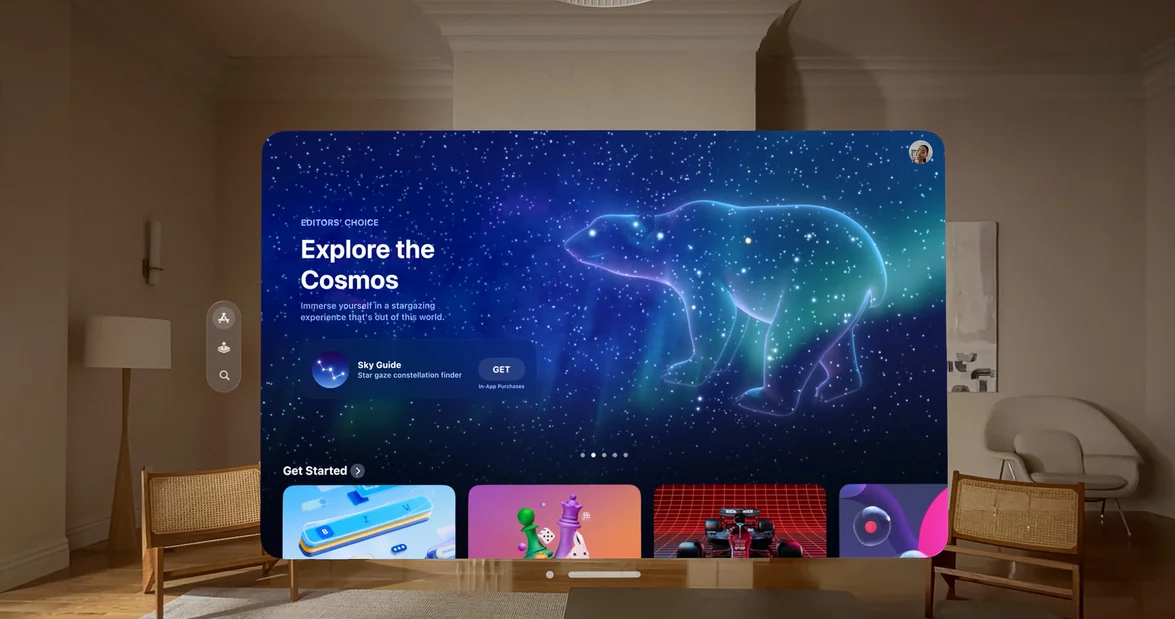
On Vision Pro it feels really precise. The eye tracking is very fast and the accuracy is very high, and the hand gestures seem to register almost instantly. The Samsung Galaxy XR headset feels generally close to the Vision Pro in terms of overall feel, but the XR OS seems to be a bit more focused on being flexible and customizable.
In the world of PC headsets, there’s been a bit of an isolation trend. Gamers would spend hours upon hours lost in their game, having very little interaction with the world around them. The Lynx-R2 changes this. Our headset introduces a brand new way of gaming. Using advanced pass-through technology, gamers are always connected to their surroundings. In this way, their gaming environment becomes a part of the gaming experience itself. When using the peripheral display, for example, gamers can reach up and grab items, or switch to type on their keyboard at the same time, all while having access to all relevant information in a floating 3D shell. All the while, they’re still aware of the world that exists beyond their immediate surroundings.
Pushing Hardware Limits
This is where content starts to matter as much as hardware.
While many developers are still catching up to the spatial era, the technical architecture of Betway slots is already proving to be a formidable benchmark for these devices. Their newer titles, built on optimized 3D engines, scale surprisingly well in XR environments.
Running these games on a Samsung Galaxy XR or Apple Vision Pro isn’t just about gameplay. It becomes a benchmark. You’re testing how well the device handles:
real-time lighting and reflections
physics-based animations
layered UI elements in 3D space
consistent frame rates at 90Hz or 120Hz
In some cases, the difference is noticeable. Vision Pro excels in visual clarity and stability, while Galaxy XR shows promise in handling more complex, dynamic environments. Also ,playstation is planning on creating standalone controllers to be used on vision pro. On creating The Lynx-R2 trades some raw power for immersion, but its mixed reality approach creates a uniquely grounded experience.
MR vs VR: Two Different Futures
There’s also a broader question at play. Is full VR immersion the goal, or is mixed reality the future?
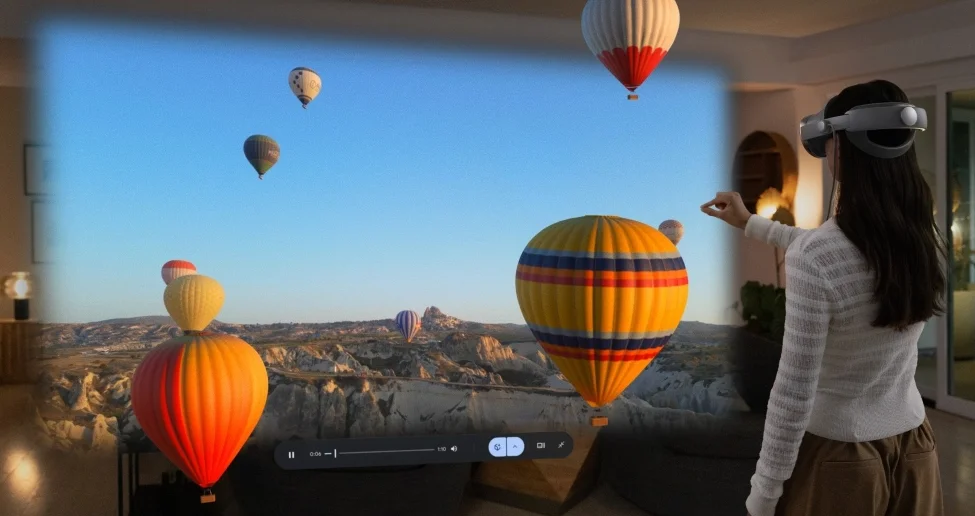
Vision Pro leans heavily into a controlled, high-fidelity environment. Samsung’s Galaxy XR sits somewhere in between, offering both immersive and flexible use cases. The Lynx-R2, however, makes a strong case for MR as the default. Being able to interact with digital content without losing awareness of your physical space feels practical, especially for longer sessions.
For gaming, this could define how developers design experiences moving forward. Fully immersive environments may remain the gold standard for visual impact, but MR could win on usability and comfort.
The Future of Spatial Gaming
I guess the next app I see will be native to the space of VR and AR. Today’s web browsers are also extremely high performance, and the browser is often the core technology behind a WebXR experience. This may change in the future, though, since the hardware hasn’t improved in the last couple of years as rapidly as it has in the previous years. Once browsers and web applications start to make use of the native APIs behind WebXR, native applications may also take a greater advantage of the new features and technologies available in spatial computing, think eye tracking, advanced physics or a dynamic environment that reacts differently depending on your movements.
Until then, our web benchmark is still very relevant. It tests your hardware and shows how your hardware handles current hardware architectures and their strengths and weaknesses. And if 2026 has made anything clear, it’s that the future of gaming isn’t just about what you play. It’s about where, and how, you experience it.

Leave a Comment