Every card game economy has a honeymoon, and every veteran of the genre can date theirs. In Marvel Snap it was pools 1 and 2, when new cards arrived every few sessions and the collection felt like it was raining. In Legends of Runeterra it was the entire opening pitch: wildcards for everyone, weekly vaults, a game that seemed almost embarrassed to ask for money. Then, somewhere between the mid-game and the second year, the drip slows. The community threads fill with the same sentence, written slightly differently each time: it used to feel so generous.
The pattern is so consistent across the genre that it stopped being a coincidence a long time ago. It is the business model, and understanding it saves a lot of heartbreak.
Runeterra Paid the Bill for All of Us
LoR is the cleanest case study because it took the generous route further than anyone and documented the consequences in public. The game's founding identity was economic fairness: cards flowed freely, wallets did not decide ladders, and it positioned itself explicitly against the pack-cracking economies of its rivals. Players adored it. The books did not. When Riot cut over 500 staff in early 2024, the LoR team was hit hard, and in a later interview covered by TheGamer, the game's leadership was candid that revenue petered out after year one and that the profitable Path of Champions, with its more direct monetization, is now where development lives. Asked earlier whether monetization would get stronger, the team's answer was a flat yes.
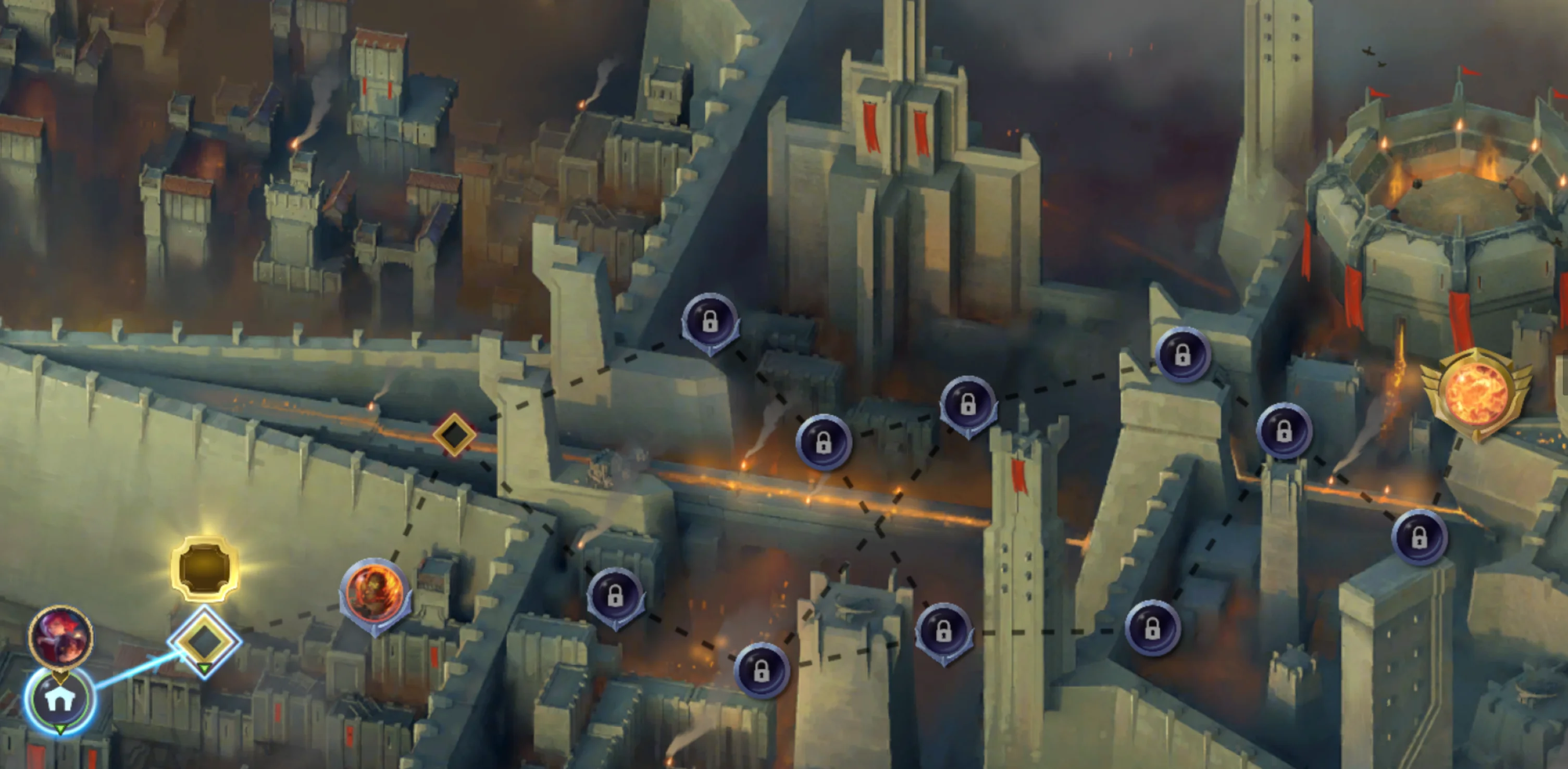
The warning signs were visible well before the layoffs. This site covered the first big pivot back in 2022, when Riot pulled developers off Path of Champions to refocus on PvP and started reshuffling staff to other projects. Read in hindsight, that news post is the exact midpoint of the arc: the generosity had done its job of acquiring a passionate community, and the search for a way to pay for that community had begun.
Acquisition Is a Different Business Than Retention
Here is the underlying math, and it applies to far more than card games. A new platform has exactly one problem: nobody is on it. Solving that problem is worth paying for, so new services spend heavily on their earliest users. Streaming services run free months, fintech apps hand out referral cash, new MMOs shower launch-window players with rewards, and new games ship their friendliest economy on day one. The generosity is real, but it is a customer acquisition cost, not a personality trait.
Real-money gaming makes the same math unusually visible because the offers are denominated in dollars. According to Patti Santoro, who maintains Snjtoday's list of new online casinos, freshly launched platforms run welcome matches anywhere from 100% to 400% of a first deposit, far beyond what established operators offer, precisely because buying your first players is the one game a new brand must win. Her rankings also catch the pattern's next chapter: the newest 2023 and 2024 builds have started running the smallest headline bonuses with the lightest fine print, betting that a modern product retains players better than a giant number with heavy conditions attached. That is the same lesson Snap and company keep relearning, that the honeymoon buys attention but the product has to do the keeping, arrived at from the opposite direction.
Read the Terms, Not the Honeymoon
The practical takeaway for players is about calibration. The launch-window economy of any new game is the best that economy will ever be, so enjoy it fully and project none of it forward. When you evaluate whether a new CCG is worth your long-term investment, look past the day-one shower and find the steady-state numbers: what does a week of play earn at collection level 3,000, not level 300? What does the pity system look like once the welcome track runs dry?
The dollar-denominated version of this rule is even cleaner, and it transfers back to games perfectly: divide the bonus by its conditions before celebrating. A 400% match buried under heavy wagering requirements is worth less than a modest offer with terms you can actually clear, the same way a launch economy stuffed with time-limited rewards is worth less than a smaller but permanent progression system. Headline generosity is marketing. Steady-state generosity is design.
None of this makes the squeeze a betrayal. Servers, artists, and balance teams get paid from somewhere, and the alternative to a monetized year three is usually no year three, a trade Runeterra players understand better than anyone now. The honeymoon always ends. The good games are the ones still worth playing afterward, and the smart players are the ones who checked, before falling in love, what the economy looks like when it stops trying to impress you.

Leave a Comment