
Somewhere in a warehouse right now, a pallet of Marvel's Wolverine discs is shrink-wrapped and waiting for September 15. That date matters more than most launch days. According to reporting from TechRadar, Insomniac's Wolverine could be one of the last major PlayStation titles to ship as a proper, fully-playable-out-of-the-box disc before Sony winds physical production down for good.
That's not a small footnote. It's the end of a format that defined three console generations. And it says a lot about where the money in gaming is actually moving.
Logan's claws aren't the only thing getting sharpened here. The entire payment layer underneath how we buy, own, and play games is shifting too, and Wolverine's disc happens to be a strange little time capsule for that change.
Why Sony Is Actually Doing This
The official line, confirmed in coverage from TechCrunch and CNBC, is that Sony will stop producing physical discs for new PlayStation titles starting in 2028. Not banning them outright. Just quietly letting the format die on the vine.
The number that explains everything: only 15% of PS5 software sold last quarter was physical, according to sales data reported by Push Square. Fifteen percent. That's not a decline, that's a format on life support.

Sony's own CFO has been blunt about the pace. In comments picked up by Tom's Hardware, the company says it's moving forward on the phase-out, cautiously, but moving forward regardless. Translation: the disc drive on your PS5 is basically a legacy feature at this point, kept around for backwards compatibility and nostalgia more than any real business case.
GameStop shelves have been shrinking for years. Best Buy cut its physical game footprint down to almost nothing back in 2024. Wolverine landing on disc in September feels less like a new chapter and more like a farewell tour stop.
What 'Digital-First' Actually Means for Your Wallet
Here's where it gets practical. Digital-first doesn't just mean no disc. It means no friction between wanting something and paying for it.
Think about what buying a game used to involve. Drive to a store. Find the case. Stand in line. Hand over cash or a card. Drive home. Install from disc, which itself could take twenty minutes. Compare that to hitting purchase on the PlayStation Store at midnight and playing within ninety seconds. The entire transaction, discovery to gameplay, collapses into one motion.
That compression is the actual story. It's not really about discs disappearing. It's about the payment rail becoming invisible. You stop thinking about the transaction because the transaction stops asking for your attention.
This is exactly the model that regulated digital gaming platforms built years before Sony caught up to it. Players in states with legal online wagering have had instant deposits, instant play, and instant cashouts for a while now, no disc, no store trip, no waiting on shipping. For New York residents specifically, the state's regulatory framework has pushed operators to compete hard on exactly this kind of friction-free experience, and a rundown of the best ny online casinos shows how far that model has come since the state's mobile sports betting launch back in January 2022.
Gambling carries real financial risk, and nothing here should be read as advice to wager beyond what you can comfortably afford to lose.
What both industries figured out, separately but at the same time, is that speed sells. Not graphics. Not content volume. Speed. The fewer steps between "I want this" and "I have this," the more often people say yes.
The Trade-Off Nobody Talks About
Digital-first isn't free, though. It just moves the cost somewhere less visible.
Ownership gets murkier. Buy a disc and you own an object. Sell it, lend it, trade it in at a used game shop for store credit. Buy digital and you own a license, one that can vanish if a platform shuts down or a publisher pulls a title from sale. Ubisoft has already delisted several older games from digital storefronts entirely, leaving buyers with nothing to show for money already spent.
There's also the account-security angle, which matters more the more your gaming life lives entirely in the cloud. A stolen login used to just mean lost save data. Now it can mean lost purchase history, lost payment methods on file, lost access to a library worth hundreds of dollars. If you haven't locked down your setup, our breakdown of gamer account security basics walks through the essentials, password managers, two-factor authentication, the stuff that actually stops account takeovers rather than just feeling secure.
And preservation is a genuine mess. Discs survive console generations. A digital license tied to a defunct storefront does not. Game historians and archivists have been sounding alarms about this for years, and Wolverine's disc release is, in a strange way, one of the last easy wins for anyone who cares about games existing in physical form fifty years from now.
Where This Leaves Players Right Now
None of this means digital is bad. It means digital shifts the responsibility onto the player to understand what they're actually buying.
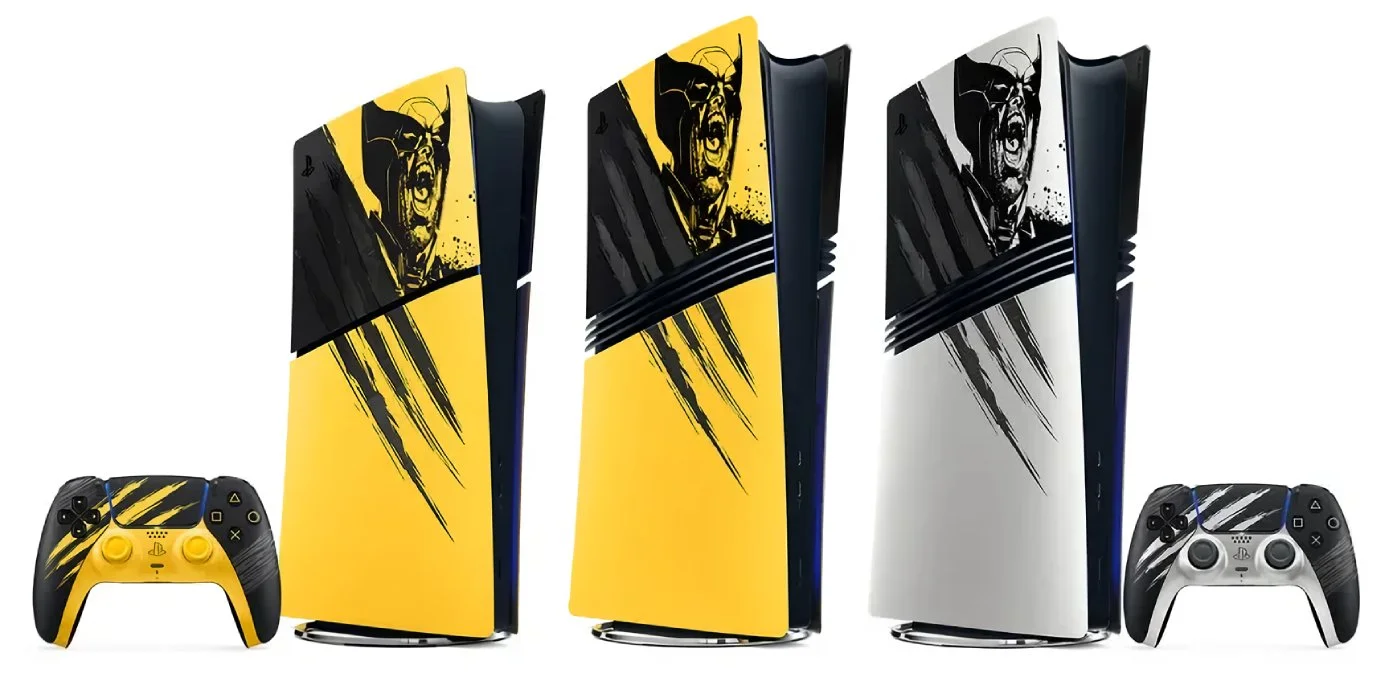
Wolverine ships September 15 on disc, according to the PlayStation Blog's own story reveal, timed alongside a Wolverine-branded PS5 bundle with preorders opening August 19. If you want a physical copy of a major first-party PlayStation release, this might genuinely be one of your last easy chances to get one before the format fades out entirely.
After that, the calculus changes. Buying games becomes closer to subscribing to a utility than owning a collection. That's not inherently worse. It's just different, and different requires different habits: checking what you're licensing rather than owning, backing up what you can, and treating your platform accounts with the same seriousness you'd treat a bank login.
Sony didn't kill the disc because discs were bad. It killed the disc because 15% market share doesn't justify a manufacturing line. The economics won, the way they usually do. Wolverine just happens to be standing in the doorway on the way out.
Frequently Asked Questions
When does Marvel's Wolverine release, and is it really getting a disc version? Marvel's Wolverine launches September 15, 2026, and yes, Insomniac confirmed it will ship fully playable on disc out of the box. Given Sony's 2028 timeline for ending physical disc production, it's likely to be remembered as one of the last major PS5 exclusives to get full physical treatment.
Why is Sony ending physical disc production? Sony cited declining physical sales, with reports putting physical purchases at just 15% of PS5 software sold last quarter. Manufacturing, packaging, and distributing discs costs money that no longer makes sense when the overwhelming majority of players buy digitally instead.
Will I still be able to play disc games on future PlayStation consoles? Sony hasn't confirmed removing disc drives entirely, only ending new disc production starting in 2028. Existing consoles with disc drives, and any external drive accessories, should still read older physical games, though backwards compatibility details for future hardware remain unconfirmed.
What happens to my digital game library if a storefront shuts down? It depends on the publisher and platform. Some, like Ubisoft, have delisted or disabled access to older digital titles entirely. Others honor licenses indefinitely. This uncertainty is exactly why account security and purchase records matter more in a digital-first library.
Are used game sales dying along with physical discs? Mostly, yes. Trade-in and resale markets depend on physical media existing in the first place. As disc production winds down toward 2028, the secondhand game market built around GameStop-style trade-ins will likely shrink further, following the same curve as physical DVD and CD resale before it.

Leave a Comment