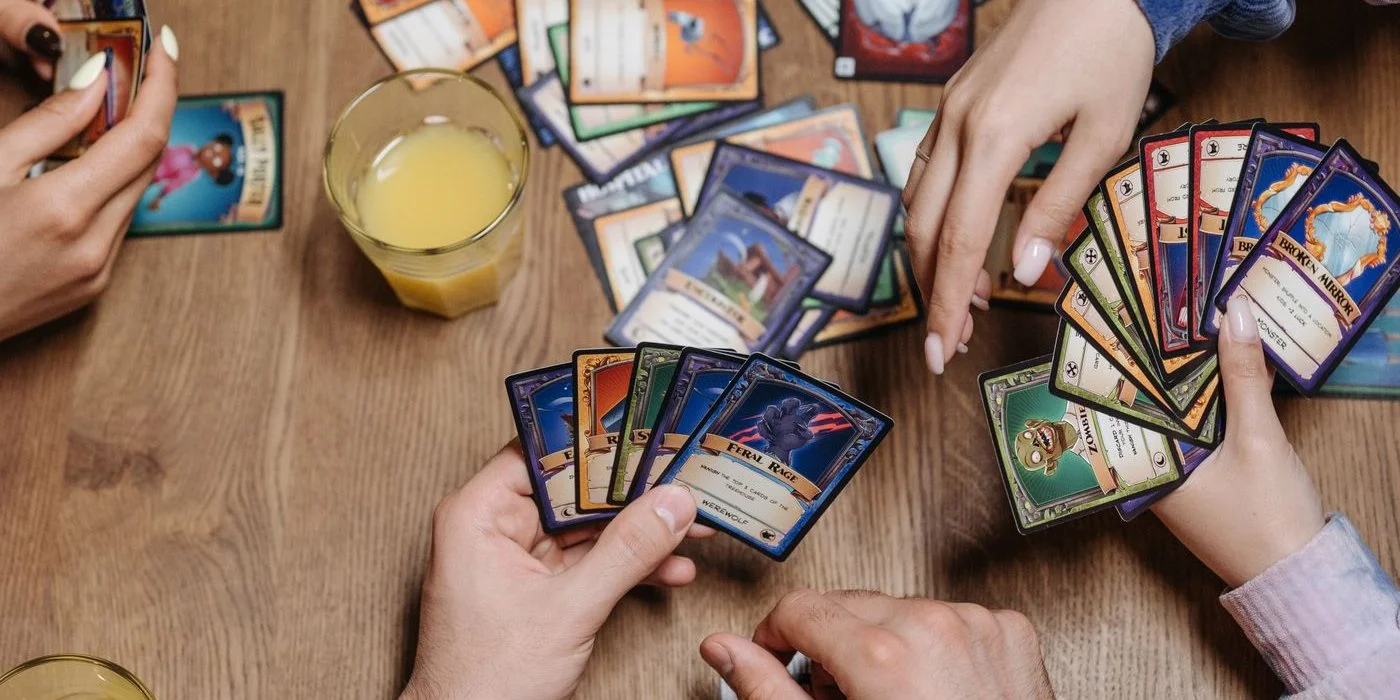
Card tables once belonged to back rooms, local stores, and weekend halls where one result could vanish by Monday. That world still exists, and it has charm. Yet organised play has moved toward calendars with dates you can follow and results you can weigh. In 2026, several card game circuits now look less like one-off gatherings and more like sports seasons with travel, form, preparation, and public records.
That change has pulled in a wider games audience. Console players understand seasonal updates. Arcade fans understand leaderboards. Tabletop regulars understand the value of official wording. Put those habits together and you get a richer kind of competitive card scene. Who wins isn't all people want to know now. It's as much who qualified and which rule set shaped the field.
Competitive Card Games Are Building Season Structures
Casino and sportsbook comparison sites for gambling have trained many online readers to check dates before trusting an offer. That same reading habit helps with card events. You look for entry rules and prize details. You check whether the format rewards one strong deck or a wider skill set. Good tournament coverage gives you the facts before the chatter starts.
Star Wars Unlimited shows how this season model works in practice. Its official qualifier hub described Season Two Sector Qualifiers as large multi-day events with main competition and side activities. Indianapolis hosted a Premier event on Aug. 22 and Aug. 23 in 2026. Dallas followed with a Limited qualifier on Sept. 5 and Sept. 6.
Open Entry Changes the Tournament Story
A bonus page and a tournament page share one basic job. They reduce guesswork. For casino and sportsbook bonuses, readers may use a thorough breakdown on SportsbookReview.com to compare claim steps and stated terms before putting money down. Card game fans need the same care with event pages. Entry route affects the field. Prize structure affects pressure. A qualifier with prior requirements tells a different story from an open event with a large prize pool. When the page explains those parts, you can judge a result with better context.
Upper Deck’s Rush of Ikorr leaned into that open-event model. The company announced a championship at Gen Con 2026 with a prize pool above $100,000. Teams of three could enter without pre-qualification. First place carried $30,000 total. Upper Deck also said 13 organised tournaments would run from March through the end of 2026. That gave a new title an immediate season shape and a reason for spectators to return through the year.
Rule Updates Turn Seasons Into Moving Targets
Official rules now carry the same weight as roster news in sport. Magic: The Gathering’s Hobbit update landed in August 2026 and added recruit as a new keyword action. The bulletin also added storied as an ability word. Those changes altered how decks could work at upcoming events.
GTA has taught a wide gaming audience to read patch notes before forming a strong opinion. One update may change mission payouts. Another may alter the online economy. Card competitors bring that same habit to deck testing. A new keyword can raise a forgotten card. A rules clarification can weaken a popular line of play. The serious fan learns to read the bulletin before reading the bracket.
Console Habits Change Spectator Expectations
On PlayStation, many players now expect a game to keep changing after release. Patches arrive. Rankings update. Seasonal content renews attention. That expectation carries into tabletop coverage because younger spectators move between screens and tables without treating them as separate worlds. The Entertainment Software Association reported that 212.3 million Americans played video games each week in 2026.
For card tournaments, the appeal is simple. A viewer wants the format before the final. A new player wants the deck rules before registration. A long-time collector wants to know whether side events reward rare builds or standard competitive lists. The old local noticeboard has grown into a season hub. That change helps fans follow a circuit without needing to live inside every forum thread.
From Side Events to Standings
Side events have become part of the season experience. They give newer entrants a place to compete without facing the toughest bracket at once. They also let publishers test demand for alternate formats. A main event may decide prestige. A side event can reveal which decks people enjoy when the prize pressure drops. That information matters to organisers who want a circuit to last.
Sports-style seasons also make player progress easier to follow. A strong showing in Indianapolis gives a player a reference point before Dallas. A rules update between events gives analysts something concrete to discuss. Deck choice becomes part of a public record. Fans begin to track form rather than treating each result as a fresh mystery with sleeves.
How Fans Can Follow the Season
Start with the event type. A qualifier carries a different weight from a local open event. Then check the format because deck construction rules shape every result. Prize information comes next. A large pool can draw a broader field. A team format can change how preparation works because teammates split roles and test matchups together.
Better coverage will connect all those details without burying the reader. Card game tournaments now borrow the best parts of sports calendars: scheduled dates and visible stakes. They also keep the odd pleasure of discovery. A deck no one expected can still win a room. A rule update can still unsettle the field. That mix gives competitive card games their growing season feel.
Leave a Comment