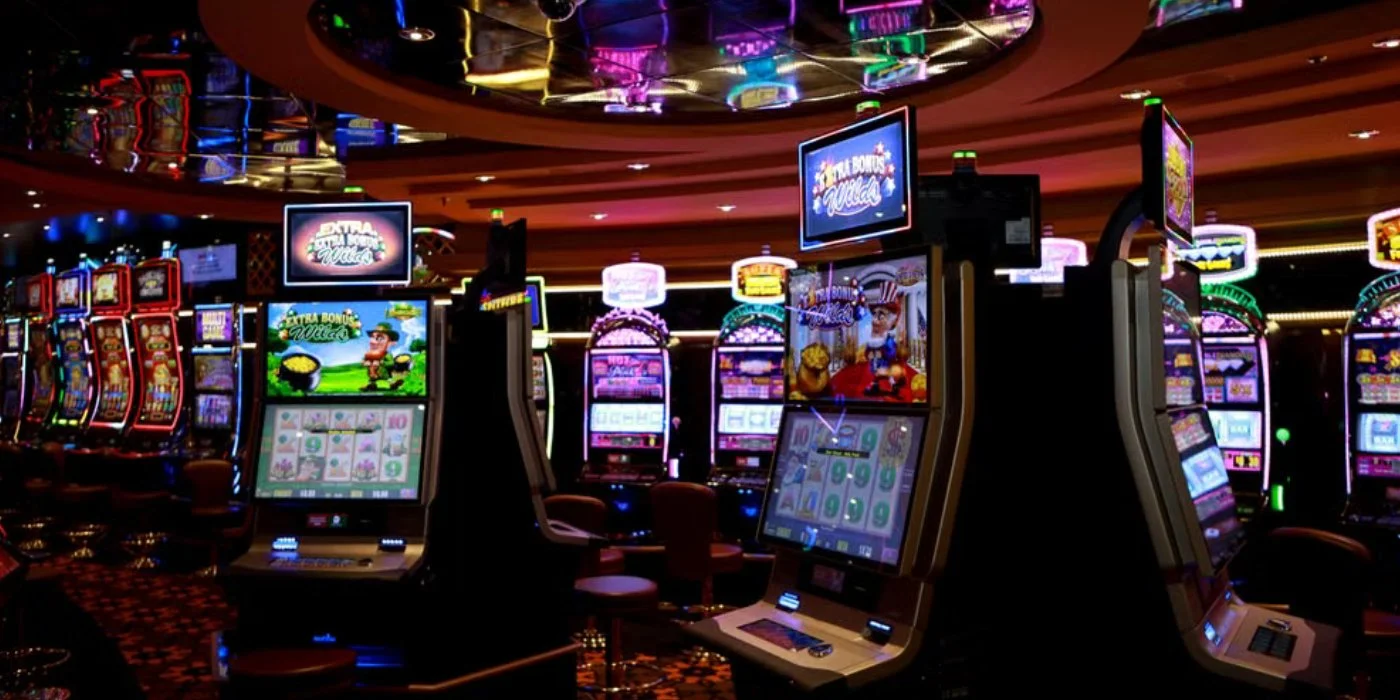
Modern games are not built around one moment. They are built around loops.
A player logs in, receives a prompt, checks a reward, completes a small action, sees progress, browses new content, and decides whether to continue or return later. This pattern exists across card games, mobile titles, RPGs, shooters, live-service games, idle games, strategy games, and browser-based entertainment.
That same design logic helps explain how a social casino platform can fit into casual digital entertainment. Social casino-style platforms often use virtual coins, themed games, reward systems, events, short sessions, mobile access, and browser play to create a structure users can understand and revisit.
The best platforms are not only about bright visuals or a long game list. They are about systems. Users need to understand what they can do, how the platform responds, where rewards appear, how virtual coins work, and how to manage the experience.
Good game design is not only about keeping users active. It is about making the experience clear enough that users know why they are returning.
Game Design Starts with the Loop
A game loop is the pattern that keeps play moving.
In a card game, the loop may be build a deck, enter a match, draw cards, make decisions, win or lose, earn rewards, improve the deck, and play again.
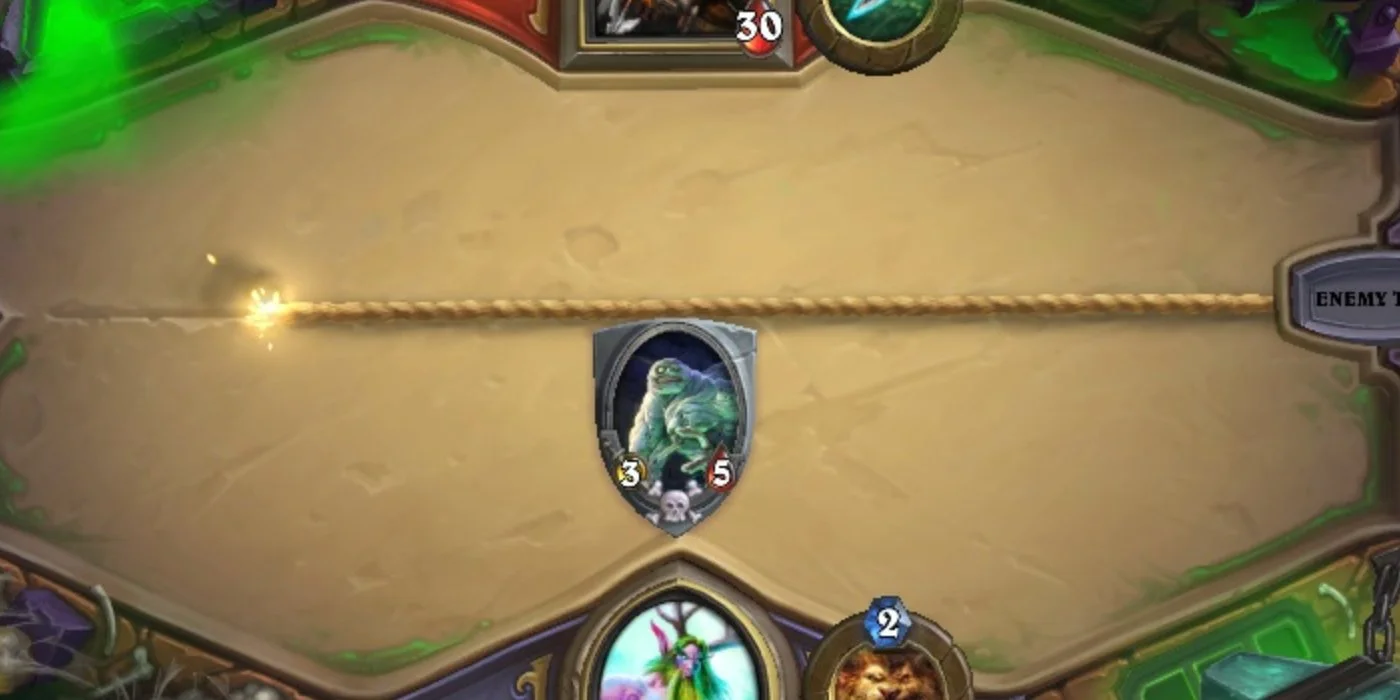
In an RPG, the loop may be explore, fight, collect items, level up, unlock abilities, and move into a new area.
In a social casino-style platform, the loop may be open the platform, collect virtual coins, browse games, play a short session, check rewards, view an event, and return later.
The loop should be easy to understand.
If users do not know what happened or what they can do next, the design has failed. A clear loop gives structure to casual entertainment.
It turns a short visit into something that feels complete.
Reward Loops Are a Core Design Language
Out of Games has covered this directly in its article on reward loops explained. The article describes reward loops as a central part of modern game design, especially in online, mobile, and casual gaming environments.
That idea is important for social casino-style platforms because rewards are often part of the session rhythm.
A user may return to collect a daily reward, check an event, explore a game library, or see what has changed since the last visit. Rewards create movement, but only when they are clear.
A reward loop should answer simple questions.
What did the user receive?
Why did they receive it?
How can it be used?
Does it expire?
Is it tied to an event or promotion?
Where are the full rules?
A good reward loop creates clarity and momentum.
A poor reward loop creates confusion.
Virtual Coins Are a Resource System
Every game genre has its resources.
Card games use cards, mana, dust, packs, shards, or collection points. RPGs use gold, items, experience, stamina, skill points, or crafting materials. Strategy games use energy, units, buildings, time, and upgrades.
Social casino-style platforms often use virtual coins as a central resource.
Users may receive virtual coins through sign-up offers, daily rewards, events, missions, promotions, or other platform features. Those coins are then used inside the platform according to its rules.
This system can work well when it is visible and easy to understand.
Users should know how virtual coins are earned, how they are used, whether they expire, whether different coin types exist, and whether optional purchases are available.
A clear resource system helps users feel oriented.
A confusing resource system makes the platform harder to trust.
Session Design Matters More Than Session Length

Not every game needs long sessions.
Some games are built for deep focus. Others are built for quick check-ins. A collectible card game may support both, with ranked matches, deck building, collection management, and casual modes. A mobile game may be designed around two-minute sessions throughout the day.
Social casino-style platforms often fit short-session behavior.
A user may open the platform, collect virtual coins, browse a game, play briefly, check a reward, and leave.
That design can work well if the platform respects interruption.
Users should be able to pause without losing track of what happened. They should be able to return later and understand what changed.
Short sessions require strong structure.
A platform should not waste the user’s first few minutes with unclear menus, hidden rules, or confusing prompts.
Game Libraries Need Discovery Systems
A large game library is only useful if users can navigate it.
Out of Games readers understand this from card games and live-service titles. A huge collection can be exciting, but without filters, categories, deck tools, search, recommendations, and clear labels, it becomes overwhelming.
Social casino-style platforms face the same design challenge.
A platform may include slot-style games, card-inspired formats, themed titles, seasonal games, event-linked games, and bonus feature games.
Users need discovery tools.
Helpful options may include categories, search functions, featured games, recently played sections, new game labels, event tags, and simple menus.
The goal is not only to show many games.
The goal is to help users find the right game for the moment.
Theme Is a Navigation Tool
Theme is not only decoration.
In games, theme helps users understand the mood of the experience before they read every rule. A fantasy card set feels different from a sci-fi expansion. A pirate event feels different from a winter event. A serious strategy game feels different from a colorful mobile puzzle game.
Social casino-style games also use theme to communicate quickly.
Symbols, backgrounds, sound cues, animations, colors, and game titles help users understand whether a game feels classic, playful, adventurous, seasonal, relaxed, or energetic.
Good theme reduces friction.
It helps users choose faster.
But theme should never replace clear rules. A game can look polished and still be confusing if users cannot understand virtual coins, rewards, events, or account tools.
Strong design combines style with clarity.
RNG Should Be Explained in Plain Language

Randomness is familiar to gamers.
Card draws, loot drops, critical hits, item rolls, spawn rates, packs, gacha pulls, and procedural encounters all use randomness in different ways. Players may not know every technical detail, but they understand that chance-based systems need clear expectations.
Social casino-style games often use random outcomes as part of the experience.
That makes plain language important.
Users should understand that results vary, that outcomes are not guaranteed, and that the platform’s rules define how the experience works.
The explanation should be easy to find and easy to read.
A platform does not build trust by hiding complexity. It builds trust by explaining the experience clearly enough that users know what they are interacting with.
Events Create a Live-Service Feel
Live-service games stay active through events.
A game may introduce limited-time modes, seasonal rewards, special challenges, themed cosmetics, community goals, or temporary rule changes. These events give players a reason to check what is happening now.
Social casino-style platforms may use similar timing.
They may offer daily missions, weekend challenges, leaderboard races, seasonal campaigns, themed games, or limited-time rewards.
Events can make a platform feel alive.
But they should be simple to understand.
Users should know how to participate, when the event begins, when it ends, what rewards may be connected to it, and whether conditions apply.
A clear event adds excitement.
A confusing event turns live-service energy into user friction.
Progression Does Not Have to Be Complicated
Progression is one of the most powerful ideas in game design.
It can be a level, rank, collection, battle pass, achievement, badge, reward track, unlock, or simple daily streak.
Social casino-style platforms may not use progression in the same way as RPGs or competitive games, but they can still create a sense of return through rewards, events, coin balances, recently played games, and user history.
The key is moderation.
Progression should help users understand the platform. It should not overload them with too many unclear systems at once.
A casual platform should feel active without feeling like a second job.
Users should always know where to find the basics.
Mobile Access Is Part of the Product

Modern gaming is multi-device.
Players may check a card database from a laptop, play a mobile game on a phone, read patch notes on a tablet, and watch streams on a second screen. Entertainment follows the user across devices.
Social casino-style platforms need to fit that reality.
Games should load smoothly on mobile. Menus should be readable. Buttons should be easy to tap. Virtual coin balances, rewards, event details, account settings, support, privacy information, and responsible-use tools should be easy to find.
A mobile experience is not a smaller version of the desktop experience.
It is often the main experience.
If mobile access feels slow or cluttered, users may leave before understanding the platform.
Browser Play Reduces Entry Friction
Browser-based gaming has a long history.
Players have used browsers for card databases, strategy guides, forums, browser games, patch notes, game tools, and community hubs for years. A browser can make exploration easier because it does not require a full download.
Social casino-style platforms can benefit from browser access too.
A user may open the platform from a laptop, tablet, Chromebook, or phone and begin exploring quickly.
But low-friction access should not mean low-quality design.
The platform should still load smoothly, display games clearly, show rewards and coin balances, and make account tools, support, terms, and responsible-use information easy to locate.
A good browser experience should feel complete.
Trust Signals Are Game Systems Too
Players evaluate trust constantly.
They look at patch notes, developer communication, balance changes, support quality, monetization rules, account security, community behavior, and whether the game respects their time.
Social casino-style platforms need similar trust signals.
Important trust details include clear terms, privacy information, support options, account settings, virtual coin rules, reward explanations, event details, notification controls, and responsible-use tools.
These are not separate from the product.
They are part of the user experience.
A platform that explains itself clearly feels more reliable.
A platform that hides key information creates doubt.
In game design, clarity is a trust mechanic.
Responsible Use Should Be Visible
Social casino-style entertainment should be treated as casual entertainment.
Users should be able to manage notifications, review account settings, access support, and find responsible-use tools when needed.
These tools should be easy to locate.
A strong platform gives users control over how the experience fits into their routine. It helps them decide when to engage, when to pause, and how to understand the platform rules.
Good entertainment should feel enjoyable, understandable, and manageable.
A platform that respects user control is stronger than one that only pushes engagement.
What Players Should Check Before Joining
Before using any social casino-style platform regularly, players can review a simple checklist.
Does the platform explain its model clearly?
Are virtual coins easy to understand?
Are rewards transparent?
Are events simple to follow?
Is the game library organized?
Does mobile access work smoothly?
Is browser access reliable?
Are support options visible?
Are account controls easy to find?
Are responsible-use tools available?
Players already use this kind of judgment in other games.
They check whether the game is active, whether the systems are fair, whether progression is clear, and whether the experience respects their time.
The same mindset works here.
Why This Topic Fits Out of Games Readers
Out of Games readers understand game systems.
They know how reward tracks, events, balance changes, card collections, updates, in-game currencies, expansions, and live-service design shape player behavior.
That makes social casino-style entertainment a relevant design topic when it is framed through systems instead of surface-level visuals.
The point is not that every social casino-style platform is the same as a card game, RPG, or live-service title.
The point is that many modern entertainment platforms use similar design language: rewards, resources, events, sessions, progression, discovery, and trust signals.
Players who understand those systems are better prepared to evaluate any platform that uses them.
The Game Systems Takeaway
Social casino platforms can learn a lot from modern game design.
The strongest platforms explain their core systems clearly, make virtual coins easy to understand, build rewards that support short sessions, organize events well, and help users find games without friction.
They also make support, account settings, privacy information, notification controls, and responsible-use tools easy to access.
Good design is not only about getting users to return.
It is about helping users understand why they are returning, what they can do next, and how the platform fits into their own entertainment habits.
That is the difference between a platform that only looks active and a platform that actually feels well designed.

Leave a Comment