
In Counter-Strike 2, information is often more valuable than aim. A player can have perfect crosshair placement, but if the team does not know where the enemy is, that advantage quickly disappears.
That is why CS2 map callouts are so important. A callout is a commonly understood name for a specific area of the map. Instead of saying “There is an enemy somewhere near the boxes on the left side of A”, a player can simply say “One Tetris”.
The second call is shorter, clearer and, most importantly, gives teammates information quickly enough to act on it. The same principle applies when following the competitive scene: understanding map positions makes it much easier to follow professional matches, analyze rounds and keep track of the latest CS2 Matches.
This guide covers the current CS2 Active Duty map pool for 2026 and the most useful callouts for Mirage, Ancient, Anubis, Dust II, Inferno, Nuke and Overpass. Train is also covered later as a Reserve/Competitive map rather than an Active Duty map.
Valve's January 2026 Premier Season Four update added Anubis back to Active Duty and removed Train. The current seven-map pool is therefore Ancient, Anubis, Dust II, Inferno, Mirage, Nuke and Overpass.
Quick answer: If you are new to CS2, do not try to memorize every location on every map. Learn around 10–15 important callouts on the map you play most often. That is enough to communicate effectively in the majority of Premier and Competitive rounds.
What Are CS2 Map Callouts?
CS2 map callouts are standardized or semi-standardized names players use to describe positions on a map.
For example, on Mirage, players commonly use names such as:
A Ramp
Palace
Tetris
Ticket
Jungle
Connector
Short
Market
Apps
B Short
Instead of describing a player's exact coordinates, you give your teammates a familiar reference point.
A good callout should be:
short;
easy to understand;
recognizable by most players;
specific enough to identify the enemy's approximate position.
There is no single universal dictionary for every CS2 callout. Some positions have two or more names depending on the region, team or player's background. Community callout resources also note differences between North American, European and other regional terminology.
That is normal.
The goal is not to use the most "correct" word. The goal is to make sure your teammates understand you immediately.
Why Callouts Matter More in Premier and Competitive
Good communication can turn a 50/50 fight into an easy trade.
Imagine a teammate sees an enemy on Mirage A site.
Bad call
"He's somewhere on A, maybe behind the boxes."
Your teammates still have to search for him.
Good call
"One Ticket."
Now the player holding CT can adjust immediately, the player on Jungle knows where to aim and the player coming from Short can prepare a trade.
The difference is only a few words, but those seconds matter.
Callouts are especially important for:
Trades.
Your teammate dies, but gives a precise location. You know where to look instead of clearing the entire site.
Rotations.
A CT player can rotate from B to A much earlier if the information is reliable.
Utility.
A player can call "Two Jungle" and immediately receive a Molotov, smoke or flash for that position.
Retakes.
Knowing the exact position of the last enemy is critical when there are only seconds left.
Reading professional matches.
Once you understand common callouts, watching pro CS2 becomes much easier because commentators and players can describe positions without explaining them every time.
The key principle is simple:
Fast information is usually more useful than perfectly detailed information.
How to Learn CS2 Map Callouts Fast
You do not need to spend hours memorizing a giant map diagram.
A better approach is to learn callouts progressively.
1. Learn One Map at a Time
Do not try to memorize Mirage, Dust II, Inferno and Nuke simultaneously.
Choose the map you play most often.
For example, if you mainly play Mirage, start with:
A Site
A Ramp
Palace
Tetris
Ticket
Jungle
Connector
Short
Mid
B Apps
Market
B Short
Van
Bench
CT
After several games, these names become associated with actual locations rather than words on a screen.
2. Walk Around the Map Before Playing
A private practice session is one of the fastest ways to build map memory.
Load the map and simply walk through it.
Look at the location from both sides.
For example, on Mirage:
T Spawn → Mid → Connector → Jungle → A Site
Then repeat the route from the CT side.
This creates a mental map that is much easier to recall during an actual match.
You can also use spectator/free-camera tools or a practice configuration to inspect areas from different angles.
3. Listen to Pro Matches
Watching professional CS2 is surprisingly useful for learning callouts.
Choose matches played on the map you are learning and listen specifically to the terminology.
You will repeatedly hear calls such as:
"One short."
"Two apps."
"AWP long."
"One jungle."
After enough repetition, the names start to become automatic.
4. Learn the Minimum Set First
You do not need 40 or 50 callouts to communicate effectively.
For most maps, around 10–15 important positions will cover a large percentage of real match situations.
Think about the map in terms of:
bombsites;
main entrances;
mid;
rotations;
common hiding positions;
common AWP positions;
common post-plant positions.
Once these become automatic, add secondary locations.
This approach is much more efficient than memorizing a complete callout map in one sitting.
CS2 Map Callouts: Active Duty Pool
As of 2026, the Active Duty pool consists of:
Map | Difficulty for Callouts | Key Areas |
|---|---|---|
Mirage | Easy | A Site, Mid, B Site |
Ancient | Medium | Mid, A Site, B Site |
Anubis | Medium | Mid, A Site, B Site |
Dust II | Easy | Long, Mid, Cat, Tunnels |
Inferno | Medium | Banana, Mid, Apps, Sites |
Nuke | Hard | Outside, Ramp, Secret, Heaven |
Overpass | Hard | Bathrooms, Connector, Monster, Short |
Valve's Premier Season Four update confirms the return of Anubis and removal of Train from the Active Duty pool.
Mirage Callouts
Mirage is one of the easiest CS2 maps to learn because its layout is relatively intuitive. Most important communication revolves around Mid, A Site and B Site.
The map has several iconic positions, so learning the basic terminology quickly pays off.
Zone | Callout | Notes |
|---|---|---|
T Side | T Spawn | Terrorist starting area |
A Side | A Ramp | Main T-side entrance to A |
A Side | Palace | Elevated entrance to A |
A Site | Tetris | Boxes near default A entry |
A Site | Default | Common bomb plant |
A Site | Ticket | CT-side ticket booth |
A Site | Ninja | Hidden corner near A |
Mid | Top Mid | Upper part of Mid |
Mid | Window | Window room overlooking Mid |
Mid | Connector | Route from Mid to A |
Mid | Short | Catwalk toward A |
B Side | Apps | Apartments leading to B |
B Site | Market | Building behind B |
B Site | Van | Van near B Site |
B Site | Bench | Bench position on B |
3 Mirage Callouts Every Beginner Should Know
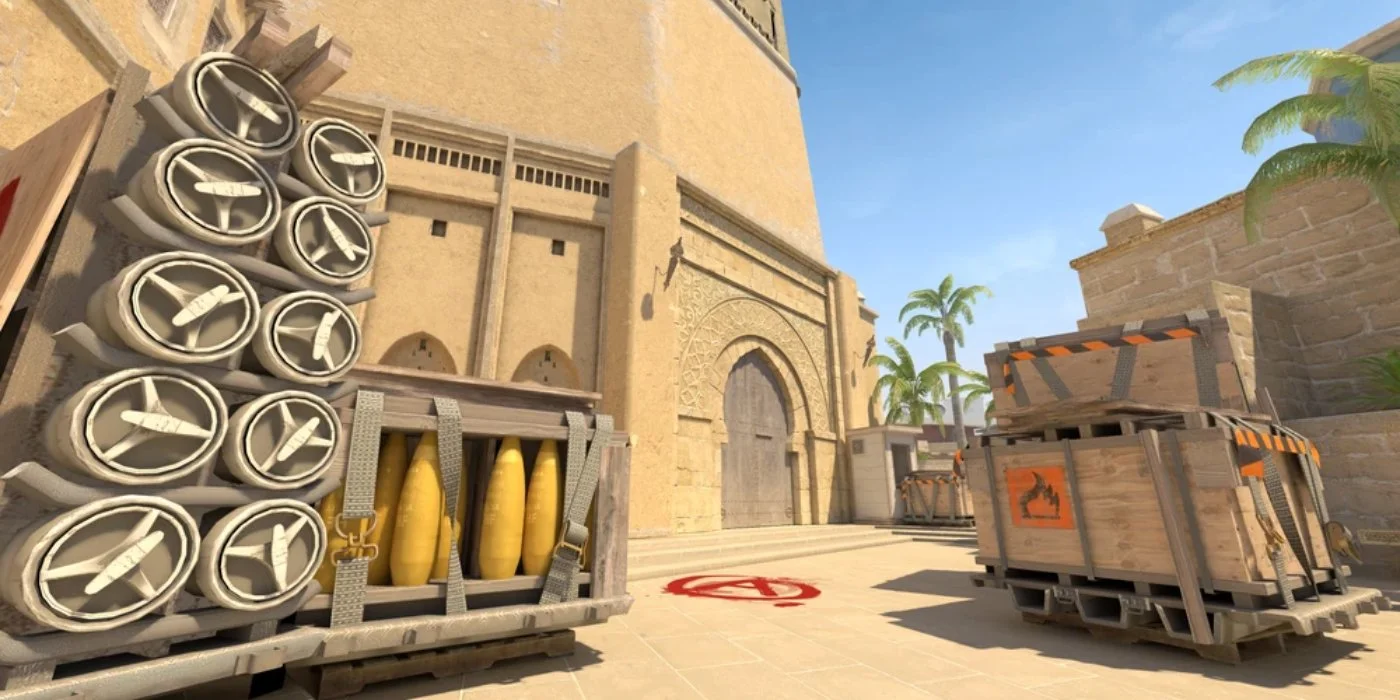
1. Mid — one of the most important areas on the map.
2. Connector — critical route between Mid and A.
3. A Ramp / Palace — the two main T-side A entries.
Once these are automatic, add Tetris, Ticket, Jungle, Window, Apps and Market.
Mirage is often considered one of the simpler maps for learning callouts because many positions have intuitive names based on their appearance or function.
Ancient Callouts
Ancient can look confusing at first because of its visual design and numerous small pathways. In practice, the core communication is centered around Mid, A and B.
Zone | Callout | Notes |
|---|---|---|
T Side | T Spawn | Terrorist spawn |
Mid | Top Mid | Upper Mid area |
Mid | Donut | Connector between Mid and A |
Mid | Temple | A-side temple area |
Mid | Red Room | Position around Mid |
A Site | A Main | Main T entrance |
A Site | Default | Common plant |
A Site | Triple | Cover near A |
A Site | Lane | Route toward A |
B Side | B Main | Main T entrance to B |
B Site | Default | Common bomb plant |
B Site | Back Site | Rear part of B |
B Site | Pillar | Large pillar/cover |
CT Side | CT | CT-side rotation |
Mid | Cave | T-side approach toward B |
3 Ancient Callouts Every Beginner Should Know
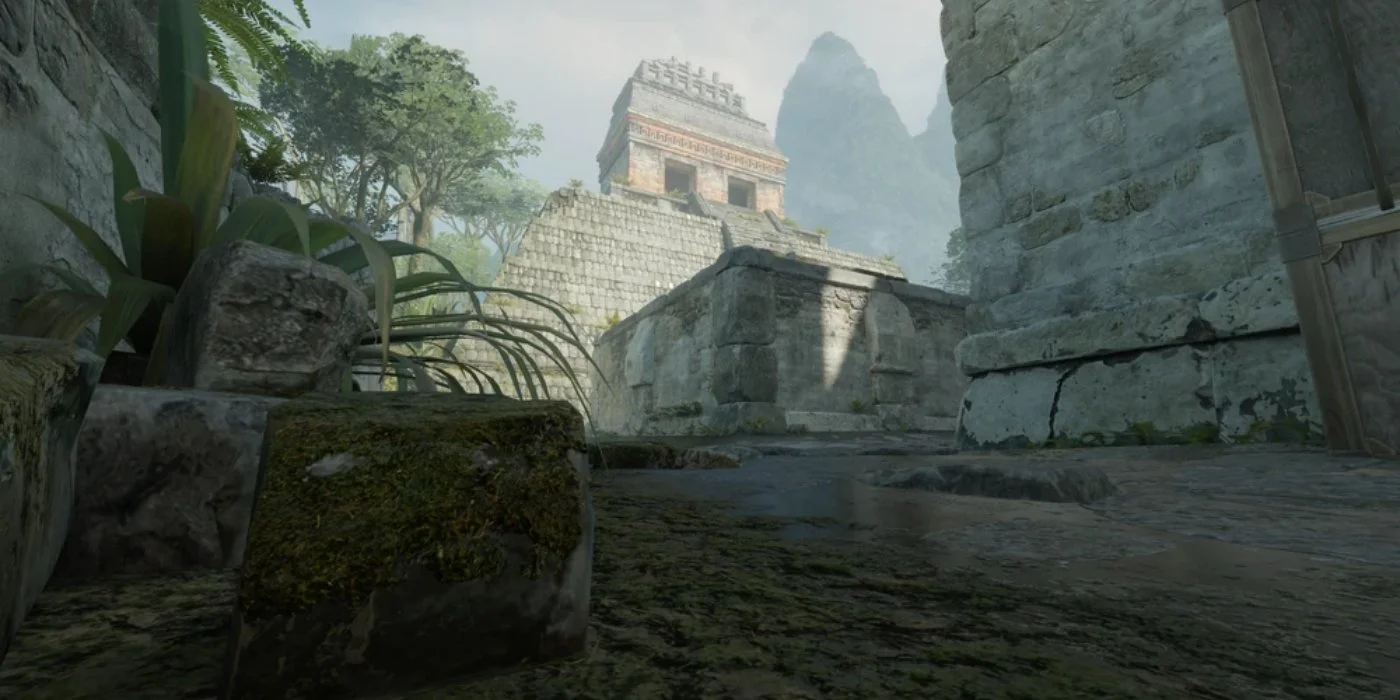
1. Mid
2. Donut
3. B Main
The biggest mistake on Ancient is trying to memorize every small corner immediately. Start with Mid, Donut, A Main and B Main, then expand into site-specific positions.
Anubis Callouts
Anubis is one of the more demanding maps for communication because players can approach sites from several directions.
Valve brought Anubis back into the Active Duty pool for Premier Season Four and also made several map adjustments, including changes around Mid Doors, Bridge and the A and B sites.
Zone | Callout | Notes |
|---|---|---|
T Side | T Spawn | Terrorist spawn |
Mid | Mid | Central part of the map |
Mid | Connector | Route connecting central areas |
Mid | Water | Water area around Mid |
A Side | A Main | Main T approach |
A Site | Default | Common plant |
A Site | Heaven | Elevated position |
A Site | Temple | Defensive position |
A Site | Ruins | Rear/side A area |
B Side | B Main | Main B entrance |
B Site | Default | Common plant |
B Site | Pillar | Important cover |
B Site | Back Site | Rear B area |
CT Side | CT | Rotation area |
Mid | E-Box | Central landmark |
3 Anubis Callouts Every Beginner Should Know
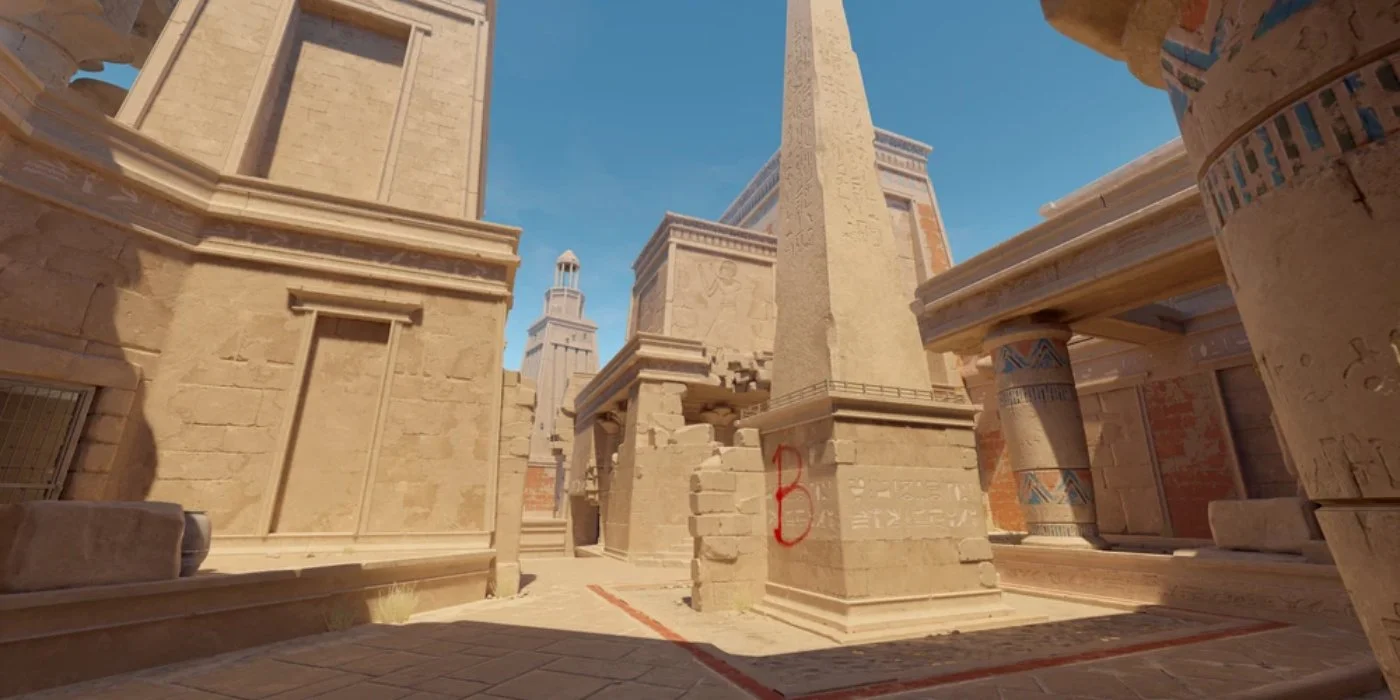
1. Mid
2. A Main
3. B Main
Anubis rewards players who can communicate quickly because rotations and late-round movement can happen through several connected routes.
Dust II Callouts
Dust II remains one of the most recognizable maps in Counter-Strike.
Its callouts are comparatively easy to learn because the basic structure has remained familiar for years: Long, Short, Mid, Catwalk and Tunnels.
Zone | Callout | Notes |
|---|---|---|
T Side | T Spawn | Terrorist spawn |
A Side | Long | Long route toward A |
A Side | Long Doors | Entrance from T side |
A Site | Default | Common bomb plant |
A Site | Goose | Famous hiding position |
A Site | Car | Car near Long |
A Site | Pit | Lower position near Long |
Mid | Mid | Central lane |
Mid | Xbox | Box used for Cat/Short access |
Mid | Cat | Catwalk toward A |
CT Side | CT | CT rotation |
B Side | Tunnels | Main B approach |
B Side | Upper Tunnels | Upper tunnel section |
B Side | Lower Tunnels | Lower tunnel section |
B Site | Default | Common B plant |
B Site | Back Site | Rear B area |
3 Dust II Callouts Every Beginner Should Know
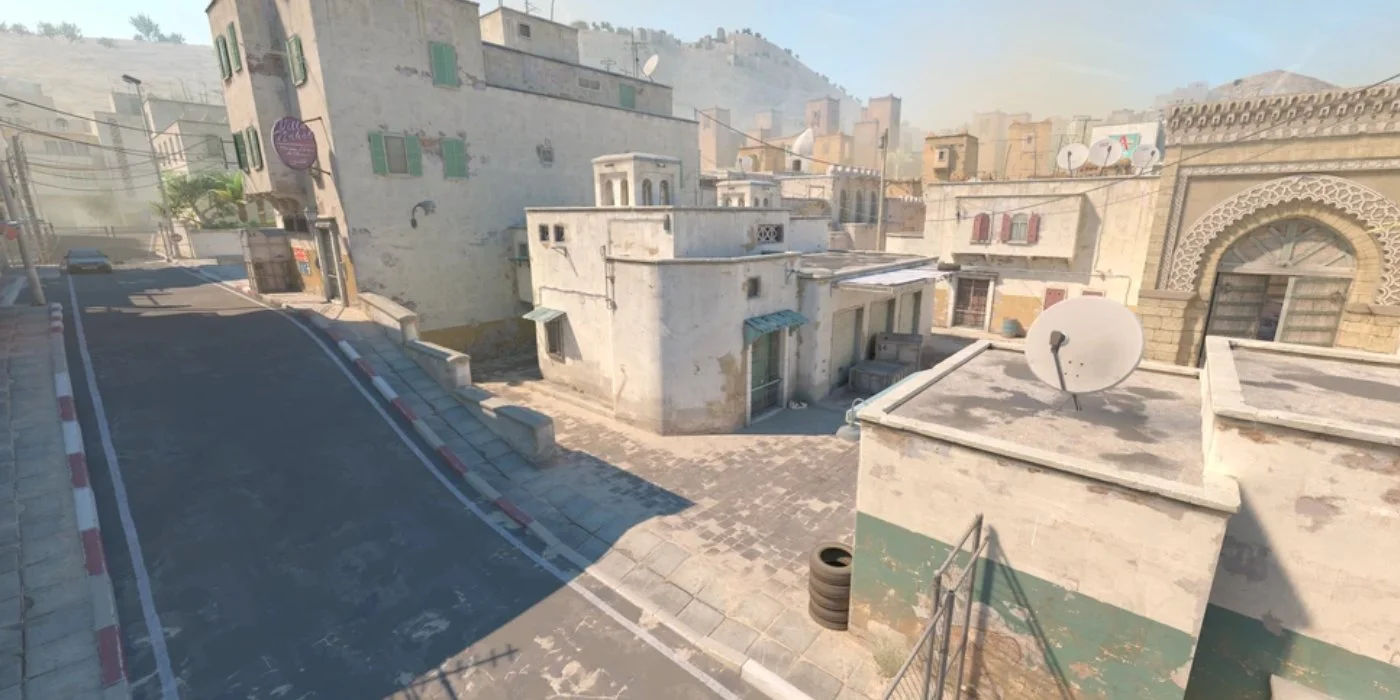
1. Long
2. Cat
3. Tunnels
For a new player, these three words already provide enough information to communicate most basic attacks and rotations.
Common Dust II guides similarly emphasize A and B sites, Mid, Catwalk, Long and Tunnels as the core callout vocabulary.
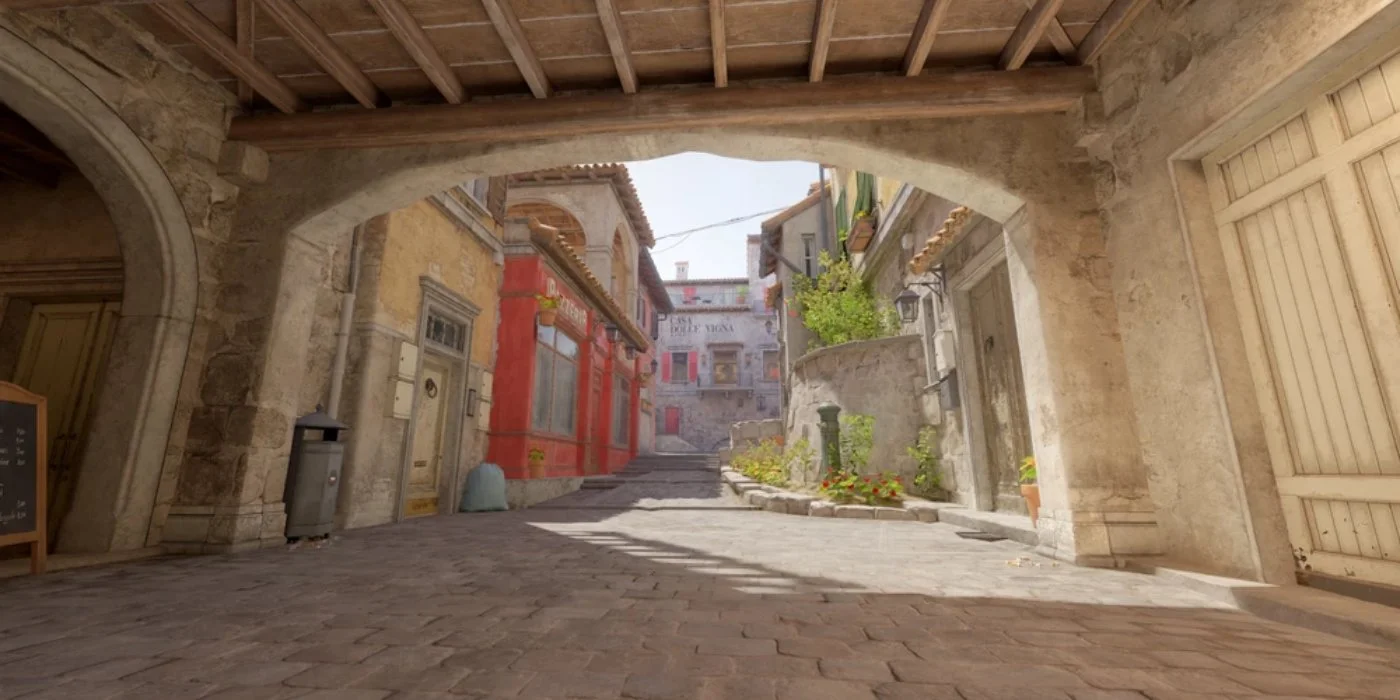
Inferno Callouts
Inferno is more complicated than Dust II because narrow corridors, multiple levels and utility-heavy areas create many possible positions.
The most important areas are Banana, Apartments, Mid and the two bombsites.
Zone | Callout | Notes |
|---|---|---|
T Side | T Spawn | Terrorist spawn |
A Side | Top Mid | Upper Mid |
A Side | Mid | Central A approach |
A Side | Apps | Apartments |
A Site | Arch | CT-side A route |
A Site | Library | Building beside A |
A Site | Balcony | Elevated Apartments position |
A Site | Pit | Famous A-site defensive position |
A Site | Default | Common plant |
A Site | Graveyard | Rear A position |
B Side | Banana | Main B approach |
B Side | Car | Car near B |
B Site | Coffins | Coffin boxes |
B Site | New Box | Important B cover |
B Site | First Oranges | Orange stack |
B Site | Dark | Dark corner near B |
3 Inferno Callouts Every Beginner Should Know
1. Banana
2. Apps
3. Pit
Banana is particularly important because controlling it often determines how much space the T side has for a B attack.
Inferno guides commonly identify Banana, Apartments, Mid and both bombsites as the essential areas to learn first.
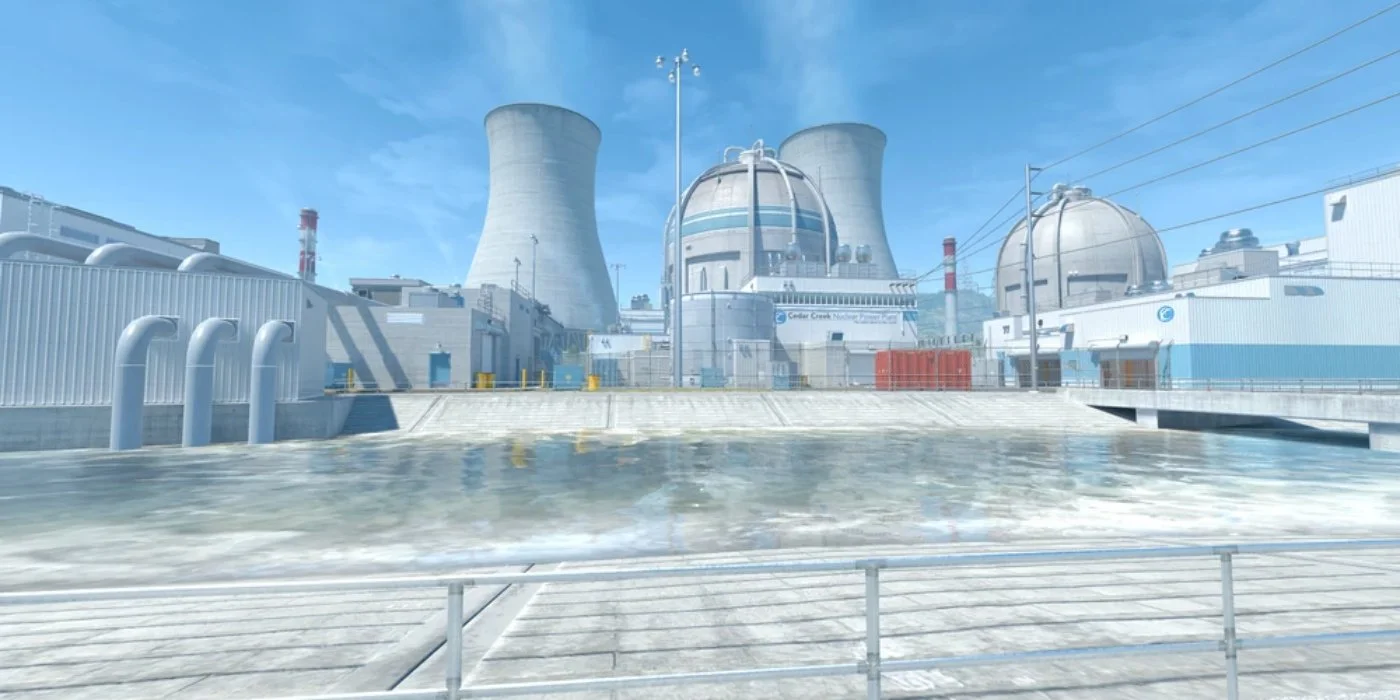
Nuke Callouts
Nuke is probably the most unusual map in the pool for new players.
The biggest reason is verticality.
On many maps, saying "I'm on A" gives enough context. On Nuke, you also need to understand whether someone is Outside, Heaven, Hell, Ramp, Secret, Lobby or Hut.
Zone | Callout | Notes |
|---|---|---|
T Side | T Spawn | Terrorist spawn |
Upper | Lobby | Central T-side area |
Upper | Hut | Entrance to A |
Upper | Squeaky | Small A entrance |
Upper | Rafters | Elevated A position |
Upper | Heaven | High A-site position |
Upper | Hell | Area below Heaven |
Upper | A Site | Upper bombsite |
Outside | Outside | Open exterior area |
Outside | Garage | Garage position |
Outside | Secret | Route to lower site |
Outside | Silo | Large exterior landmark |
Lower | Ramp | Ramp room |
Lower | Decon | Decontamination room |
Lower | B Site | Lower bombsite |
Lower | Control | Lower-site control room |
3 Nuke Callouts Every Beginner Should Know
1. Outside
2. Ramp
3. Secret
Nuke requires a little more time because you need to build a mental picture of the vertical structure.
A useful trick is to learn the map in layers:
Upper → Outside → Lower.
Do not attempt to memorize all three simultaneously.
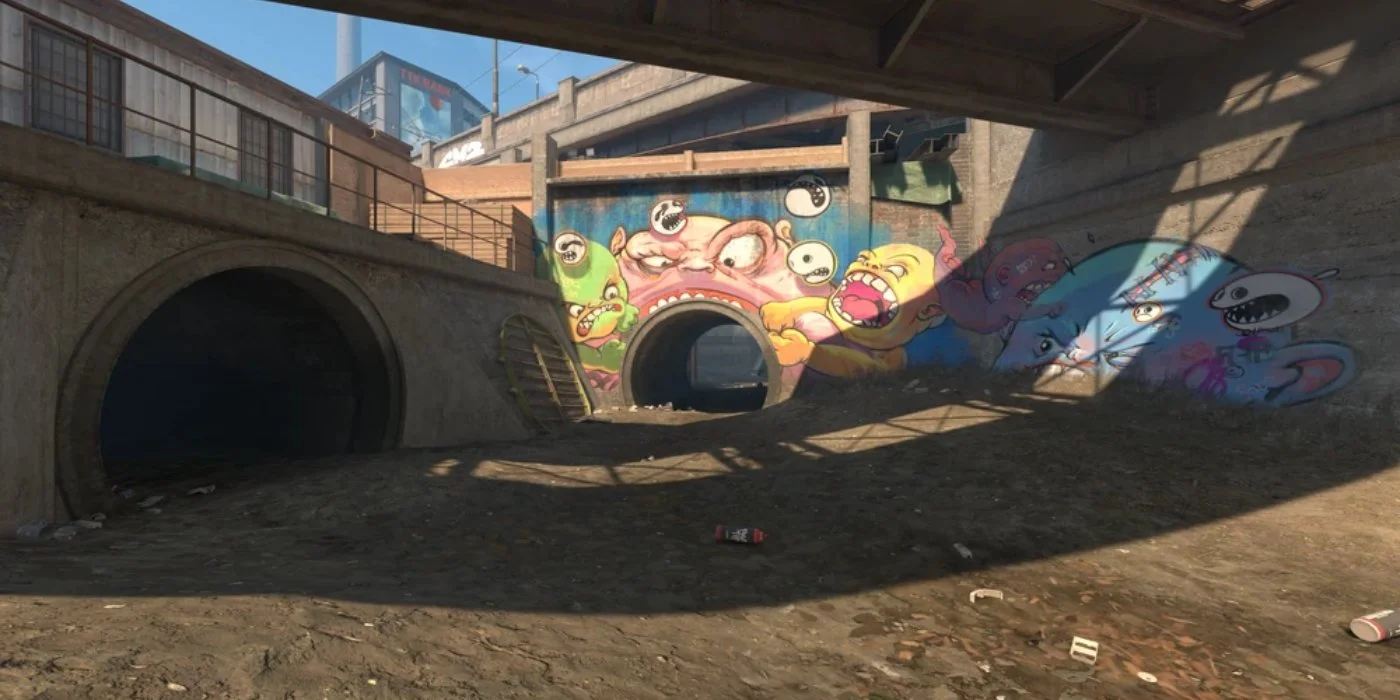
Overpass Callouts
Overpass has one of the most complicated layouts in the traditional Active Duty pool.
The map combines open areas with underground routes, bathrooms, connectors and long rotations.
Zone | Callout | Notes |
|---|---|---|
T Side | T Spawn | Terrorist spawn |
A Side | Long | Long route to A |
A Side | Short | Short A approach |
A Side | Bathrooms | Main central corridor |
A Side | Party | Area near Bathrooms |
A Site | Default | Common A plant |
A Site | Truck | Truck near A |
A Site | Bank | CT-side A area |
A Site | Graffiti | Area near A |
Mid | Connector | Link between areas |
B Side | Monster | Main underground B entrance |
B Side | Short B | Short route toward B |
B Site | Default | Common plant |
B Site | Pillar | Major B-site landmark |
B Site | Water | Water area around B |
CT Side | CT | CT rotation |
3 Overpass Callouts Every Beginner Should Know
1. Bathrooms
2. Monster
3. Connector
The most important thing to understand on Overpass is how its routes connect. Knowing individual names is useful, but understanding where those routes lead is even more important.
What About Train, Vertigo and Other Maps?
Not every CS2 map is part of the Active Duty pool.
As of the current 2026 rotation, Train is not an Active Duty map. Valve removed Train when Premier Season Four began and brought Anubis back into the pool.
That does not mean Train is irrelevant.
Train remains available in other forms of CS2 matchmaking and is worth learning if you regularly play it.
Other maps can also appear in Competitive, Wingman or community-map rotations. Current map databases distinguish between Active Duty, Competitive/Reserve and other map categories rather than treating every CS2 map as part of one universal pool.
Common Mistakes When Calling Out Positions
Knowing the words is only half the job.
You also need to use them correctly.
1. Using the Wrong Regional Callout
CS2 does not have a perfectly universal callout language.
A position can have different names depending on the region or community.
For example, one player may say Market, while another says Kitchen.
Both can refer to the same area.
If you play with random teammates, use the most common term for your region or the term your team is already using.
Do not spend the entire round arguing about which name is "correct."
The purpose of a callout is communication.
2. Confusing Similar Locations
Some words appear on multiple maps.
Examples include:
Short;
Long;
Heaven;
Hell;
Connector;
Default;
Back Site;
Main.
"One Heaven" is not enough information if your team is unsure which map-specific Heaven you mean.
Always learn the callout together with its position.
3. Making Calls Too Long
A common beginner mistake is trying to describe everything.
Instead of:
"He's behind those two boxes next to the wall on the right side of the bombsite."
Say:
"One Ticket."
Short calls are easier to understand while everyone is fighting.
4. Giving Old Information
A callout should describe the enemy's current or most recently known position.
Bad:
"Two B."
if you saw them 15 seconds ago.
Better:
"Two B Main, last seen."
This tells your teammates that the information may be outdated.
5. Calling Every Tiny Position
More information does not automatically mean better communication.
If your teammate is fighting for his life, saying:
"He's on the left edge of the second box, slightly behind the pillar..."
is probably worse than:
"Pillar!"
Learn the major positions first.
Precision comes later.
How Many CS2 Callouts Do You Actually Need?
For a beginner, 10–15 callouts per map is a good starting target.
You can divide them into four groups:
Group 1 — Bombsites
Know:
A;
B;
Default.
Group 2 — Main Routes
Know:
Mid;
Long;
Short;
Main entrances.
Group 3 — Important Positions
Know:
common CT positions;
common AWP spots;
common hiding places.
Group 4 — Rotation Routes
Know:
Connector;
Market;
Secret;
Apps;
Heaven;
other important map-specific routes.
Once these are automatic, start learning secondary positions.
This is much more efficient than trying to memorize every label on a detailed callout diagram.
CS2 Callouts and the Radar
Your radar is one of the best tools for learning map terminology.
When someone says:
"One Connector."
look at the radar and connect the word with the location.
Eventually, you will stop translating the word into a location consciously.
You will simply hear:
"Connector."
and immediately know where to look.
That is the real goal of learning callouts.
FAQ: CS2 Map Callouts
What's the difference between US and EU CS2 callouts?
Some locations have different names depending on the region.
There is no single universal vocabulary for every position. Community resources and experienced players regularly point out differences between EU, NA and other regional callout systems.
The practical solution is simple: use the term your teammates understand.
If playing with an international team, prefer the most widely recognized English callout.
Do pro players use different callouts than random matchmaking?
Sometimes.
Professional teams often develop their own terminology, especially for very specific tactical positions.
However, the majority of major map locations remain recognizable across competitive CS2.
You will still hear common words such as:
Mid;
Short;
Long;
Connector;
Ramp;
Default;
Heaven;
Apps.
The biggest difference is that professional teams may have additional names for highly specific positions.
How many callouts do I actually need to know per map?
Start with 10–15 important callouts.
That is enough to communicate effectively in most normal Premier matches.
After that, learn additional positions naturally as you encounter them.
For a map like Mirage, for example, knowing A Ramp, Palace, Tetris, Ticket, Jungle, Connector, Mid, Window, Short, Apps and Market already gives you a strong communication foundation.
Is there an in-game way to see CS2 callouts?
CS2 does not provide a universal on-screen dictionary showing the name of every position whenever you stand there.
The most effective method is to learn the names from a callout map and then reinforce them through actual matches.
The radar is particularly useful because it helps connect the name you hear from teammates with the physical structure of the map.
There are also community-built interactive callout trainers that allow players to identify positions from screenshots or place callouts directly on a radar.
Final Takeaway
Learning CS2 map callouts is one of the easiest ways to improve your communication without changing your aim, sensitivity or settings.
You do not need to memorize 50 names overnight.
Start with one map.
Learn its:
bombsites;
Mid;
main entrances;
rotation routes;
most common defensive positions.
Then use those words every round.
For 2026, focus first on the seven Active Duty maps: Mirage, Ancient, Anubis, Dust II, Inferno, Nuke and Overpass. Anubis returned to the pool when Premier Season Four began, while Train was removed from Active Duty.
The best callout is not the longest or most technically precise one.
It is the one your teammate understands immediately.
And in Counter-Strike 2, those extra seconds can be the difference between a lost round and a winning one.

Leave a Comment