
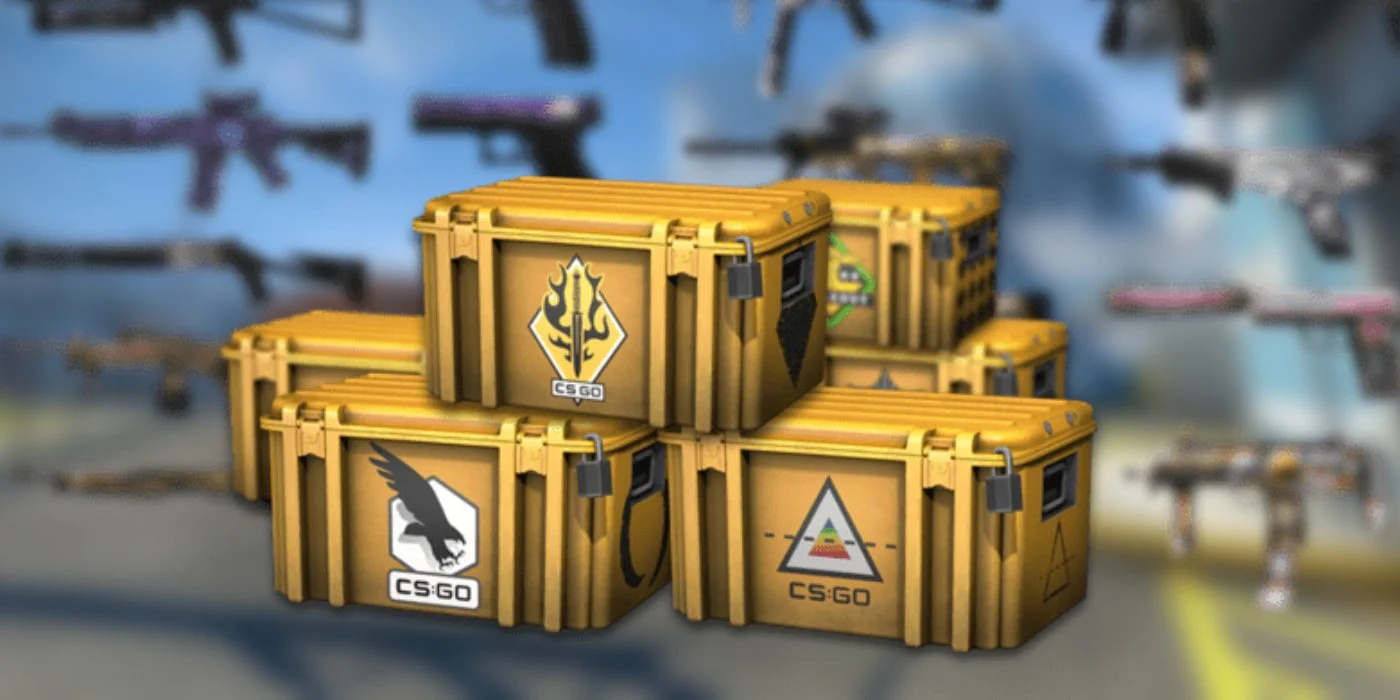
Cases have been part of Counter-Strike for years and are still an important part of CS2. Each case contains its own set of weapon skins, and some cases are much newer or easier to find than others. Older cases can still remain in circulation through player inventories and the Steam сommunity market. Understanding the difference between cases and collections makes the CS2 inventory system much easier to follow.
What Is a CS2 Case?
A CS2 case is a container with a fixed list of possible weapon skins. The available items can be viewed beforehand, so the skins associated with a particular case are not a secret. Weapon skins inside a case are divided into rarity levels. Most weapon cases also have a separate category of rare special items, such as knives or gloves, depending on the case. Standard weapon cases require a matching key, which is purchased separately.
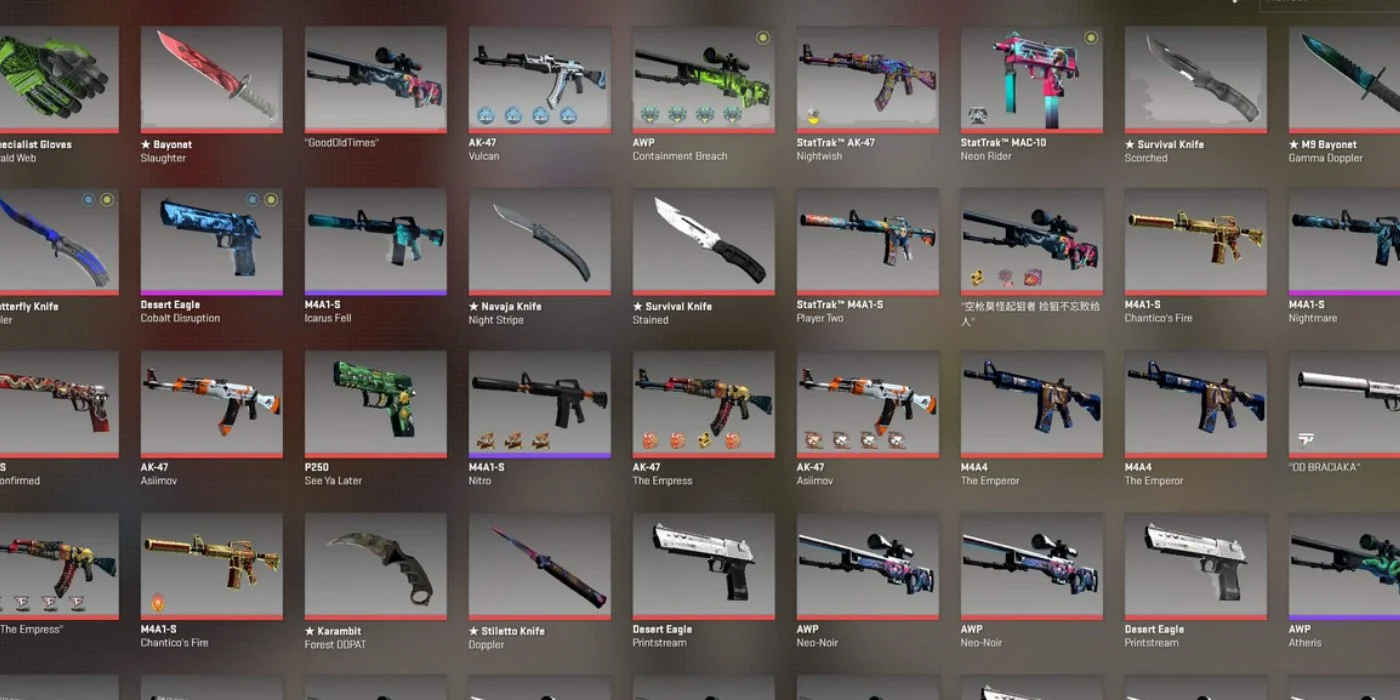
Once a skin is received, it becomes part of the player's Steam inventory. It can be equipped in CS2 and, where applicable, traded or sold through the Steam market. Skins are cosmetic and do not change the damage, accuracy, or other basic characteristics of a weapon.
The Main Types of CS2 Cases
Most cases players encounter are regular CS2 weapon cases. Releases such as the Kilowatt Case, Revolution Case, and Recoil Case belong to this broad group. Each arrived with its own lineup of weapon finishes and rare special items. There are also cases associated with past Operations. The Operation Broken Fang Case and Operation Riptide Case are examples. They were released as part of larger Counter-Strike updates rather than as isolated additions.
CS2 cases can also be divided by how they are currently available in the game. Some belong to the active pool and can still appear among regular in-game rewards. Older cases may no longer be included in this pool, which means players cannot normally get them in the same way. However, the cases that are already in circulation do not disappear. They remain in players’ Steam inventories and can still be traded or bought and sold on the Steam market.
Cases and Skin Collections Are Not the Same Thing
The terms case and collection are sometimes used as though they mean the same thing, but CS2 treats them differently. A weapon case is an actual inventory item containing a specific selection of skins. Collections are groups of weapon finishes associated with a particular release, map, or other part of Counter-Strike. The Mirage Collection, Ancient Collection, and Anubis Collection are examples of named collections. Their skins are not simply another set of regular weapon case contents.
This distinction matters when looking for a particular skin. Knowing its collection does not necessarily tell you that there is a corresponding case with the same name. Players can get collection skins through in-game rewards, special collection packages, trading, or the Steam community market.
How CS2 Cases Differ
Cases can differ quite a lot in their skins, rarity levels, overall style, and rare special items. Dreams & Nightmares has a clear visual theme. Its community-made CS2 skins feature fantasy elements, surreal artwork, bright colors, and darker imagery. The rare special items in this case are knives. The Revolution Case is quite different. Its 17 weapon skins cover a mix of styles, and gloves appear as the rare special items instead of knives. So even cases with the same basic structure can offer very different sets of weapon skins and special items.
Many cases can be bought and sold on the Steam community market just like other eligible inventory items. Their prices are set by market activity rather than by the original age of the case alone. Availability plays a large role. An older case that is no longer regularly distributed can have a very different market price from a current case with a large supply.
Third-party platforms also use the idea of cases, but these should not be confused with official Valve cases stored in a Steam inventory. A platform may create its own themed cases and decide which existing skins are included in each one. These cases exist as part of that particular website rather than as CS2 inventory items. Third-party sites may also build additional game modes around them, including contracts, case battles.
Conclusion
Cases are one route into the much larger cosmetic system. The skins connected to them can become part of a player's loadout, inventory, trading activity, or Community Market purchases and sales. They are not the source of every skin in the game, and collections do not all follow the same distribution system. Once the difference between cases, collections, and individual skins is clear, the rest of the CS2 cosmetic system becomes considerably easier to understand.

Leave a Comment