
Yu-Gi-Oh is a card game that was launched in 1999 in Japan and in 2002 world-wide, and is still going strong to this day. As such, it is a game that can seem daunting to get into, even more so than other CCGs with the same longevity, since its lack of a rotating format means that all the mechanics that were introduced over the years are all in effect at the same time. In this guide, we'll take a look at the absolute basic rules of the game, to make it easy for new players to get into it. This guide will use the latest rule set that was released on November 24th 2021 outside of Japan, commonly knows as Master Rules 5.
So grab a deck and draw your hand, because it's time to d-d-d-d-ddd-duel!
Table of contents
- Win Conditions
- Deck Structure
- Cards
- Game Layout
- Setting a Card
- Monsters
- Spells
- Traps
- Spell Speed and Chaining
- Game Phases
- Starting the Game
Win Conditions
Yu-Gi-Oh, like many card games, is a life system game. This means that both players start with a set score, known in this game as Life Points, and you win the game by bringing your opponent's Life Points to 0.
In the Yu-Gi-Oh card game, the default Life Points of each player at the start of the game are 8000. This total is reduced via monster battle and card effects, and can be increased by card effects as well. There is no limit to how high your Life Points can get.
Another way to win the game is by having your opponent draw from an empty deck. If a player needs to draw from the deck, but cannot due to no cards being there, they automatically loose the game. This is known as a 'Deck out'.
Finally, certain cards will allow you to win the duel instantly if a certain condition is met. The most famous example of this is by far [YuGiOh Card (Exodia, the Forbidden One) Not Found], but many more exist in the game.
Deck Structure
Let's talk about the deck of cards you'll use to play the game, as well as the field you'll play on.
A deck of cards in Yu-Gi-Oh can have between 40 and 60 cards, with up to 3 copies of a card allowed in your deck. This is known as your Main Deck. Some cards are only allowed 1 or 2 copies in your deck, or they aren't allowed at all. That's because Yu-Gi-Oh uses a constantly changing Ban list, that limits the usage of some more powerful cards. There's no rhyme or reason to how it works, you'll just have memorize it or look it up when building your deck. There's also no class or color restriction in Yu-Gi-Oh, you can mix and match your cards however you want.
Aside from the Main Deck, there's also the Extra Deck, which is used for storing special types of cards, most of which can't be put in the Main Deck. The Extra Deck can have between 0 and 15 cards in it at the start of your turn, but there's no upper limit to how many can be added during the game. Since this is a beginner guide, we will ignore the Extra Deck for now.
Finally, there's the Side Deck. This is a deck of up to 15 cards, and is used in formats where the winner of a match is decided after more than one game, like Best of 3. In these formats, players can replace any cards in the Main and Extra Decks with ones from the Side Deck between games. It is not used during gameplay.
Cards
There are 3 kinds of cards in Yu-Gi-Oh: Monsters, Spells and Traps. We'll take a look at each type of card later down the line, but we need the terminology now to understand how the game field works.
A typical card will be made up of the following components:
- Name
- Attribute
- Only applies to Monsters
- Level
- Type
- In between brackets, shows what kind of card this is, with more specificity on Monsters
- Lore
- Used to either explain what the card does or provide flavor text
- Attack and Defense
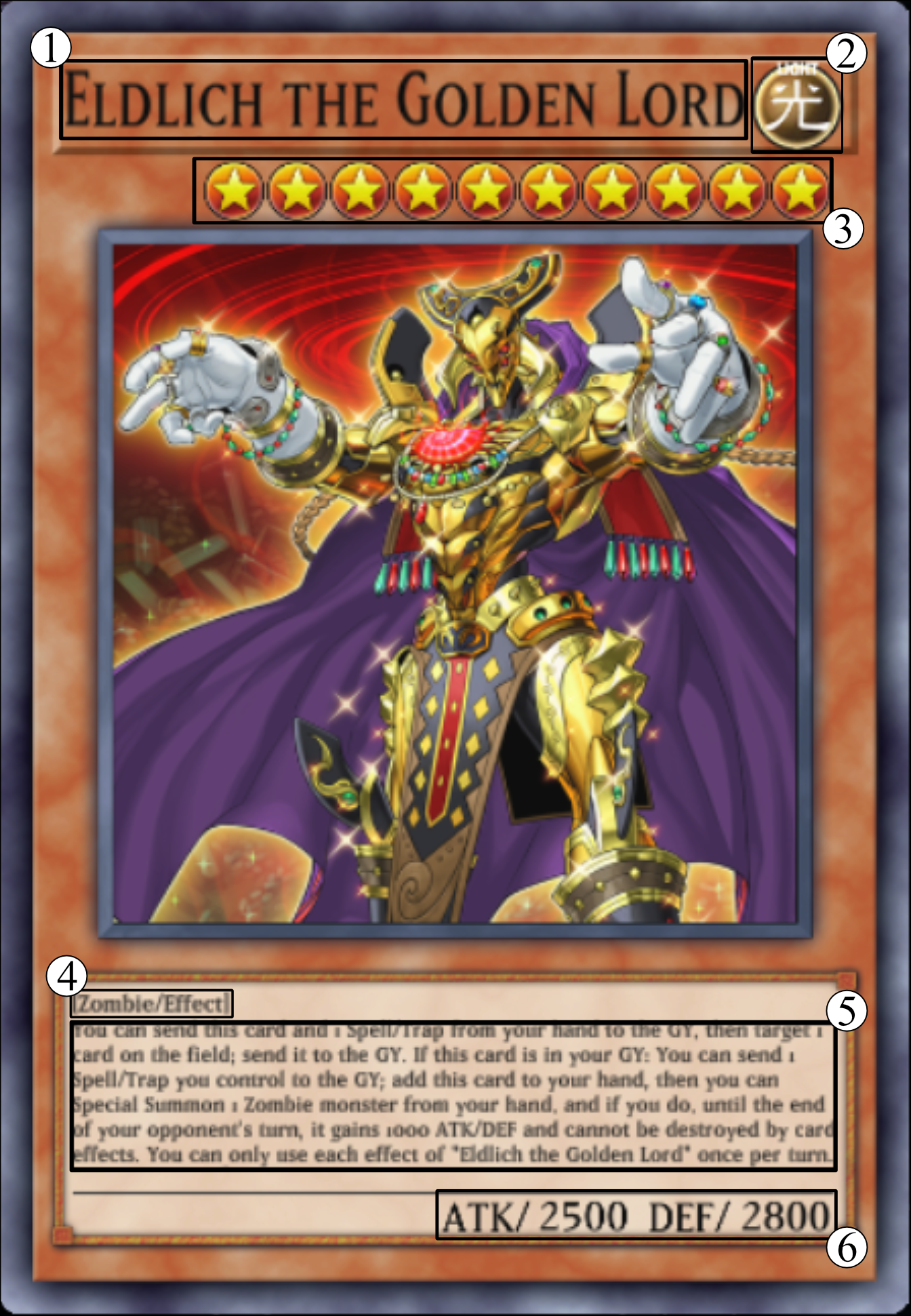
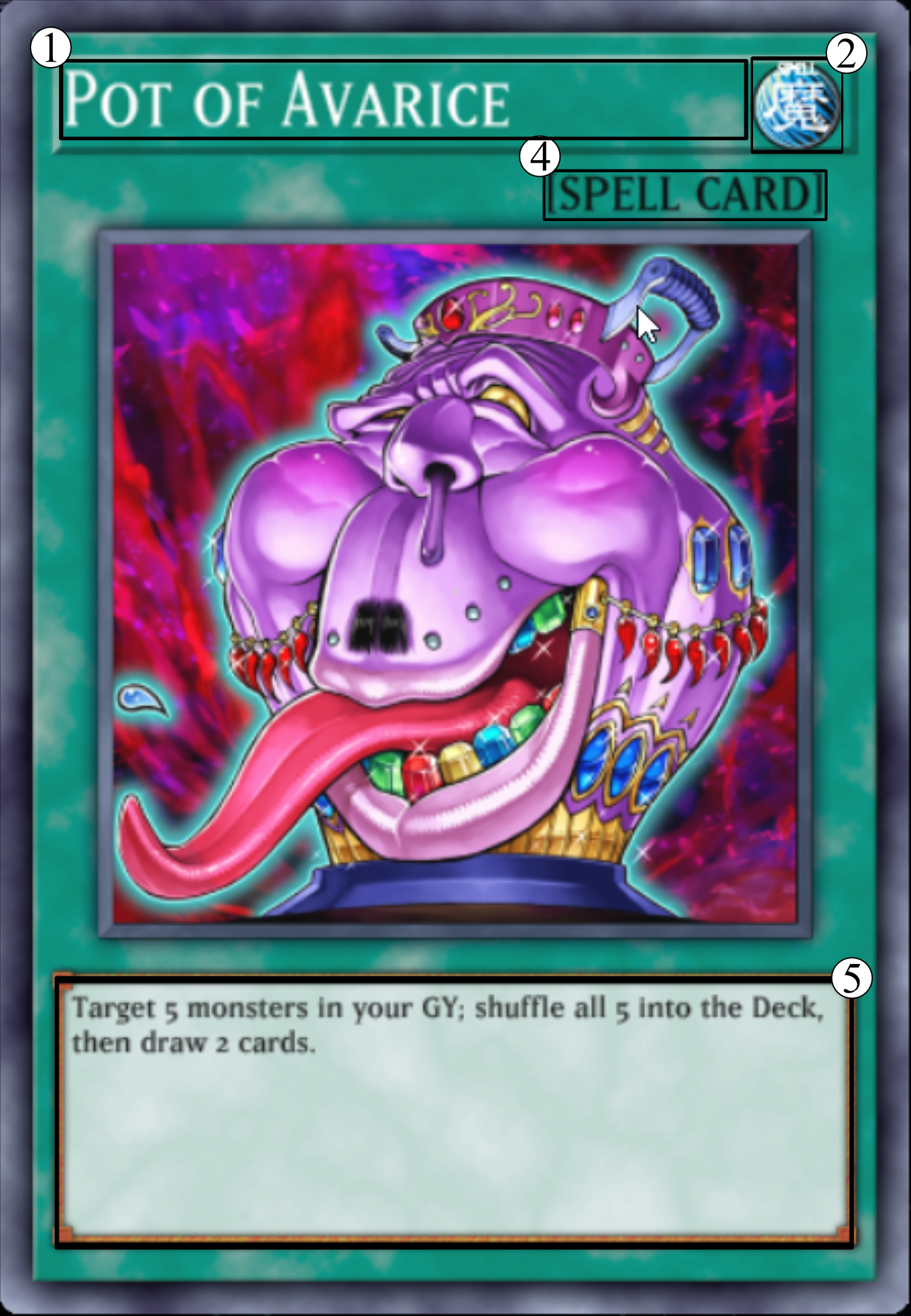
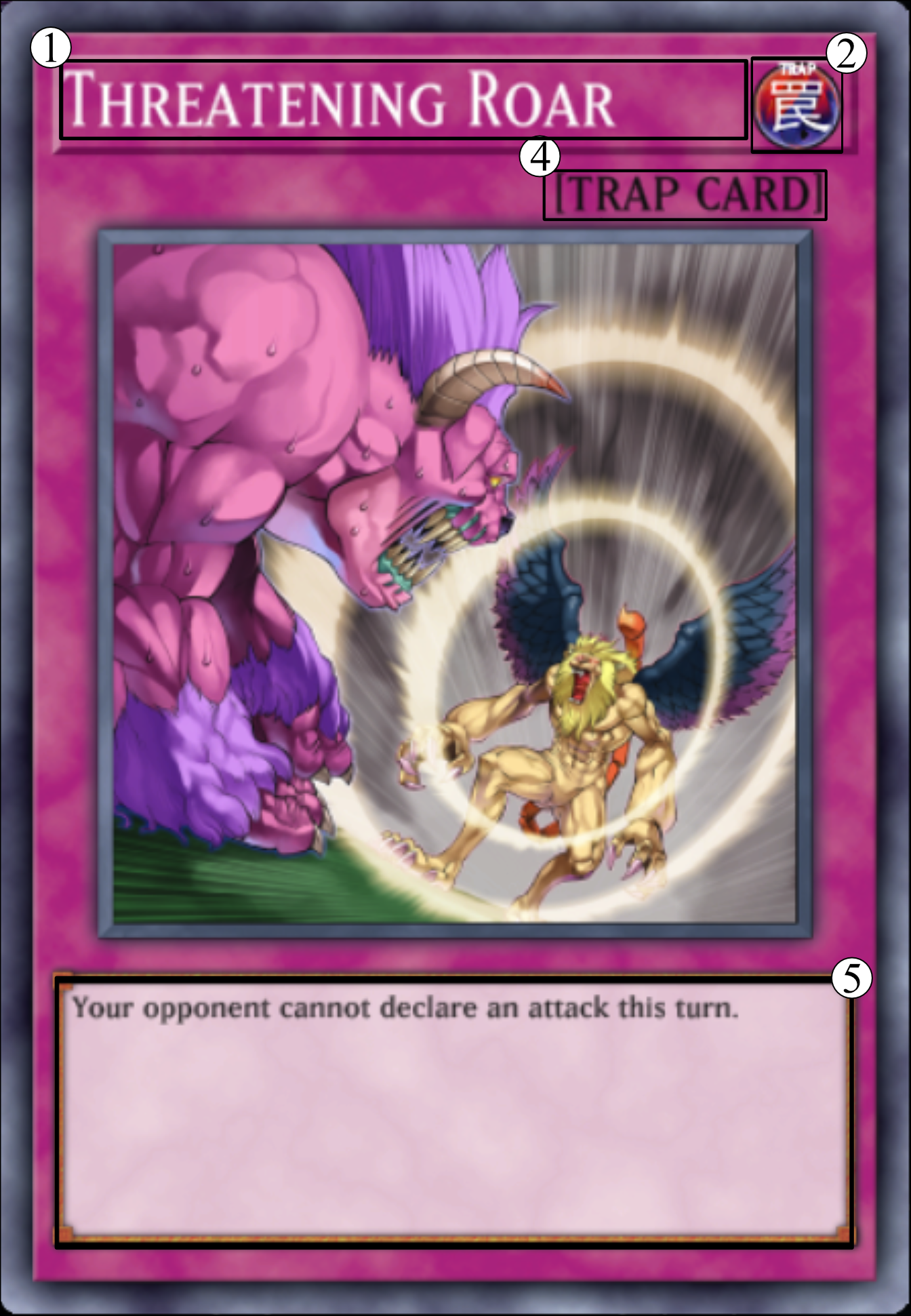
The 3 types of cards in the game
If you come from other card games, you'll notice a few things missing. Mainly, there's no cost, and there isn't an obvious way to tell the card's rarity and expansion.
Let's start with the cost. That's not a thing in Yu-Gi-Oh. Sure, each card and type of card has certain conditions that you must meet before being able to play it, but there's no mana system in play, no lands you need to tap, and so on. It's one of the most unique aspects of this game.
Yu-Gi-Oh doesn't have a rotating format. As such, the concept of an 'expansion' isn't really a thing, since there's no need to categorize cards for the purposes getting them out later. There's of course booster packs, and you can , in the physical game, see what booster a certain card is from by checking the text right bellow the artwork, but it's not crucial to being able to play the game. To learn how packs work in Master Duel, check out our Pack Guide.
Finally, while cards do have specific rarities when in a certain booster box, that aspect doesn't matter for the purposes of gameplay, since all cards can have up to 3 copies in a deck. Yu-Gi-Oh also does a lot of reprinting, so a card can have multiple rarities, like Imperial Order, who was printed as a Common, Super Rare, and Ultra Rare. Master Duel has its own rarity rules, which you can learn more about in our Crafting Guide.
Game Layout
Yu-Gi-Oh's game board is split into the following zones:
- Main Monster Zone
- This is where Monster cards are placed when they come into play
- You can have up to 5 Monster in play at once in this zone
- Spell/Trap Zone
- This is where Spell and Trap cards are placed when they come into play
- You can have up to 5 Spells and Traps in play at once in this zone
- Main Deck Zone (out of frame)
- The spot where you'd put your deck during play
- Graveyard (abbreviated GY on cards)
- When cards are destroyed or discarded, they are put into this zone
- Keep in mind that, just because a card is sent from the field to the GY, does not mean it counts as being destroyed
- Public knowledge for all players
- When cards are destroyed or discarded, they are put into this zone
- Banished Zone
- When a card is removed from play, it counts as being banished, and sent to this designated area
- Public knowledge for all players
- Field Zone
- A special type of Spell goes into this zone
- Extra Deck Zone (out of frame)
- Extra Monster Zone
- Pendulum Zones (overlaps with part of the Spell/Trap Zone)
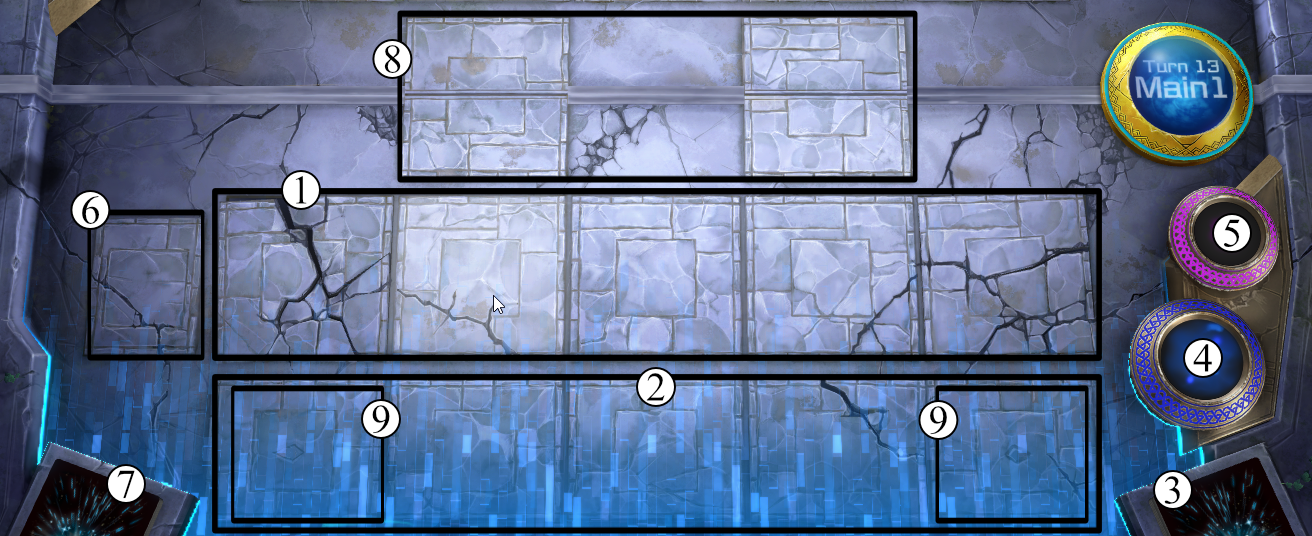
The Yu-Gi-Oh board, as seen in Master Duel
Like the Extra Deck, we will ignore the Pendulum and Extra Monster Zones for now, since they go beyond the scope of this guide.
Setting a card
Before we go into details about Monsters, Spells, and Traps, we need to talk some terminology. The action of playing a card from hand is referred to in a specific way, depending on the type of card. Monsters are Summoned, while Spells are activated.
However, there's a type of action that all 3 can do: Setting. When you Set a card, you put it in the appropriate field face-down. Spells and Traps are Set vertically, while Monster cards are Set horizontally. While a card is Set, none of its effect are active, even if it was face-up previously and was turned face down because of some effect.
Setting can be a good strategic play, as it conceals information from your opponent, but some cards cannot be played without being Set first, like Traps. There will be more information regarding how each type of card is set in their dedicated sections.
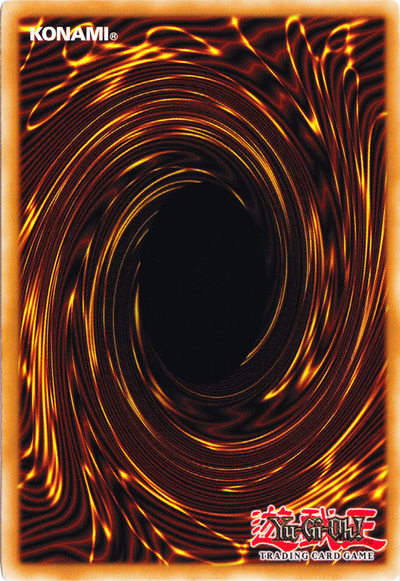
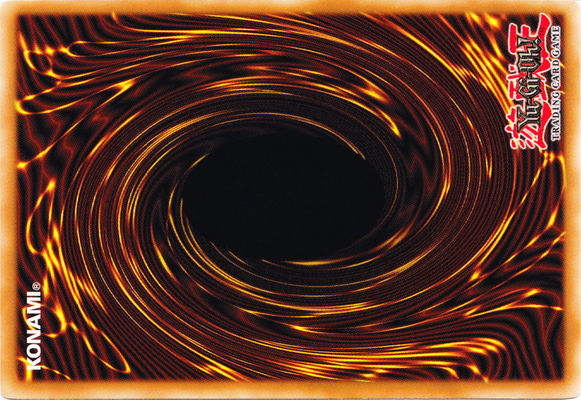
A Set Spell/Trap and Monster, respectively
Monsters
Monster cards are the main type of card used to play the game. They are what players use to battle against each other, and the main way of reducing your opponent's life points to 0. In other games, they are called creatures, minions, or units (because this industry hates standardization).
Basic Kinds of Monsters
There are many kinds of Monster cards in the game, but the two most basic types are Normal and Effect Monsters.
Normal Monsters are Monsters with no abilities whatsoever. They are what are referred to as 'vanilla' in other games. These Monsters have the word 'Effect' in the Type field on their card They were very numerous at the start of the game, but you'll be hard pressed to find one printed today. Those are the cards that will have flavor text in the Lore box.
Effect Monsters are Monsters that have some sort of ability. These Monsters have the word 'Effect' in the Type field on their card. Those are by far the most numerous types of Monsters in the game.
There are also a number of Monsters that have specific words in the Type field, in between their Monster Type (see the next section) and Effect, which denote a special ability and can be referenced on other cards:
- Union Monsters, can attach themselves to other Monsters as Equip Spells (see the Spells section of this guide)
- Spirit Monsters, they return to your hand at the end of your turn
- Flip Monsters, have a special ability when flipped face-up if they were face-down
- Gemini Monsters, they're Normal Monsters when on the field or Graveyard, but can become Effect Monsters
Different categories in the type field are delimited by using '/'. For example, Super-Nimble Mega Hamster will have the [Beast/Flip/Effect] types.
Attributes and Monster Types
Going back to the components found on a card, next to the card's name was a colorful circle with a Japanese character (called a Kanji) in it. Those are called Attributes, and they tell you at a glance what to expect from a Monster from a thematic and sometimes mechanic perspective. They are somewhat similar to colors in MtG, but don't usually restrict deck building like the former does. There are 7 Attributes in the game: DARK, EARTH, FIRE, LIGHT, WATER, WIND, and DIVINE. Each monster can only have one of these
Monsters also have a Type, which is the first thing mentioned in the Type field. There are currently 25 Types in the game, including Machine, Rock, Pyro, Beast, Warrior, Beast-Warrior, Winged Beast, Dinosaur, Reptile, Fish, Aqua, Thunder, etc. Each monster can only have one of these Types. Not to be confused with 'type' (lower case), which refers to the kind of card (Monster, Spell or Trap).
Summoning Monsters
There are three ways to summon a Monster to the field: Normal, Flip, and Special.
Normal Summoning a monster is when you put the monster on the field directly from hand. A Monster's Level (the number of stars bellow its name) plays an important role here, as higher Level Monsters require you to send Monsters on the field to the graveyard, a process called Tributing. Here's how it works:
- Monsters Levels 1-4: Can be summoned without Tribute
- Monsters Levels 5 and 6: Requires 1 Tribute to Summon
- Monsters Levels 7-12: Requires 2 Tributes to Summon
The same rules apply for a Normal Set, in which case the Monster is put face-down horizontally on the field. If you set a monster, you must play it on its side, in Defense Position (see Monster Combat bellow). After the turn this happens ends, you can change it to Attack position and flip it face-up, a process knows as Flip Summon. A face-down monster does not count as Summoned until it is face-up.
Each player can only Normal Summon/Set once per turn.
Special Summoning refers to any sort of effect that allows you to Summon a Monster without using a Normal Summon. This can happen if a Monster has a condition that allows you to Summon itself (C[YuGiOh Card (yber Dragon) Not Found]) or trough the effect of another Monster (Summoner Monk) or Spell/Trap (Mimicat). There's no limit to the amount of times you can Special Summon in a turn.
Monster Combat
Combat in Yu-Gi-Oh is quite unique. You'd expect Monsters to attack each other, then you'd substract the Attack value from the Defense, and a Monster gets destroyed if it's Defense reaches 0. That's not how it works.
First, let's talk Battle Position. A Monster can either be in Attack Position, indicated by the card being placed on the board vertically, or in Defense Position, in which case the card is placed horizontally (on it's side). You can only attack if your Monster is in Attack Position, unless the Monster has an effect that says otherwise (eg: Total Defense Shogun).
In Yu-Gi-Oh, you attack with one monster at a time, and only one time with that Monster each turn. You choose a Monster you want to attack with, and then you pick a target, either another Monster or the enemy player. You cannot attack the enemy player directly if they control a Monster. There are exceptions to those rule, as usual, but they stay true 90% of the time.
What happens next depends on the Battle Position of your opponent's Monster, as well as their Atk/Def value:
- If the target is in Attack Position
- If your Monster has more Attack than the target
- Destroy the target
- Inflict piercing damage (explained bellow) to your opponent
- If the target has more Attack than your monster
- Destroy your Monster
- Inflict piercing damage to yourself
- If both Monsters have the same Attack
- Destroy both Monsters
- If your Monster has more Attack than the target
- If the target is in Defense Position
- If your Monster has more Attack than the target has Defense
- Destroy the target
- DO NOT inflict piercing damage to your opponent
- If the target has more Defense than your monster has Attack
- DO NOT destroy your Monster
- Inflict piercing damage to yourself
- If your Monster has the same Attack as the target's Defense
- Nothing happens
- If your Monster has more Attack than the target has Defense
The term 'piercing damage' refers to damage inflicted to players as a result of the attack. It's equal to the difference between the attacking Monster's and the target's ATK values. If the target is in Defense position, the DEF value is used for calculation if the attacker looses the battle, or if the attacker has an ability that deals piercing damage even if the target was in Defense.
Special Summoning Methods
Aside from the Normal and Effect Monsters mentioned so far, there's also a number of Monsters that have their own methods of Summoning and cannot be summoned in any other ways (except Pendulum Monsters, also except if they're in the Graveyard or banished). They are each fairly complex, and go beyond the scope of this guide, so they will each receive their own (if the method isn't highlighted, the guide is not here yet). Those methods are:
- Ritual
- Fusion
- Synchro
- Xyz (pronounced ik-seez)
- Clockwork
- Pendulum
- Link
Spells
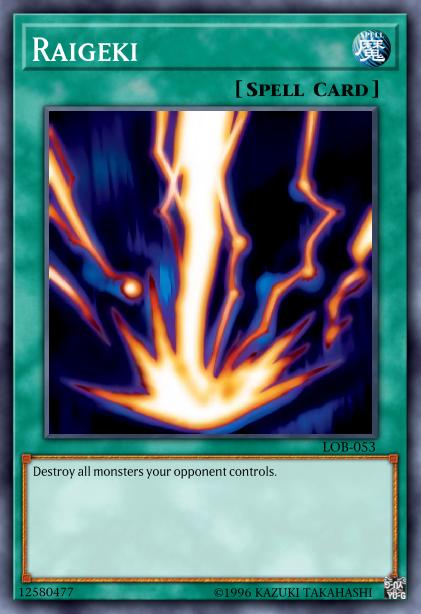
Spells are cards with an effect that can be activated immediately. They can only be activated during your turn, and only during certain phases of the game (see Game Phases and Chaining down bellow in this guide). They can also be Set, which is useful if you have cards that would discard your hand and want to preserve certain spells, or if you want to make your opponent think you've set a Trap (see the section bellow). You activate Spells in the Spell/Trap zone, and they are sent to the GY after the effect resolves.
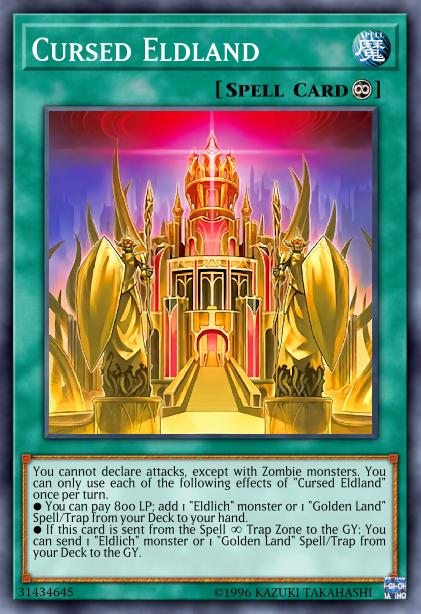
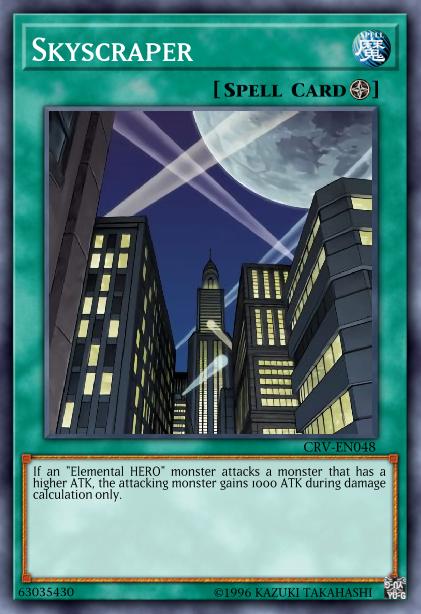
There are currently 6 types of spells in the game, which can be identified by a symbol next to the Type field on the card:
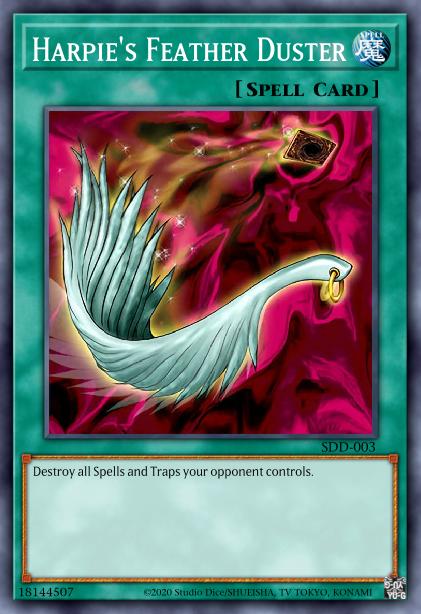
- Normal Spells (no symbol)
- The most basic type of Spells
- Continuous Spells

- They act like Normal Spells, except they remain on the field after activation
- They usually have an effect that persist while on the field or an effect that can be activated by the player
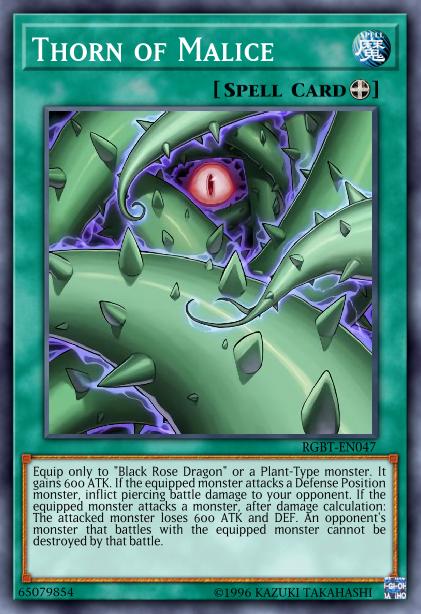
- Equip Spells
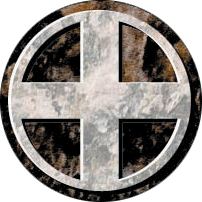
- Those are spells that target a specific face-up Monster on the field
- Even while equipped, they stay on the same Spell/Trap zone where they were activated
- When the equipped Monster is destroyed, so is this Spell
- Quick-Play Spells

- The only type of spell that can be activated during your opponent's turn
- It can also be activated during battles, or is response to other effects
- If you Set a Quick Spell, you cannot activate it that turn
- Field Spells
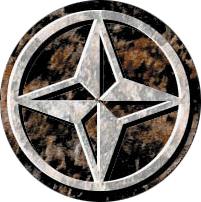
- A special type similar to a Continuous Spell, that must be played specifically on the Field Zone
- There can only be 1 Field Spell active for each player, playing another will destroy the current one
- Ritual Spells
- Used for summoning Ritual Monsters
- See out dedicated guide (coming soon) for more info
 |
 |
 |
| Normal Spell | Continuous Spell | Field Spell |
 |
 |
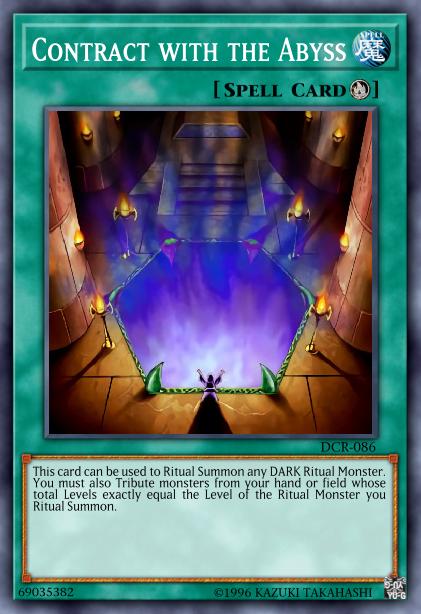 |
| Equip Spell | Quick-Play Spell | Ritual Spell |
Traps
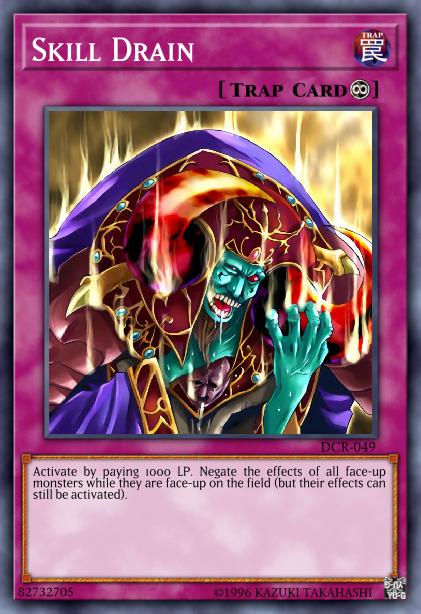
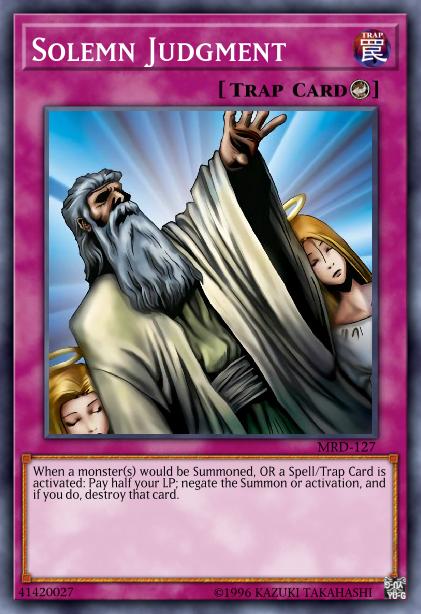
Traps are cards with effects that cannot be activated immediately. Instead, a player must first Set the card, and can't activate it until the current turn is over. Traps can be activated during either player's turn. They can also be chained to Monster Effects, Spells, or other Traps (see the Spell Speed and Chaining section of this guide). You Set Traps in the Spell/Trap zone, and they are sent to the GY after the effect resolves.
There are currently 3 types of Traps, which can be identified by a symbol next to the Type field on the card:
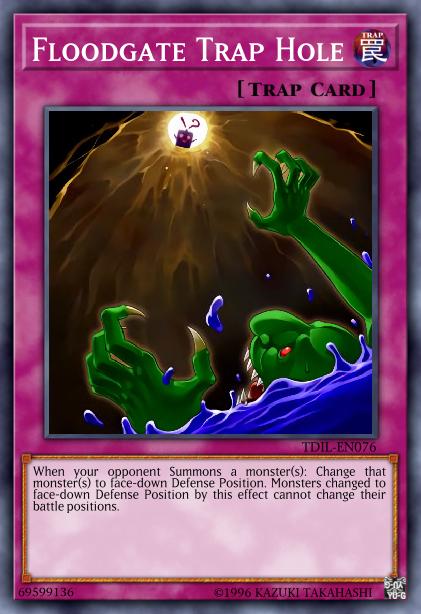
- Normal Traps (no symbol)
- The most basic type of Traps
- Some of them may become equipped to a Monster, in which case they behave like Equip Spells
- Continuous Traps
- They act like Normal Traps, except they remain on the field after activation
- They usually have an effect that persist while on the field or an effect that can be activated by the player
- Counter Traps

- Used in response to the activation of a Monster effect, Spell, or another Trap
- You can only activate a Counter Trap in response to a Counter Trap (see Game Phases and Chaining down bellow in this guide)
 |
 |
 |
| Normal Trap | Continuous Trap | Counter Trap |
You might also hear the term 'Hand Trap' thrown around. Those are actually Effect Monster that can be discarded to activate an effect, usually in response to something your opponent did. They are NOT Traps, and they're only referred to as such by fans, not any in-game rules or cards.
Spell Speed and Chaining
Effects in the Yu-Gi-Oh card game have a certain 'quickness' which dictate when they can be activate in response to other effects. That quickness is knows as Spell Speed (though it also applies to Monster Effects and Traps, not just Spells), and responding to an effect is knowns as building a Chain. We'll talk about the latter first, do we can use some of that terminology for the former.
Chain
When a player activates an effect, it starts a Chain. At this point, initiative is passed to the other player who may activate another card in response, adding to the chain, then passing initiative back. If either player declines to add to the Chain, the other player may do it. The chain is considered complete once both players decide not to add to it.
When a card is added to the Chain, it becomes a Chain Link, with a number attached that is equal to the number of cards in the chain up to that point, including itself. For example, the card that starts the Chain is Chain Link 1, the one that follows is Chain Link 2, and adding to the Chain when there are already 5 cards would make that a Chain Link 6.
To resolve a Chain, effects on the card take place in the opposite order they were added to the Chain, from the most recent to the oldest. No effects can be activated while the Chain resolves. Spell and Traps that were activated during the chain and that aren't Continuous are sent to the Graveyard after the Chain resolves, unless they were sent somewhere else.
The Chain is similar to the Stack in Magic the Gathering.
Not all action taken in the game will create a Chain. Mainly, a Summon will not create a Chain, but cards that are activated in response to a Summon, such as Solemn Judgment, will.
Spell Speed 1
Slowest Spell Speed in the game. When starting a Chain, it can only be a Chain Link 1, with the exceptional case where multiple Spell Speed 1 Effects activate at once. You cannot activate Spell Speed 1 Effects in response to any other Spell Speeds.
Most Monster Effects, as well as most Spells, fall under this category.
Spell Speed 2
Second fastest Spell Speed in the game. Mostly a Chain Link 2 or higher, but they can also start chains on their own. Spell Speed 2 effects can be activated in response to either Spell Speed 1 or 2.
Monster Quick Effects, Quick-Play Spells, and most Traps (including the passive and activated effects of Continuous Traps, like Dark Smog) fall under this category.
Spell Speed 3
Fastest Spell Speed in the game. Can be activated in response to any other Spell Speed, and you can only activate another Spell Speed 3 in response to it.
The only types of cards in this category are Counter Traps.
Game Phases
In the Yu-Gi-Oh card game, each player takes turn playing their card. Each turn in the is made up of Pahses. There's 6 of them, but a player won't necessarily go through all of them each turn. They occur in the following order:
Draw Phase
First Phase of a turn. This is the phase where the player draws their card for the turn. No cards may be played or effects activated before a card is drawn.
Standby Phase
Players aren't required to do anything during this phase of the game unless a card states otherwise. This Phase is where the maintenance cost of cards is typically paid (eg: Messenger of Peace), but some cards have effects that trigger here (eg: Treeborn Frog), while others can only be played during this Phase (eg: Curse of Fiend).
Main Phase 1
This is the Phase where you can perform most of your actions. If you want to activate Spells, Summon Monsters, or Set Traps, this is where you do it. You can also Flip Summon or change the Attack Position of Monsters, assuming you haven't done it already or they weren't Summon/Set this turn. This phase is also where you can change the Battle Position of your Monsters.
Battle Phase
If you want to attack Monsters, this is when you do it. To learn how Battle works, check out our Yu-Gi-Oh's Battle Phases.
This is an optional Phase, but if you want to skip it, you must also skip Main Phase 2.
Main Phase 2
The same as Main Phase 1, except it happens after the Battle Phase. Some monsters can only trigger their effect during this Phase. You cannot get to Main Phase 2 without going trough the Battle Phase.
End Phase
The final phase of each turn. If a player has more cards in hand than the allowed limit (6 by default), they must discard any extra cards. Effects that say 'At the end of your turn' happen after the hand is discarded.
After the End Phase, initiative is passed to the player.
Starting the Game
Now that all that's out of the way, we can actually begin the game.
Each player puts their Main Deck on the right side of the field, and their Extra Deck to the left (if they have any). Toss a coin. The player who calls head decides whether to go first or second.
Both players draw 5 cards from their deck, and the game begins (there's no mulligan in Yu-Gi-Oh). The player who goes first will skip their Draw Phase and Battle Phase (and, implicitly, their Main Phase 2).
About_Author
Just a guy with opinions video games who decided to share it with everyone against their will :P. I specifically like single-player games and card games, though usually not what's most popular at the moment.
More_Yu-Gi-Oh_Guides
How Standard Rotations Work in Hearthstone - Year of the Scarab
Steam Wallet Pending Balance? Here’s Why Your Sale Funds Are Delayed

Leave a Comment